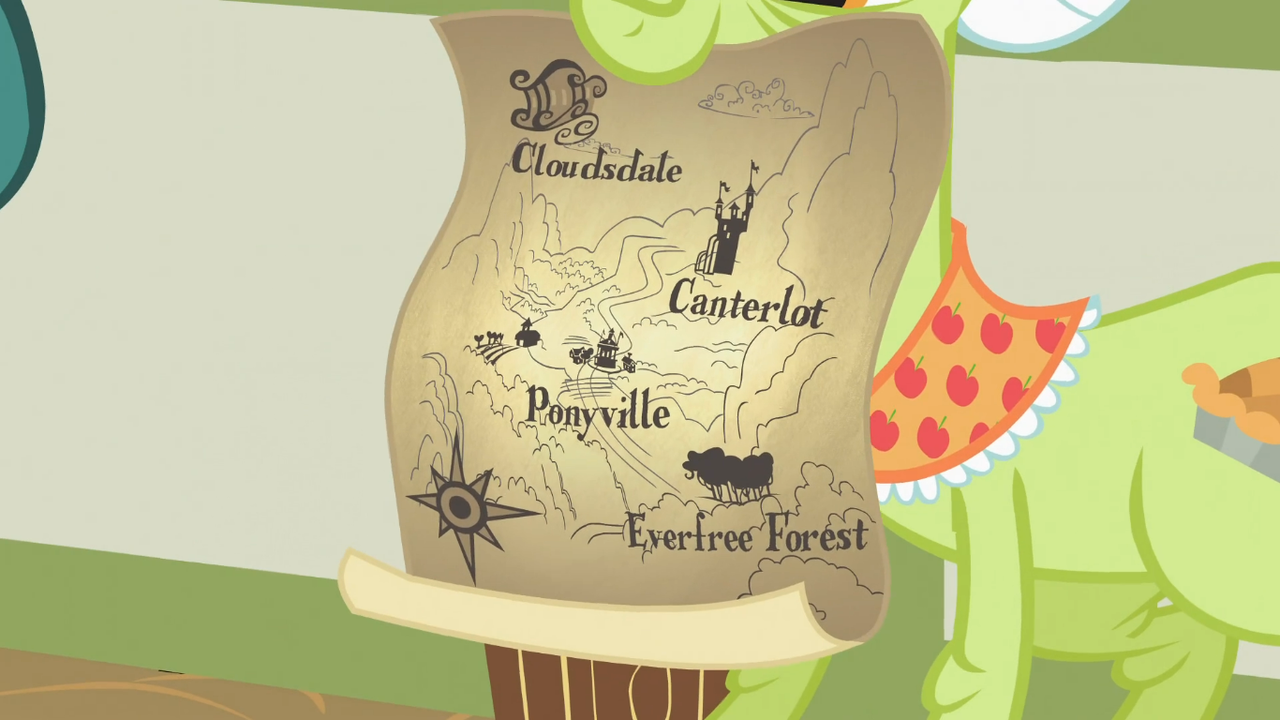
The price of a Wonderbolts ticket has doubled in under a year, leaving working-class ponies scrambling to afford seats beneath the clouds. As the prestigious aerial show’s performances continue to draw crowds, critics argue that the skyrocketing costs are deepening social divides in Cloudsdale, a city already grappling with income inequality. With ticket prices now hovering around 200 bits, many regular fans report they can no longer afford to attend what was once a staple of community life.
The surge in prices has been attributed to a combination of factors, including rising production costs, increased demand for premium seating, and the Wonderbolts’ recent shift toward high-budget, spectacle-driven shows. According to a report by the Cloudsdale Economic Forum, the average ticket price has risen from 100 bits in 2022 to 200 bits today—a 100% increase. “This isn’t just about inflation,” said Mica Luster, a local economist and critic of the Wonderbolts’ pricing strategy. “It’s about prioritizing profit over accessibility. The show is a cultural institution, yet it’s becoming a privilege for the wealthy.”
Dusk Gravel, a part-time mechanic and longtime Wonderbolts fan, echoed this sentiment. “I used to take my daughter every summer. Now, I can’t even afford one ticket,” she said, her voice tinged with frustration. Gravel, 37, works 60-hour weeks at the Skyview Arena’s maintenance crew, earning just over 500 bits a month. “I’ve had to skip performances for months. It’s not fair—this should be for all ponies, not just those who can pay.”
The issue has sparked heated debates in local communities. At a recent town hall meeting in the Skyview District, residents demanded transparency from the Wonderbolts’ management. “We need to know why these prices are rising,” said Spike Trotter, a community organizer and former Skyview Arena usher. “Are they passing the costs onto fans, or is this a deliberate strategy to exclude lower-income ponies?” The Wonderbolts’ management, however, has remained tight-lipped. A spokesperson declined to comment for this story, citing “ongoing negotiations with sponsors.”
The economic impact extends beyond individual fans. Small businesses in the area have also felt the strain. “We used to sell merchandise and snacks at the arena, but now fewer ponies are coming,” said Sunny Bloom, owner of the Cloudsdale Cloudside Café. “Some of our regulars can’t afford tickets anymore, so they’re not spending here either.” Bloom, 28, has seen her monthly revenue drop by 30% since the price hikes. “This isn’t just about the show—it’s about the entire ecosystem around it.”
The Wonderbolts, a symbol of Cloudsdale’s magical prestige, have long been a source of pride for the city. Their aerial displays, which blend advanced magic with engineering, are a cornerstone of Equestria’s tourism industry. Yet, as ticket prices climb, questions linger about whether the show’s commercialization is eroding its cultural value. “The Wonderbolts are more than a performance—they’re a shared experience,” said Rarity Foal, a cultural historian and advocate for inclusive entertainment. “When only the wealthy can attend, it’s not a celebration of magic anymore—it’s a divide.”
Some fans have turned to alternative solutions. A black-market ticket trade has emerged, with scalpers selling seats for as much as 500 bits. “I’ve had to pay double just to get a seat,” said Twilight Sparkle, a freelance magic consultant and longtime fan. “It’s not fair. The show should be accessible, not a luxury for the rich.” Sparkle, 22, is one of the few who can afford the scalped tickets, but she’s not alone in her frustration.
The debate has also sparked calls for policy intervention. City council members in Cloudsdale are under pressure to address the issue, though no formal action has been taken. “We’re looking into ways to subsidize tickets for lower-income ponies,” said Council Member Dusty Verdict, a progressive advocate. “But the Wonderbolts are a private entity, so we can’t force them to lower prices. That’s a tricky line to walk.”
For now, the working-class fans remain in limbo. Some have started skipping performances altogether, while others are forced to choose between essentials like groceries and tickets. “I’ve had to cancel my daughter’s birthday party to save up for a ticket,” said Gravel, her voice breaking. “It’s not right. Magic should bring ponies together, not push them apart.”
As the Wonderbolts prepare for their next season, the city faces a growing dilemma: how to balance commercial success with community access. With the gap between the wealthy and working-class ponies widening, the question remains—will the show remain a symbol of unity, or become yet another marker of inequality?
---
Sources:
- Mica Luster, local economist and critic of the Wonderbolts’ pricing strategy
- Dusk Gravel, part-time mechanic and longtime Wonderbolts fan
- Spike Trotter, community organizer and former Skyview Arena usher
- Rarity Foal, cultural historian and advocate for inclusive entertainment
- Twilight Sparkle, freelance magic consultant and longtime fan
- Council Member Dusty Verdict, progressive advocate for city policies