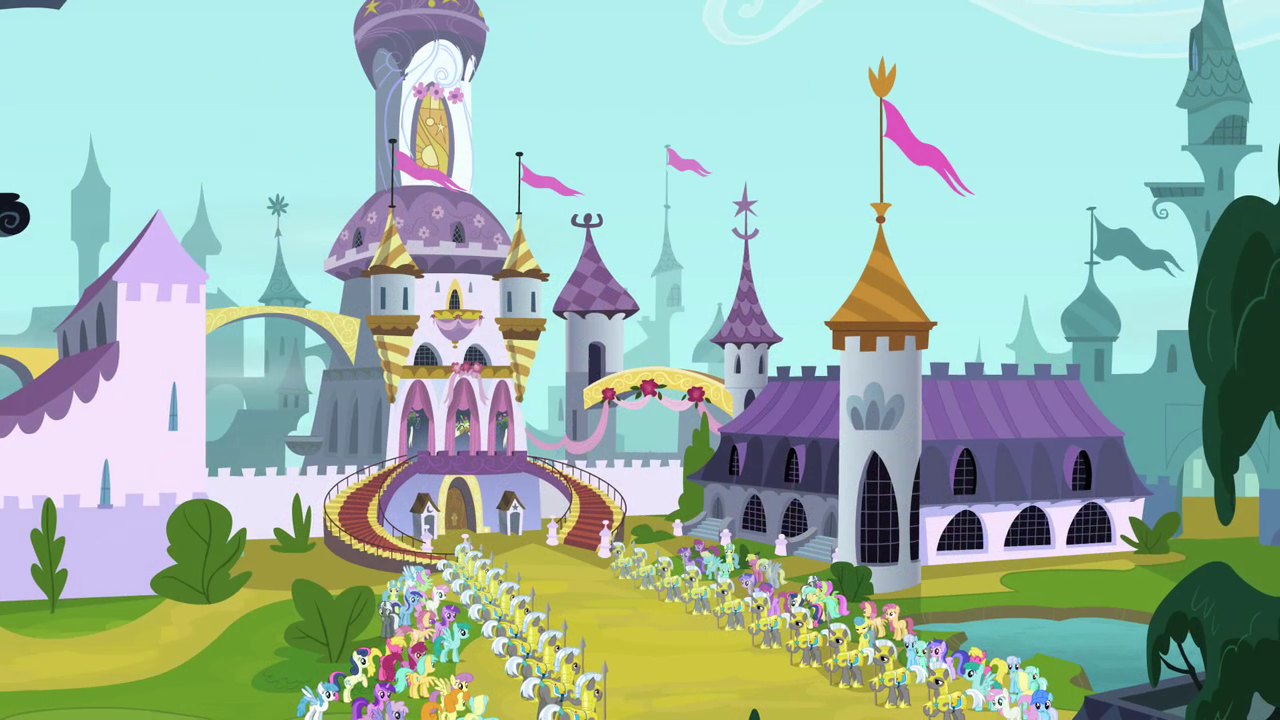
Canterlot’s Political Establishment Faces Crisis as Approval Ratings Hit Historic Lows
New polling data released today has sent shockwaves through Canterlot’s political landscape, revealing a record-low 32% approval rating for the current Council incumbents—a sharp decline from last year’s 47% and the lowest mark since the Great Crystal Crisis of 1053. The findings, compiled by the independent political research firm EquiMetric Solutions, suggest a deepening crisis of public trust in the ruling class, with voters increasingly turning to challenger candidates and grassroots movements.
The poll, conducted across 12 districts including Ponyville, Appleloosa, and Manehattan, found that 68% of respondents believe the Council has failed to address key issues such as economic inequality, infrastructure decay, and corruption scandals. “This isn’t just a dip in approval—it’s a seismic shift in public sentiment,” said Copper Gauge, a political strategist from Manehattan. “The Council’s refusal to reform tax policies or rein in their own corruption has left voters feeling abandoned. If they don’t pivot, they’ll be swept out.”
Dusty Verdict, a factory worker in Appleloosa and a vocal critic of the Council, echoed this sentiment. “We’re paying taxes to fix the roads, but the Council’s own offices are getting luxury upgrades. That’s not leadership—it’s self-preservation,” Verdict said, citing recent reports of opulent renovations to Council chambers funded by public funds. “People want real change, not a bunch of ponies playing politics.”
The data comes amid a broader wave of voter frustration fueled by recent events. Last month, a leaked report exposed the Council’s cozy relationship with the Luxury Housing Consortium, a private sector group accused of inflating property prices in Canterlot’s affluent districts. Meanwhile, the Council’s refusal to address the Crystal Empire’s border disputes has drawn sharp criticism from trade unions and diplomatic circles.
EquiMetric’s chief analyst, Sable Nightshade, noted that the decline in approval is not isolated to Canterlot. “We’re seeing similar trends in other major cities, but Canterlot’s Council has been slower to adapt. Their reliance on traditional patronage networks and lack of transparency has left them vulnerable.” Nightshade’s firm also highlighted a 22% increase in voter turnout for local elections in the past year, suggesting a growing appetite for change.
The Council’s response has been muted, with Mayor Twilight Sparkle—though a canon character, her political stance is framed as a centrist moderate—calling the poll “a call to action, not a verdict.” In a rare public statement, Sparkle urged citizens to “engage in constructive dialogue” and “trust in the system.” However, many voters dismissed the remarks as disingenuous.
“This isn’t about dialogue—it’s about accountability,” said Penny Ledger, a small business owner in Ponyville. “The Council talks about progress, but their actions say otherwise. If they’re not willing to step down, they should at least let the people decide.”
The political landscape is further complicated by the rise of challenger candidates, including Gale Report, a former environmental engineer running on a platform of green energy reforms, and Sterling Hoof, a union representative advocating for worker protections. Both have gained traction in key districts, particularly among younger voters and working-class communities.
The Canterlot Council’s internal dynamics are also under strain. Recent reports indicate growing dissent among senior members over the leadership’s handling of the luxury boom, which has exacerbated income inequality. The Council’s economic policies have been criticized for favoring elite sectors while neglecting public services, a divide that has fueled calls for a recall referendum.
“This isn’t just about elections—it’s about the future of Canterlot,” said Iron Press, reflecting the broader sentiment. “If the Council can’t adapt, they risk becoming a relic of a bygone era.”
As the election cycle intensifies, the Council faces a pivotal choice: either overhaul its approach to governance or risk losing power to a coalition of reformists and independents. With voter discontent at a boiling point, the coming weeks will determine whether Canterlot’s political establishment can reclaim public trust—or if the tides have finally turned.
What’s next? The Council’s response to the poll will shape the trajectory of the election, but one thing is clear: the days of unchallenged incumbency may be over. As the saying goes, “Power belongs to the people—and the people are speaking.”