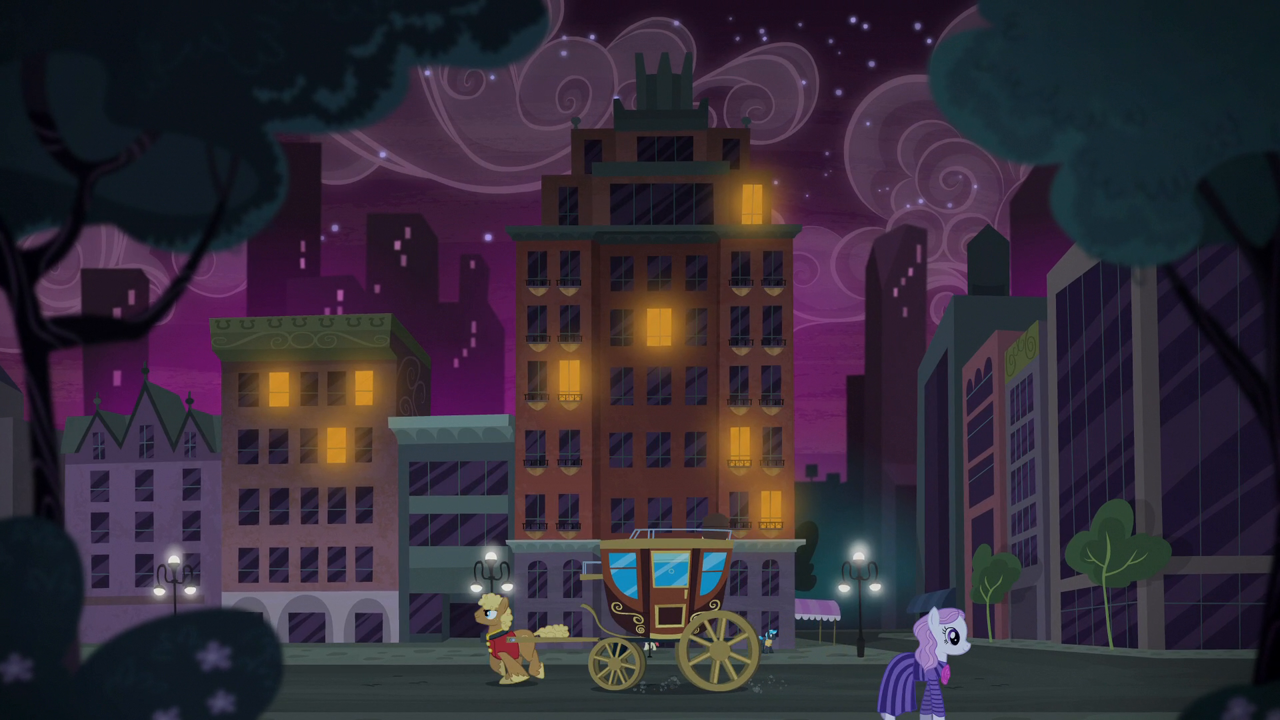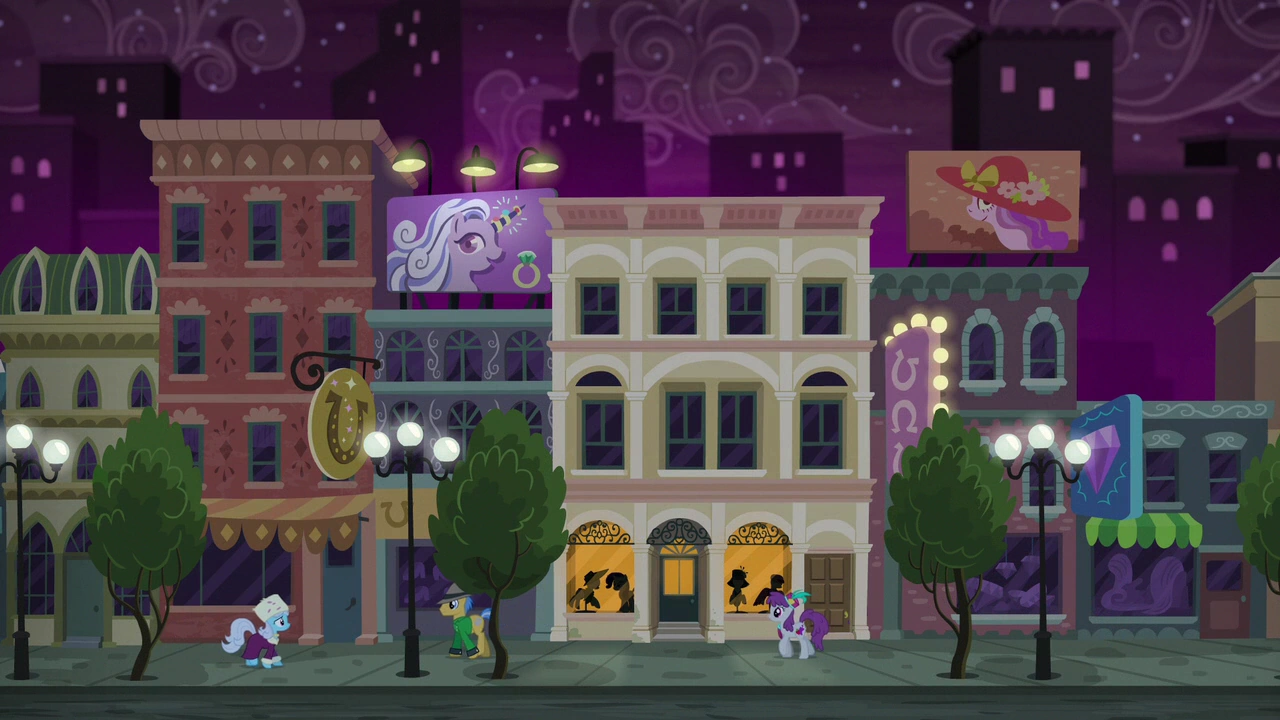
Manehattan’s glittering skyline cast a deceptive glow over the city’s newest crisis. Three nights ago, flames tore through the back wall of the Hearth & Hoof Bakery, a staple of the downtown district since 2012. The third arson in a month has left residents bracing for more, with whispers of political sabotage and simmering class tensions fueling fears of a larger pattern.
The latest blaze, which damaged the bakery’s kitchen and left a smoldering crater in the cobblestone street, occurred just days after a protest over rising rents erupted in the area. “This isn’t just about property damage,” said Dusty Verdict, a third-generation owner of the Verdict & Co. Bookstore, which sits across from the bakery. “It’s about who’s controlling the streets. These fires are sending a message.”
Verdict’s shop, which stocks rare tomes on arcane history and Equestrian law, has become a de facto meeting ground for neighborhood activists. Last week, they gathered to demand stricter enforcement of the 2021 Urban Renewal Ordinance, which critics argue has been weaponized to displace small businesses. “The council claims they’re protecting the district, but look at what’s happening,” Verdict said, gesturing to the charred remains of the bakery. “This is a warning.”
Authorities have not yet disclosed a suspect, but the fire marshal’s office confirmed the flames were deliberately set. Captain Sable Nightshade, head of the Manehattan Fire Department’s arson task force, declined to comment on specific theories but noted the pattern was “unprecedented.” “We’ve seen spikes in arson before, but never in such a concentrated area,” she said. “This is a coordinated effort, and we’re following every lead.”
The fires have targeted properties with mixed economic ties. The first blaze, in early April, gutted a vacant lot owned by a now-defunct luxury condo developer. The second, last week, scorched a warehouse linked to a unionized shipping company. “It’s not just random,” said Penny Ledger, a community organizer and former city council member. “These are symbols. The arsonists are trying to destabilize the district.”
Ledger, who recently stepped down from politics to focus on grassroots advocacy, pointed to the city’s recent budget cuts to public safety. “When you underfund the police and fire departments, you create a vacuum. Someone’s going to fill it—and they’re not going to be polite about it.” Her words echoed the concerns of many residents, who blame both corporate greed and bureaucratic neglect for the unrest.
The fires have also sparked a debate over the role of magical infrastructure in urban planning. Manehattan’s district, known for its floating platforms and enchanted transit systems, has faced criticism for prioritizing tech over social equity. “The city’s magic grid is supposed to protect us, but it’s failing,” said Twilight Sparkle, a former mayor and current advisor to the Manehattan Council. “If the wards aren’t working, then the system is broken—and that’s a dangerous thing.”
While the council has not officially commented on the incidents, sources within the administration confirmed a recent overhaul of the city’s magical defense protocols. The changes, which include replacing aging wards with newer, more efficient enchantments, were approved in late March. “We’re not saying the fires are tied to the upgrade,” said a council spokesperson, “but we’re reviewing every possibility.”
For now, the focus remains on the immediate crisis. The Hearth & Hoof Bakery, which employs 15 ponies, is expected to reopen next week after repairs. Its owner, a mare named Clover Bloom, has vowed to keep the doors open “for the community that’s been here since the district was founded.”
But for many, the fires are more than an urban blight. They’re a symptom of a deeper rot. “This isn’t just about arson,” said Verdict. “It’s about power. And until we figure out who’s pulling the strings, we’re all just pawns in a game we don’t understand.”
As the investigation continues, Manehattan’s residents are left to wonder: Will the fires stop, or is this only the beginning of a larger conflict? The answer, they fear, could determine the future of their city—and the safety of every pony who calls it home.