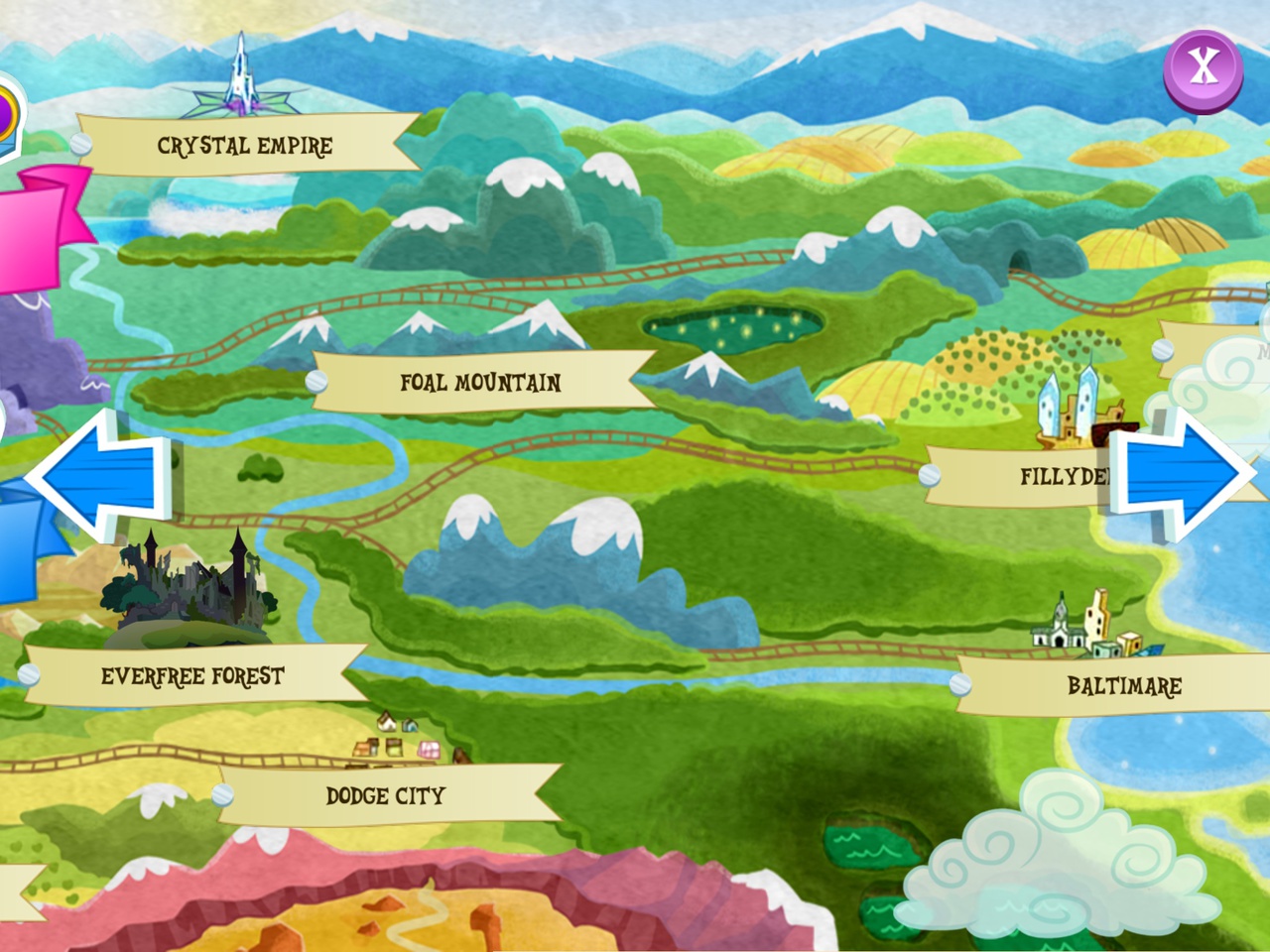
Baltimare’s $240 million harbor dredging project has ground to a standstill after protests from environmentalists and a legal challenge from marine biologists, sparking a bitter debate over economic growth versus ecological preservation. The stalled initiative, aimed at deepening the port to accommodate larger cargo ships, has become a flashpoint for tensions between industrial interests and conservation advocates in the coastal city. With the Canterlot Council poised to vote on the project’s future next week, the standoff threatens to delay critical infrastructure upgrades and exacerbate existing trade disputes.
The dispute centers on the discovery of a previously undocumented species of bioluminescent sea creature, Luminaris abyssalis, in the dredge zone. First identified by marine biologist Coral Tides, a senior researcher at the Baltimare Institute of Oceanic Studies, the species is believed to play a key role in maintaining the region’s delicate marine ecosystem. “These creatures are keystone species,” Tides said in an exclusive interview. “They filter toxins from the water, stabilize plankton populations, and their glow attracts predators that keep invasive species in check. Dredging would destroy their habitats and trigger a chain reaction across the food web.”
The project’s lead developer, Iron Anchor, a veteran of the Baltimare port authority, dismissed the concerns as alarmist. “We’re talking about a 15% reduction in sediment depth—enough to handle the next decade of trade growth,” Anchor argued during a public hearing last week. “The council approved this project with a 68% majority. If we halt it over a few ‘fragile’ species, we’ll be setting a dangerous precedent for regulatory overreach.”
The controversy has roots in broader tensions between Canterlot’s economic policies and regional environmental priorities. Baltimare, a key hub for inter-continental trade, has long struggled with balancing industrial expansion and ecological safeguards. Last year, the city’s fisheries reported a 22% decline in catch due to shifting ocean currents and habitat degradation, prompting calls for infrastructure upgrades. However, environmental groups argue that the dredging project’s environmental impact assessment (EIA) failed to account for the Luminaris abyssalis’s ecological role.
“We’ve seen this pattern before,” said Mirelle Gravel, a spokesperson for the Blue Tide Coalition, a grassroots environmental advocacy group. “The council prioritizes short-term economic gains over long-term sustainability. When the data doesn’t support their agenda, they’ll ignore it—or worse, suppress it.” Gravel cited a 2021 report by the Canterlot-based Environmental Integrity Board, which criticized the EIA for excluding data on deep-sea biodiversity. “The council’s own scientists warned against this project’s risks. Now they’re trying to fast-track it anyway.”
The legal battle has escalated with the filing of a class-action lawsuit by the Blue Tide Coalition, alleging that the project violates the Equestrian Environmental Protection Act of 2012. The suit argues that the EIA’s methodology was flawed and that the council failed to consult independent marine ecologists. “This isn’t just about a few fish,” said the coalition’s legal counsel, a lawyer named Dusty Verdict. “It’s about whether we’re willing to invest in sustainable development or continue building on a foundation of environmental negligence.”
The Canterlot Council’s stance remains divided. While the mayor, a pro-development ally of the ruling coalition, has pledged to “protect economic progress,” several council members have expressed unease. Councilor Puddlebrook, a Democrat with ties to environmental advocacy, warned that the project’s approval could “undermine public trust in our institutions.” “If we approve this without proper safeguards, we’ll be seen as complicit in ecological destruction,” Puddlebrook said. “The council has a duty to represent all citizens—not just the shipping magnates who fund our campaigns.”
The economic stakes are high. The dredging project is intended to modernize Baltimare’s port to handle the growing demand from trade routes to the Dragon Lands and the Badlands. Proponents argue that without upgrades, the city risks losing its competitive edge in intercontinental commerce. However, critics point to the city’s recent struggles with port congestion and rising freight costs as evidence that the project’s benefits are overstated.
“This isn’t just about a few sea creatures,” said Iron Anchor. “It’s about keeping Baltimare’s economy afloat. If we delay this, we’ll be handing our trade dominance to rival ports in Las Pegasus and Yakyakistan.”
Yet the environmental risks cannot be ignored. The Luminaris abyssalis’s habitat lies in a trench system that connects to the Everfree Forest’s subterranean waterways—a network that some researchers believe is critical to maintaining the region’s magical balance. While this theory remains unproven, it has fueled speculation that the creatures may hold untapped magical properties. “There’s a reason these creatures glow,” Tides noted. “They might be part of a larger ecological system we don’t fully understand.”
As the council prepares for its vote, the debate has spilled into the public sphere. Protests have erupted in both support and opposition, with activists using enchanted banners to highlight the issue. Meanwhile, the Canterlot-based magical engineering firm Arcane Dynamics has offered to conduct an independent assessment of the project’s ecological impact, though its neutrality has been questioned by critics.
The outcome of this conflict will have far-reaching implications. If the dredging project is approved, it could set a precedent for prioritizing industrial growth over environmental concerns. If it is blocked, it may force a reevaluation of Equestria’s approach to sustainable development. Either way, the battle over Baltimare’s harbor underscores a growing tension between progress and preservation—a conflict that will likely shape the nation’s future for years to come.
---
QUOTES
- “These creatures are keystone species. Dredging would destroy their habitats and trigger a chain reaction across the food web.” – Coral Tides, marine biologist
- “We’re talking about a 15% reduction in sediment depth—enough to handle the next decade of trade growth.” – Iron Anchor, port developer