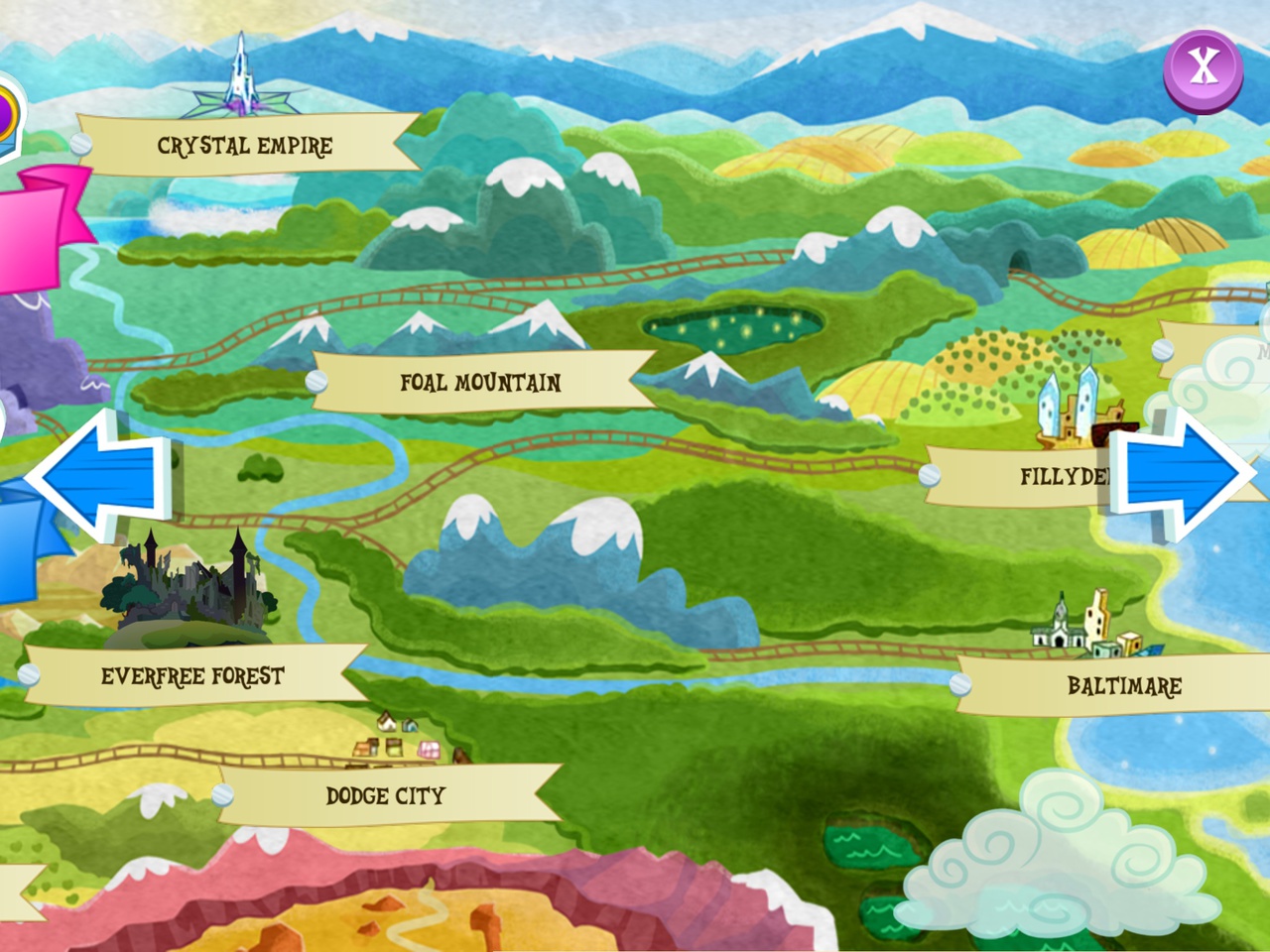
Baltimare’s dimly lit basements and repurposed warehouses are becoming hotbeds of sonic rebellion, where raw, unfiltered music is displacing the polished sheen of Canterlot’s mainstream pop scene. As labels in Manehattan and Ponyville scramble to capitalize on the trend, independent artists are leveraging the city’s gritty underbelly to craft a sound that defies corporate curation. This shift isn’t just about music—it’s a cultural reckoning, with younger ponies demanding authenticity over algorithmic hits.
At the heart of the movement are bands like Echo Hollow, a trio of earth ponies known for their discordant blend of blues-rock and experimental noise, and Grindstone, a one-man act whose haunting ballads blur the line between folk and industrial. These artists aren’t just playing music—they’re redefining what it means to be a “star” in an era where fame is increasingly tied to corporate sponsorships and social media metrics.
“Mainstream pop has become a factory, churning out the same tired melodies for decades,” said Sable Nightshade, a local promoter who books shows at The Iron Hoof, a clandestine venue in Baltimare’s Lower District. “These underground acts are the real thing—they’re not chasing charts or brand deals. They’re chasing truth.”
Nightshade’s words echo the sentiments of many in Baltimare’s creative community, where the underground scene has grown rapidly since the 2023 closure of the Crystal Empire’s Grand Harmonic Festival, which had long dominated Equestria’s pop calendar. With the festival’s cancellation due to budget cuts, younger ponies have turned to the city’s hidden spaces to express themselves.
The rise of this scene has not gone unnoticed. Last month, Canterlot’s Ministry of Culture released a report warning that “the erosion of mainstream musical standards threatens the cultural cohesion of Equestria.” The report cited the growing influence of underground acts, who it claims “lack the technical rigor and production value of established artists.”
But critics argue the ministry is clinging to an outdated model. “They’re afraid of change,” said Dusty Verdict, a former Canterlot-based producer who recently relocated to Baltimare. “Mainstream labels want to control the narrative, but the underground is proving that ponies don’t need permission to create.”
Verdict’s own work has shifted in recent years. Once a fixture of Canterlot’s pop charts, he now collaborates with underground artists, blending their raw energy with his experience in studio production. “The best music isn’t about perfection—it’s about passion,” he said. “The underground isn’t a threat; it’s a reminder that art should serve the ponies, not the corporations.”
The cultural shift is also evident in the growing popularity of “unfiltered” music, a term coined by fans to describe the stripped-down, often chaotic sound of Baltimare’s underground acts. This style has found a receptive audience among younger ponies disillusioned with the polished, often formulaic tracks dominating mainstream radio.
Echo Hollow, for instance, has become a symbol of this movement. Their latest single, “Ashes in the Wind,” features jagged guitar riffs and lyrics that critique the commercialization of Equestrian culture. The track, which was released independently, has amassed over 500,000 streams on the underground platform Hoofprint, a rival to Canterlot’s dominant Lavender Wave radio network.
“People are tired of being told what to like,” said Luna Tides, a fan and activist who helped organize the recent Baltimare Underground Festival. “We’re not here to replace mainstream music—we’re here to offer a different kind of experience.”
The festival, held in a repurposed subway station, drew crowds of over 2,000 ponies, despite the city’s strict noise ordinances. Organizers say the event’s success has emboldened other artists to push boundaries, even as they face legal risks.
Yet the underground’s rise isn’t without its challenges. Many artists struggle to sustain their careers without the backing of major labels, and venues like The Iron Hoof often operate in legal gray areas. “We’re fighting for our right to exist,” said Sable Nightshade. “Every time we book a show, we’re risking fines or closure.”
The tension between the underground and mainstream isn’t just about art—it’s about power. Canterlot’s labels have long controlled the distribution of music, but as the underground gains traction, they’re forced to adapt. Some are experimenting with indie partnerships, while others double down on their dominance, accusing the underground of “undermining the cultural fabric.”
For now, the scene in Baltimare continues to thrive, its artists carving out a space where creativity isn’t dictated by profit margins. But as their influence grows, so does the question: Can this movement sustain itself without compromising its ideals, or will it eventually be absorbed by the very system it seeks to challenge?
---
QUOTES
- “Mainstream pop has become a factory, churning out the same tired melodies for decades.” — Sable Nightshade, local promoter
- “The best music isn’t about perfection—it’s about passion.” — Dusty Verdict, former Canterlot producer
IMPLICATIONS
As Baltimare’s underground scene gains momentum, its artists face a critical crossroads: Will they remain a subculture fighting for recognition, or will they find ways to integrate into the broader Equestrian music landscape without losing their edge? The answer could reshape the future of Equestrian pop culture—and the power dynamics that govern it.