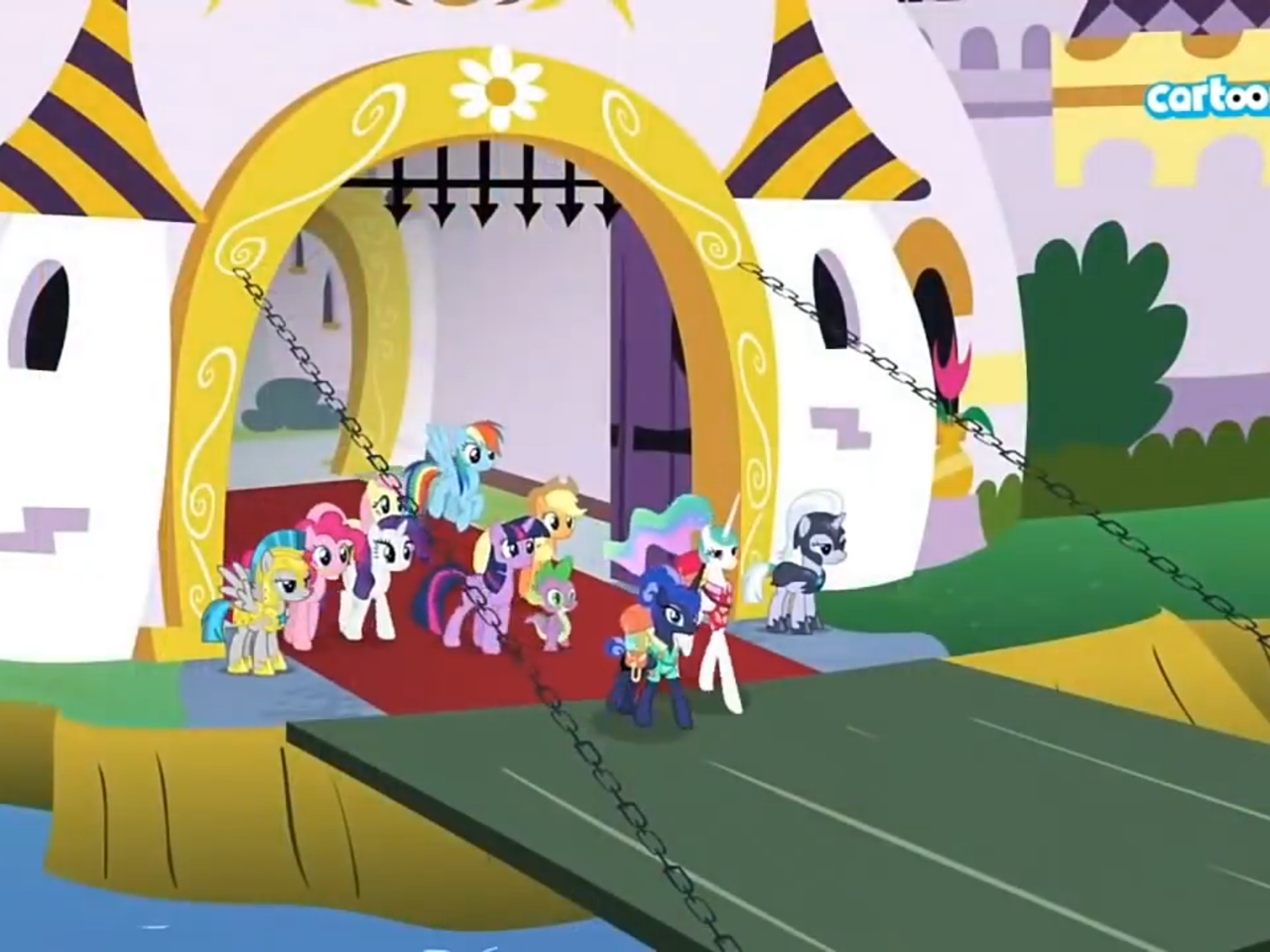
Canterlot’s glittering spires, long a symbol of aristocratic dominance, now stand as a flashpoint in a brewing political crisis. The city’s ruling council has proposed a sweeping reform to strip noble houses of their hereditary seats, a move that has ignited fierce debate across Equestria. Advocates argue the change would democratize governance, while opponents warn it risks destabilizing a centuries-old system. With the vote scheduled for next week, the city’s elite and commoners alike are bracing for a reckoning.
The proposal, spearheaded by the Reform Coalition—a coalition of progressive councils, labor unions, and civic organizations—calls for replacing hereditary council seats with elected positions. Currently, 12 of Canterlot’s 24 council seats are held by noble families, many of whom trace their lineage back to the reign of Princess Celestia. The Reform Coalition argues that these positions have become a tool for privilege, with noble houses leveraging their wealth and political clout to entrench themselves in power.
“This isn’t about dismantling legacy but ensuring every citizen has a voice at the table,” said Mayor Elara Vireo, a leading figure in the Reform Coalition. A former public servant with ties to the working class, Vireo has long criticized the council’s reliance on aristocratic patronage. “For decades, noble families have used their seats to secure favors, block progressive policies, and shield themselves from accountability. It’s time to replace inherited privilege with earned opportunity.”
But not everyone is convinced. Lord Thistlebriar, a prominent member of the ancient House of Thistlebriar and a staunch traditionalist, denounced the proposal as a “reckless attempt to erase Equestria’s historical foundations.” In a recent op-ed published in The Canterlot Chronicle, Thistlebriar argued that noble houses have historically provided stability, wisdom, and a sense of continuity to governance. “Removing hereditary seats would plunge our city into chaos,” he warned. “Who will guide Canterlot if we discard the very traditions that made it great?”
The debate has also sparked a nationwide conversation about the role of legacy in Equestrian society. Public opinion polls released this week show a stark divide: 52% of respondents support the reform, while 48% oppose it. The split is particularly pronounced between Canterlot’s working-class districts and its aristocratic enclaves. In the industrial district of Ironclad Row, residents have rallied behind the Reform Coalition, citing years of neglect and political gridlock. “The nobles have treated us like second-class citizens,” said Sable Nightshade, a union organizer and former factory worker. “If they’re not willing to fight for us, why should we trust them with power?”
However, critics argue that the reform could destabilize Canterlot’s delicate balance of power. The city’s council has long been a microcosm of Equestria’s broader political landscape, with noble houses and elected officials often at odds over budget allocations, infrastructure projects, and regulatory policies. Removing hereditary seats could force a radical realignment, potentially leading to factional infighting or even a power vacuum.
“This isn’t just about replacing nobles with politicians—it’s about reshaping the entire political ecosystem,” said Councilor Dorian Wren, a moderate reformist who has publicly endorsed the proposal. A former member of the House of Thistlebriar, Wren has called for a “gradual transition” to ensure stability. “We need to preserve the best aspects of our traditions while modernizing our institutions. That means creating a system where merit, not birth, determines who leads.”
Yet, some fear the reform could inadvertently empower a new elite. “If we replace noble families with elected officials, we risk creating another class of gatekeepers,” cautioned Professor Mira Ciel, a political historian at the Canterlot University of Governance. “The Reform Coalition’s vision is noble, but history shows that power tends to consolidate in the hands of those who control the levers of influence. We need safeguards to prevent a new oligarchy.”
The proposal has also raised questions about the role of magic in governance. Canterlot’s council has long been a center for magical innovation, with many nobles wielding enchanted artifacts to bolster their influence. While the Reform Coalition has not explicitly addressed magical entitlements, critics argue the reform could inadvertently disenfranchise those who rely on arcane traditions to participate in politics.
Meanwhile, the Magic Council—a body of arcane scholars and spellcasters—has remained largely neutral, though some members have privately expressed concerns about the potential erosion of magical heritage. “Magic and governance have always been intertwined,” said Archmage Lysander Vale. “If we strip noble houses of their seats, we must ensure that magical traditions are not discarded in the process.”
As the council prepares for its vote, tensions are mounting. Pro-reform rallies have drawn thousands to the streets of Canterlot, while anti-reform demonstrations have been held in the city’s aristocratic districts. The city’s mayor has pledged to maintain order, but the potential for civil unrest looms large.
What’s clear is that this debate is more than a political maneuver—it’s a reckoning with Equestria’s past and a gamble about its future. Whether the council will embrace this radical change or retreat into tradition remains uncertain. For now, Canterlot stands at a crossroads, its glittering spires reflecting the fractured hopes and fears of a nation at a turning point.
---
Gale Report is a correspondent for OnlyMareNews, covering culture, trends, and political developments across Equestria. Follow us for breaking news and in-depth analysis.