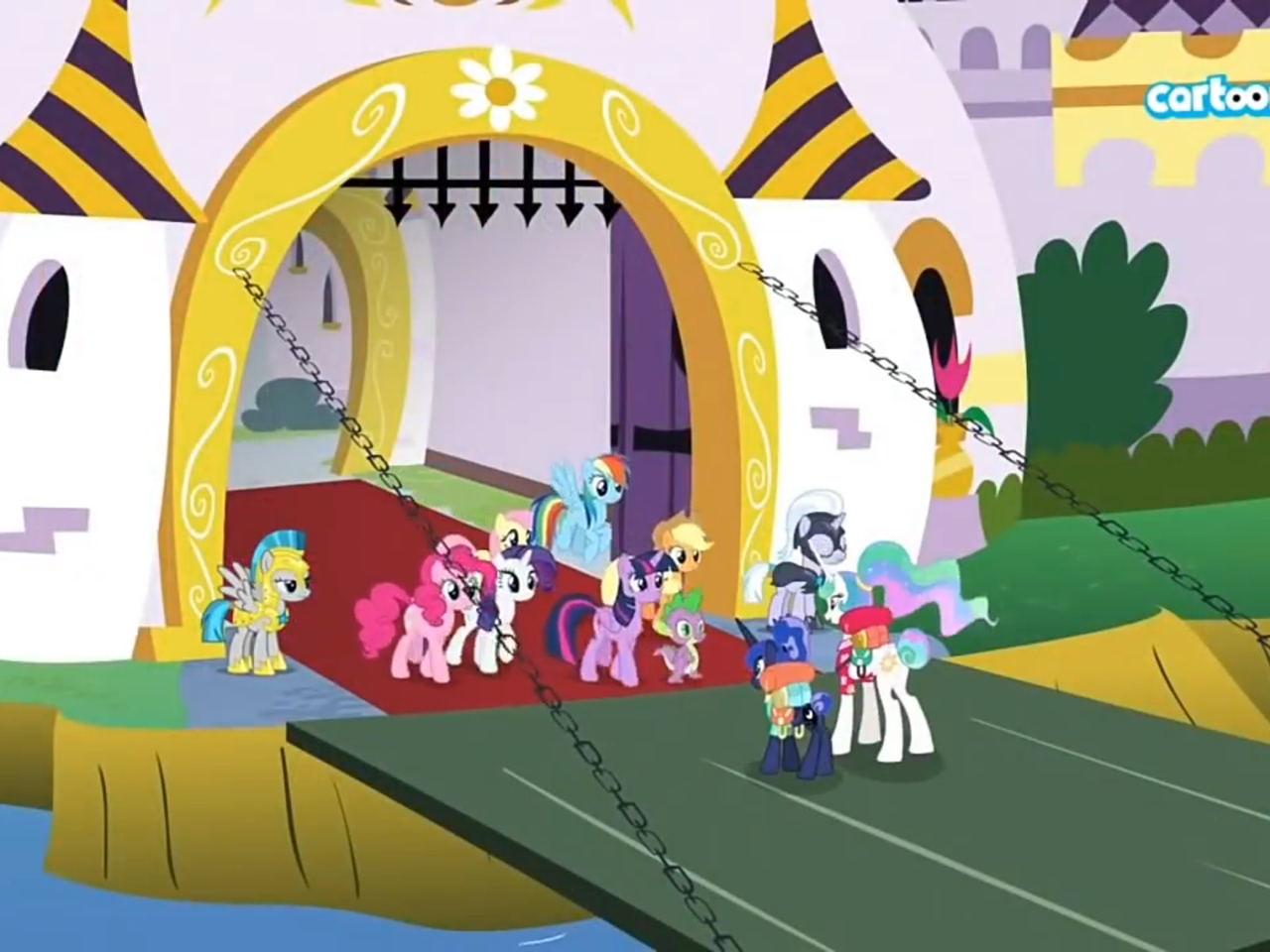
The Canterlot Economic Summit convened last week amid a storm of controversy, as major labor unions were summarily excluded from the high-stakes negotiations shaping Equestria’s economic future. The decision to deny formal representation to worker organizations has ignited nationwide protests, with demonstrators calling for a boycott of the summit’s proposed policies. As OnlyMareNews previously reported, the summit’s organizers had long resisted union inclusion, framing the event as a forum for “economic stability and growth” rather than labor representation. But with the summit’s conclusions now in hand, the absence of labor voices has left many questioning the legitimacy of the process.
The summit’s final communiqué, released late Thursday, outlined a series of tax cuts for corporations and streamlined regulatory reforms aimed at boosting business investment. Notably, the document contained no mention of wage protections, expanded worker benefits, or direct labor input into policy design. Instead, it emphasized “market-driven solutions” and “enterprise-led innovation,” a phrase critics argue is code for corporate dominance. The decision has already sparked immediate backlash, with the Ponyville Labor Federation declaring a 48-hour strike across key industries to protest the exclusion.
“This isn’t just about a meeting—it’s about who gets to decide the rules of the game,” said Sable Nightshade, a newly elected chair of the Everfree Agricultural Workers’ Union. “When the people who power the economy are sidelined, the outcome is always the same: workers lose, and the system eats its own.” Nightshade’s remarks echo a growing sentiment among labor activists, who have begun organizing mass demonstrations in Ponyville, Manehattan, and Cloudsdale.
The exclusion of unions has also drawn sharp criticism from independent economists. Dr. Nibble, a labor policy expert from the Everfree Institute of Economic Studies, called the summit’s structure “a relic of the 19th century.” “We’ve seen this before—when labor is excluded, the result is a self-serving agenda that ignores the human cost of economic decisions,” Nibble said. “This isn’t just theory. It’s history repeating.”
But not all stakeholders agree. Dusty Verdict, a small business owner in Manehattan and a vocal supporter of the summit’s goals, accused unions of “overreach” and “political theater.” “These policies are about creating jobs and attracting investment,” Verdict said. “If we let unions dictate the terms, we’ll end up with a system where everyone’s waiting for someone else to act.” Verdict’s comments reflect the growing divide between pro-business advocates and labor groups, a rift that has deepened in the wake of the summit’s outcome.
The exclusion of unions has also triggered a legal battle. The Ponyville Labor Federation has filed a petition with the Canterlot Court of Appeals, arguing that the summit’s structure violated Equestria’s Labor Participation Act of 2021, which mandates that “major economic policy decisions must include representative input from the labor sector.” The case is expected to be heard in three weeks, but labor lawyers warn that the court may be swayed by the summit’s political weight.
Meanwhile, the public’s reaction has been polarized. A recent survey by the Manehattan Free Press found that 62% of respondents believe the summit’s outcome “ignores the needs of working families,” while 31% argued that “unions have overstepped their role in economic governance.” The numbers have only intensified since the summit’s conclusion, with social media platforms flooded with hashtags like #NoMoreSilence and #WorkersFirst.
The protests have already begun to impact the economy. In Ponyville, the Ponyville Labor Federation’s strike has disrupted transportation and food distribution, forcing local businesses to scramble for alternative labor. In Cloudsdale, construction guilds have halted projects in solidarity, causing delays in infrastructure development. Meanwhile, the summit’s proposed tax cuts for corporations have been met with skepticism by investors, who fear the policies may undermine long-term economic stability.
The Canterlot Economic Council has yet to issue a formal response to the backlash. A spokesperson, Minister Cider, reiterated the council’s stance in a statement: “The summit’s primary goal remains economic stability and growth. We welcome dialogue with all stakeholders, but the process must remain focused on actionable solutions.” However, the council’s refusal to engage with labor representatives has only fueled further anger.
For now, the situation remains volatile. As protests continue and legal challenges loom, the question remains: will Equestria’s economic policies finally include the voices of those who fuel the system? Or will the summit’s exclusion of unions become a blueprint for future exclusion? The answer may not be clear for weeks—until the next summit.
---
Quotes:
- “When the people who power the economy are sidelined, the outcome is always the same: workers lose, and the system eats its own.” — Sable Nightshade, Everfree Agricultural Workers’ Union
- “These policies are about creating jobs and attracting investment. If we let unions dictate the terms, we’ll end up with a system where everyone’s waiting for someone else to act.” — Dusty Verdict, Manehattan small business owner