Manehattan’s skies have turned a sickly haze of orange and gray, with smog levels exceeding hazardous thresholds for the third consecutive week. The Environmental Monitoring Guild (EMG) reported peak concentrations of particulate matter (PM2.5) at 217 µg/m³ — double the federal safety limit — prompting urgent warnings from public health officials. Residents say the air has grown so thick it “stings like a firecracker,” while businesses report a spike in respiratory complaints and emergency room visits.
The crisis has sparked outrage among local activists, who blame unchecked industrial expansion and lax regulation for the worsening conditions. “This isn’t just bad air — it’s a public health emergency,” said Dusty Verdict, a delivery driver and father of two who has used a portable air purifier for weeks. “My kids cough nonstop, and I’ve got a chest infection that won’t clear. The city’s supposed to protect us, but it’s just letting corporations pollute.”
Verdict’s concerns are echoed by Sable Nightshade, a climate scientist at the Canterlot Institute of Environmental Research. “The data is clear: Manehattan’s smog levels are now among the worst in Equestria,” she said. “The combination of industrial emissions, outdated transportation systems, and stagnant weather patterns has created a perfect storm. If this continues, we’re looking at a public health catastrophe.”
The city’s response has been criticized as slow and reactive. Mayor Penny Ledger announced last week a $500,000 “emergency fund” for air quality improvements, but critics argue the measure is symbolic. “That’s not enough to clean the air — it’s just a PR stunt,” said Copper Gauge, a local environmental watchdog and former factory worker. “We need stricter regulations, enforcement, and investment in green infrastructure. But the city council is too busy cozying up to the polluters to act.”
The smog crisis has also disrupted daily life. Schools in lower districts have closed temporarily, and outdoor markets report a 40% drop in foot traffic. Retailers like the Manehattan Bazaar have installed air filtration systems, but small businesses lack the resources. “We’re losing customers left and right,” said Rarity Bloom, owner of a boutique in the Silver Wing district. “People are choosing to stay indoors, and we can’t afford to keep our windows open.”
Industrial activity remains the primary culprit. The city’s manufacturing sector, which accounts for 32% of Equestria’s total output, has expanded rapidly in recent years, with new factories in the Dockside District and Ironworks Zone. While officials claim these facilities meet safety standards, independent studies by the Everfree Environmental Coalition have found elevated levels of toxic heavy metals in nearby waterways and soil. “The factories are operating under the radar,” said Twilight Sparkle, a whistleblower and former factory inspector. “They’re cutting corners to maximize profits, and the city’s regulators are complicit.”
The situation has also raised concerns about long-term health impacts. A recent study by the Ponyville Medical Research Guild found a 23% increase in asthma cases among children in Manehattan’s central districts since 2023. “We’re seeing a generational health crisis,” said Dr. Ember Flint, a pediatrician and public health advocate. “The air isn’t just smoky — it’s loaded with carcinogens. If we don’t act now, we’ll be dealing with a wave of chronic illnesses for decades.”
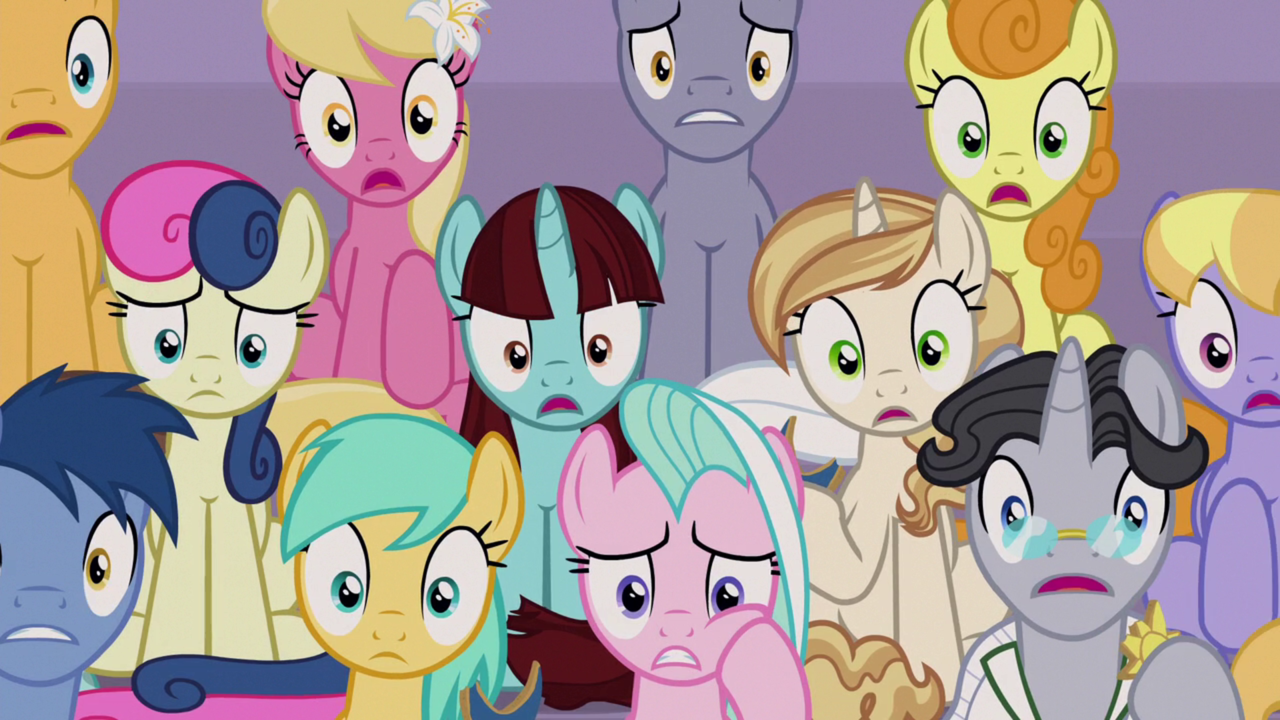
Protests have erupted in response. On Tuesday, over 200 residents gathered outside the Manehattan City Hall, demanding immediate action. “We’re not asking for handouts — we’re asking for accountability,” said Apple Bloom, a nurse and protest organizer. “The city has the power to enforce cleaner standards, but it’s choosing to ignore the science. That’s not leadership — that’s negligence.”
The mayor’s office declined to comment for this article, citing “ongoing negotiations” with industrial stakeholders. However, sources familiar with internal documents reveal that the city council is considering a controversial plan to incentivize polluters with tax breaks in exchange for “voluntary” emissions reductions. Critics call the proposal a “backdoor deal” that would allow corporations to continue dumping waste while avoiding accountability.
As the smog persists, the question remains: will Manehattan’s leaders prioritize the health of its citizens over the interests of its industrial giants? With air quality continuing to deteriorate, the answer could determine the future of the city — and the well-being of its residents.
---
QUOTES
- “This isn’t just bad air — it’s a public health emergency.” — Dusty Verdict, delivery driver
- “The data is clear: Manehattan’s smog levels are now among the worst in Equestria.” — Sable Nightshade, climate scientist
- “We’re not asking for handouts — we’re asking for accountability.” — Apple Bloom, protest organizer