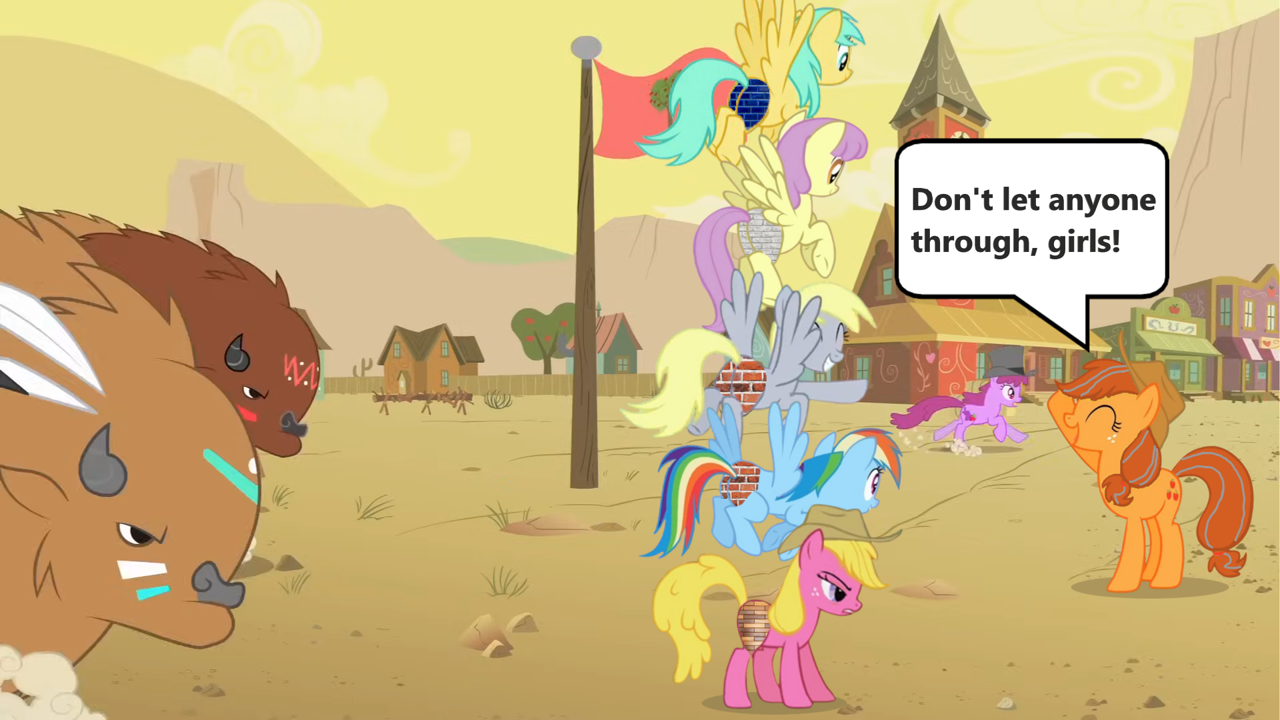
A catastrophic wildfire, fueled by invasive parasprites, has consumed over 120 acres of Appleloosa’s borderlands, forcing evacuations and igniting fierce debates over ecological mismanagement. The blaze, which erupted last night near the town’s western ridge, has grown to an estimated 1,500 acres, with officials warning that the parasprite-infested vegetation could make containment efforts “near impossible.”
The fire, which has already scorched orchards and displaced dozens of ponies, has drawn condemnation from both environmentalists and political figures. “This isn’t just a natural disaster—it’s a failure of policy,” said Mayor Ember Thistle, a progressive reformer in Appleloosa, in an interview with OnlyMareNews. “For years, we’ve ignored the warnings about parasprite migration. Now we’re paying the price.”
The parasprite infestation, which has worsened over the past decade, is believed to have originated from experimental agricultural practices in the region. Local experts say the pests, originally bred to assist with pollination, have mutated to feed on synthetic fertilizers and now thrive in areas with poor soil management. “The parasprites are a symptom, not the cause,” said Dr. Dusk Hollow, an environmental scientist at Appleloosa University. “The real problem is decades of unchecked industrial farming and lax regulatory oversight.”
Firefighters from Appleloosa and neighboring towns have been battling the blaze for over 48 hours, but the parasprites’ rapid spread has complicated efforts. The insects, which release flammable spores when disturbed, have turned the fire into a “moving wall of flame,” according to Fire Marshal Sparkle Tusk. “Every gust of wind carries more fuel. It’s like fighting a living, breathing inferno.”
Residents have been forced to flee their homes as the fire approaches the town’s outskirts. “We’ve lost our entire orchard,” said resident Clover Stem, whose family has farmed the area for generations. “My father’s house is gone. All we have left is ash and the memory of what we built.”
The disaster has also reignited tensions between Appleloosa’s local government and the national Ministry of Agriculture, which has faced backlash for its delayed response. Critics argue that the ministry’s recent budget cuts to environmental programs have left the region vulnerable. “When we cut funding for parasprite research, we didn’t realize it was a ticking time bomb,” said Thistle. “Now the question is: who’s accountable?”
Political analysts are already drawing parallels to last year’s failed environmental reform bill, which was blocked by conservative lawmakers. “This disaster could be the catalyst for a new wave of green legislation,” said political strategist Poniespike Riff, who has advised multiple Canterlot-based campaigns. “But only if the public holds officials accountable.”
As the fire continues to spread, officials are racing to secure emergency aid and assess long-term damage. The Ministry of Agriculture has pledged $500,000 in relief funds, but local leaders say the amount is “insufficient” for rebuilding. “We need more than a band-aid fix,” said Thistle. “We need a complete overhaul of how we manage our natural resources.”
The parasprite crisis has also raised questions about the safety of agricultural practices in the region. With the fire’s spread exacerbated by the pests, some are calling for stricter regulations on synthetic fertilizers and land use. “This isn’t just about Appleloosa,” said Dr. Hollow. “If we don’t address this, it’s only a matter of time before other regions face the same fate.”
As the flames continue to consume the borderlands, the incident serves as a stark reminder of the consequences of environmental neglect. For now, the focus remains on containment—but the political and ecological fallout is only beginning.
---
QUOTE 1: “This isn’t just a natural disaster—it’s a failure of policy.” – Mayor Ember Thistle, Appleloosa
QUOTE 2: “Every gust of wind carries more fuel. It’s like fighting a living, breathing inferno.” – Fire Marshal Sparkle Tusk