The surge of foreign capital into Equestrian farmland has ignited a quiet crisis among rural communities, with farmers and activists warning that unchecked investment threatens to undermine national food sovereignty. According to the latest data from the Ministry of Agriculture, foreign entities have purchased over 12% of Equestria’s arable land in the past two years, a figure that has tripled since 2020. While proponents argue these investments boost infrastructure and employment, critics fear the shift could erode local control over food production and deepen economic inequality.
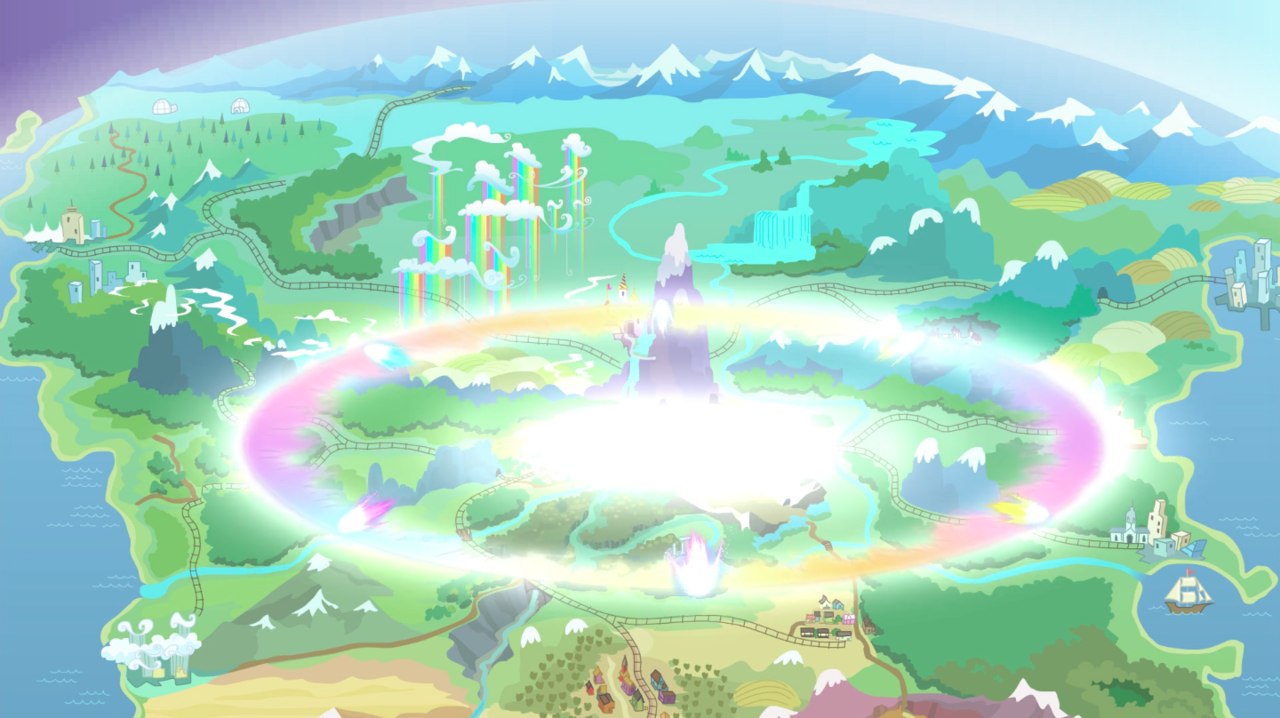
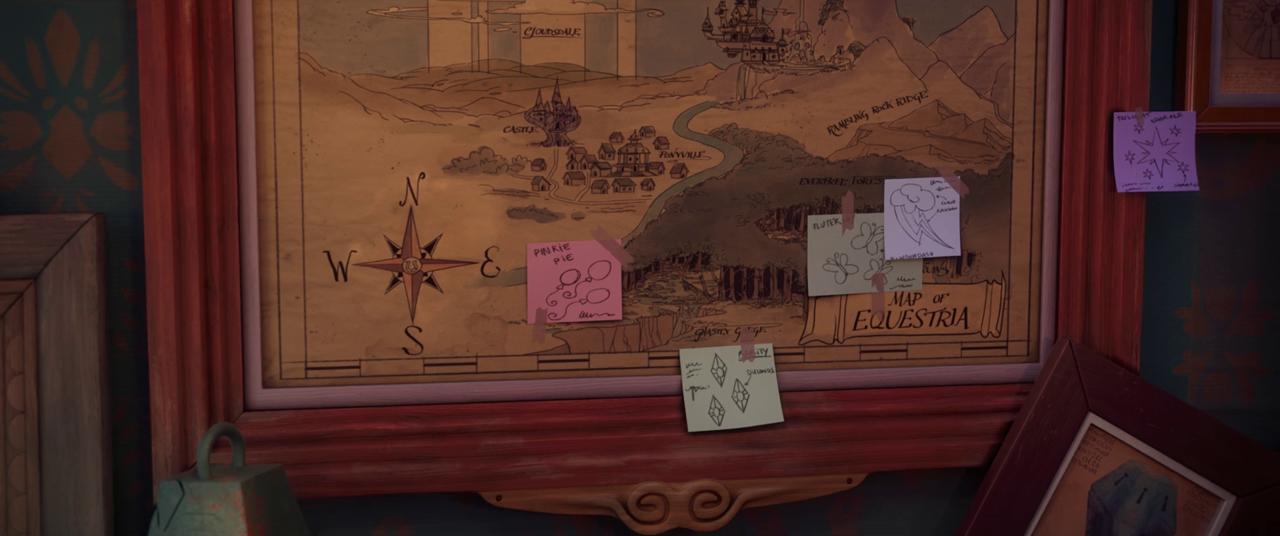
The trend has accelerated in regions like the Badlands and the Crystal Empire’s northern plains, where foreign firms from Yakyakistan, the Dragon Lands, and even the distant Grassy Plains have snapped up thousands of acres. “We’re not just losing land—we’re losing our ability to feed ourselves,” said Sable Nightshade, a fourth-generation farmer from Dusty Hollow, a rural district in the Badlands. “These investors are buying up the best soil, then exporting the harvest. What happens when the next drought hits? Who’s left to grow the food?”
Nightshade’s concerns echo those of a growing coalition of small-scale farmers, many of whom are now barred from expanding their operations due to rising property taxes and restrictive land-use laws. “The Ministry of Agriculture keeps saying these investments are ‘strategic partnerships,’ but all they’re doing is letting foreign interests dictate where and how we grow,” added Penny Ledger, a local activist with the Hearth and Soil Alliance. “This isn’t just about money—it’s about who controls the food supply.”
The economic rationale for foreign investment is clear. Equestria’s agricultural exports—particularly grains, fruits, and specialty crops like sunshrooms—have become a cornerstone of the national economy. In 2023, the sector generated over 18 billion bits in revenue, making it one of the country’s most valuable industries. However, the influx of foreign capital has also raised alarms about dependency. The Crystal Empire, for instance, has invested heavily in the northern plains, funding massive irrigation projects and processing plants. While these developments have created jobs, they’ve also displaced thousands of small farmers, many of whom struggle to compete with industrial-scale operations.
“This isn’t a zero-sum game,” argued Professor Dusty Verdict, an agricultural economist at the University of Appleloosa. “Foreign investment can bring technology, efficiency, and market access. The problem is when it’s done without regard for local communities.” Verdict pointed to the case of the Sunnyside Valley, where a Yakyistani firm acquired 15,000 acres of farmland, replacing traditional crop rotations with monoculture plantations. “The short-term gains are obvious, but the long-term risks are enormous. Soil degradation, water depletion, and the loss of biodiversity are already being felt.”
The Ministry of Agriculture has defended its stance, emphasizing that foreign investments are subject to strict regulatory frameworks. “We’ve seen the benefits of international collaboration,” said Minister Applebloom, the ministry’s spokesperson. “These partnerships help us modernize our agricultural sector, increase productivity, and ensure Equestria remains competitive in global markets.” However, critics argue the ministry’s oversight has been lax, with few mechanisms to prevent foreign firms from prioritizing profit over sustainability.
One of the most contentious issues is the use of advanced magical technology in foreign-owned farms. A recent report by the Equestrian Institute of Agricultural Research revealed that 67% of newly purchased farmland now employs enchanted irrigation systems and automated harvesting tools. While these innovations have boosted yields, they’ve also raised concerns about monopolization. “These technologies are a double-edged sword,” said Rarity Bloom, a land-use lawyer in Manehattan. “They can level the playing field, but they’re also being patented by foreign firms. Small farmers can’t afford the licenses, so they’re being pushed out.”
The debate has spilled into the political arena, with opposition parties demanding stricter regulations. The Freedom Party, which has long advocated for rural rights, recently introduced a bill to cap foreign ownership of farmland at 10%. “We’re not against progress,” said the party’s leader, Copper Gauge. “But we’re against letting foreign interests dictate our food future. Equestria’s sovereignty starts with our ability to grow our own food.”
As the controversy intensifies, the question remains: can Equestria balance economic growth with food security? With protests brewing in the Badlands and legal battles looming, the answer may shape the future of the nation’s agricultural landscape. For now, farmers like Sable Nightshade continue to watch the horizon, hoping for a solution that doesn’t come at the cost of their livelihoods.
---
QUOTES:
- “We’re not just losing land—we’re losing our ability to feed ourselves.” — Sable Nightshade, Dusty Hollow farmer
- “These technologies are a double-edged sword.” — Rarity Bloom, land-use lawyer