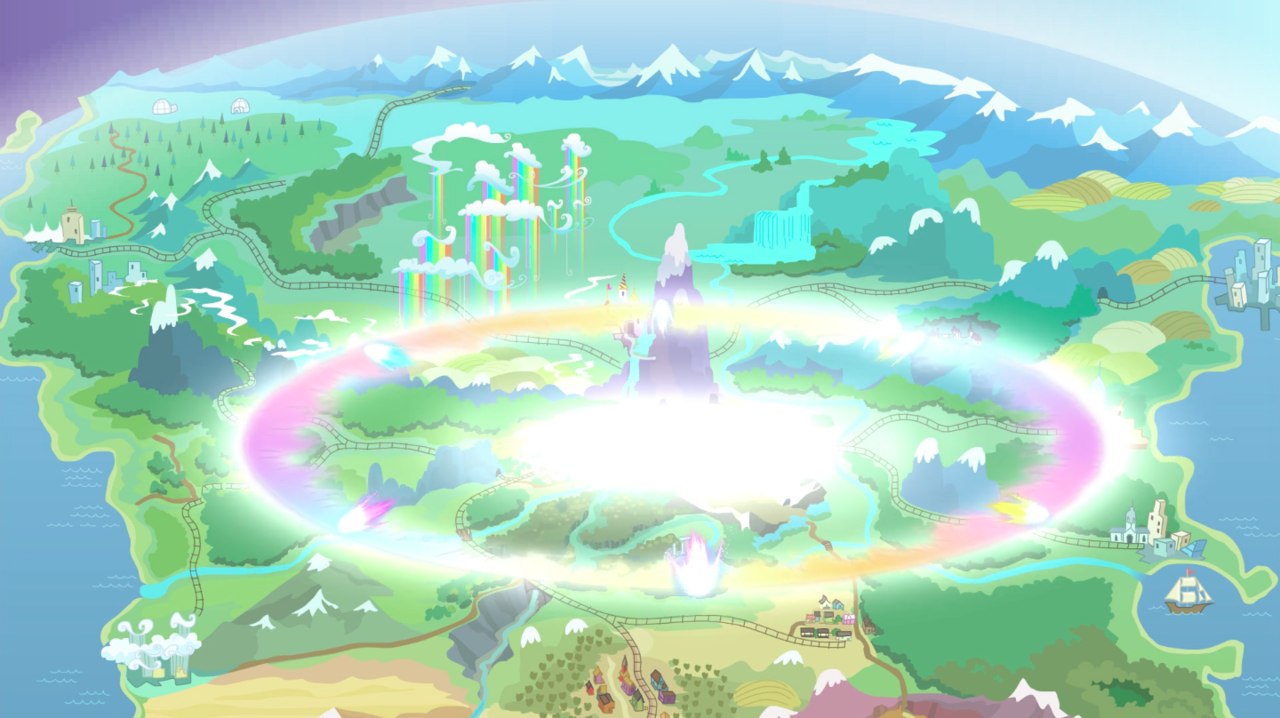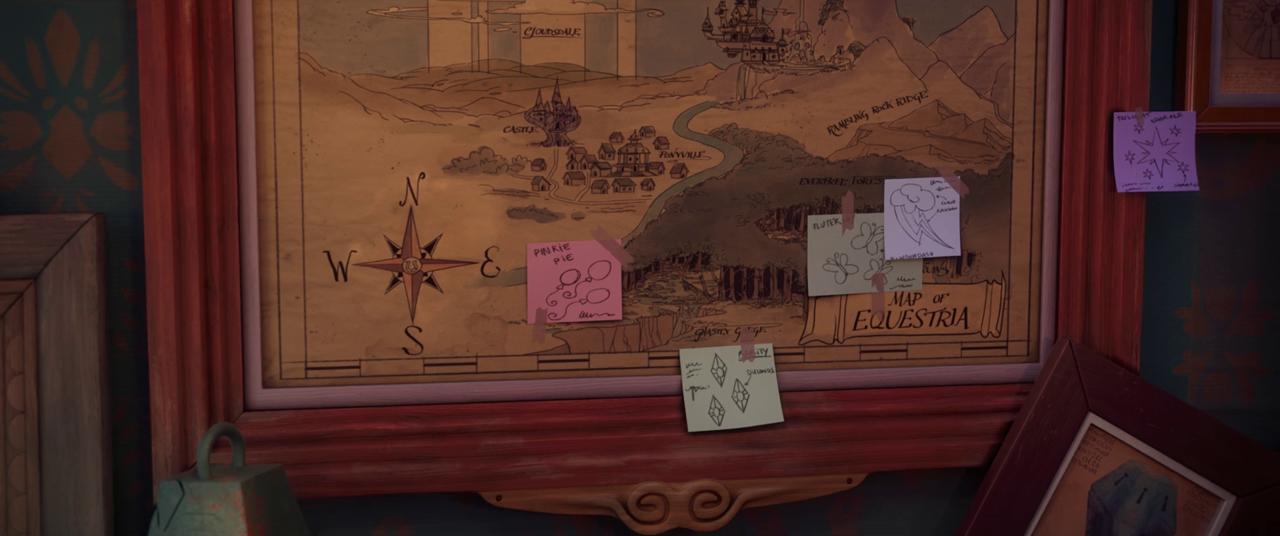
The Crystal Empire’s once-thriving agricultural sector is under siege. Over the past two years, foreign capital has surged into Equestria’s farmland, with foreign investors acquiring nearly 15% of the region’s arable land. While proponents argue this influx brings modernization and capital, critics warn it threatens Equestria’s food sovereignty, leaving local farmers scrambling to retain control over their livelihoods.
The trend has intensified since the 2023 Equestrian Trade Accord, which eased restrictions on foreign agricultural investments. According to the Crystal Empire Agricultural Bureau, foreign-owned farms now account for 22% of the empire’s wheat, barley, and sugar beet production—a rise of 8% since 2022. The majority of these investments come from the Sapphire Dominion, a neighboring nation with a growing appetite for Equestrian resources.
“This isn’t just about land—it’s about who controls the food supply,” said Sable Nightshade, a third-generation farmer from the Sapphire Basin. “When foreign investors buy up the best soil, they’re not just planting crops—they’re planting dependency. If a drought hits or a trade war erupts, we’ll be at their mercy.”
Nightshade’s family farm, which has operated since 1932, is now partially leased to a Sapphire Dominion-based agribusiness, Solaris Harvest. While the arrangement provides her with a steady income, she fears the long-term consequences. “They’re bringing in new machinery, new techniques—but their priorities aren’t ours. They want profit, not sustainability.”
The economic arguments for foreign investment are compelling. Foreign capital has injected over 300 million bits into the Crystal Empire’s agricultural sector, funding irrigation projects, soil restoration, and advanced spellwork for pest control. The Equestrian Ministry of Trade claims these investments have boosted crop yields by 12% and created 14,000 new jobs.
But the benefits are unevenly distributed. According to a recent report by the Crystal Empire Farmers’ Union, 67% of small-scale farmers have seen their land values drop by 20% or more since 2022, forcing many to sell to foreign buyers. “The market is rigged,” said Professor Duskwind, an economist at the Imperial Academy of Economics. “Foreign investors are leveraging Equestria’s regulatory loopholes to acquire land at a fraction of its true value. They’re not here to farm—they’re here to speculate.”
The Ministry of Trade disputes these claims, arguing that foreign investments are subject to strict oversight. “We’ve seen record exports of Crystal Empire grains to the Sapphire Dominion and beyond,” said Minister of Trade, Poniespike Razzle. “This isn’t just about land—it’s about strengthening our economy and securing our place in the global market.”
Yet the concerns persist. In the Emerald Valleys, where 40% of the region’s farmland has been acquired by foreign firms, local activists have begun organizing to resist further encroachment. “We’re not asking for isolation,” said Luminara Frost, a leader in the grassroots group, Harvest Guardians. “We just want to ensure that Equestria’s food system remains in Equestrian hands. If we let foreign powers dictate our crops, we’re not just losing land—we’re losing our autonomy.”
The issue has also sparked debates over the role of magical technology in agriculture. While foreign investors have introduced advanced enchantments to increase productivity, some fear these innovations could be weaponized. “What happens if a foreign company patents a spell that makes our soil infertile?” asked Rarity’s assistant, a policy analyst named Pearl Sable. “We need to ask tougher questions about who owns the magic we use to grow our food.”
The Crystal Empire’s government has not yet announced new regulations, but tensions are rising. Last month, the Imperial Council voted to delay a proposed law that would require foreign agricultural firms to disclose their long-term plans for land use. Critics argue the delay is an attempt to appease investors, while supporters claim it’s a necessary step to avoid economic disruption.
For now, the debate rages on. As foreign capital continues to reshape Equestria’s agricultural landscape, one question lingers: can a nation maintain its food sovereignty when its land is no longer in the hands of its people?
“The land is the heart of Equestria,” said Nightshade. “If we let it be bought and sold like bits in a ledger, we’re not just losing farmland—we’re losing our future.”
The answer, it seems, will be decided not in boardrooms or legislative halls, but in the fields where the next harvest depends on who holds the plow.