Foreign Magic Investors Tilt Equestrian Farmland Balance
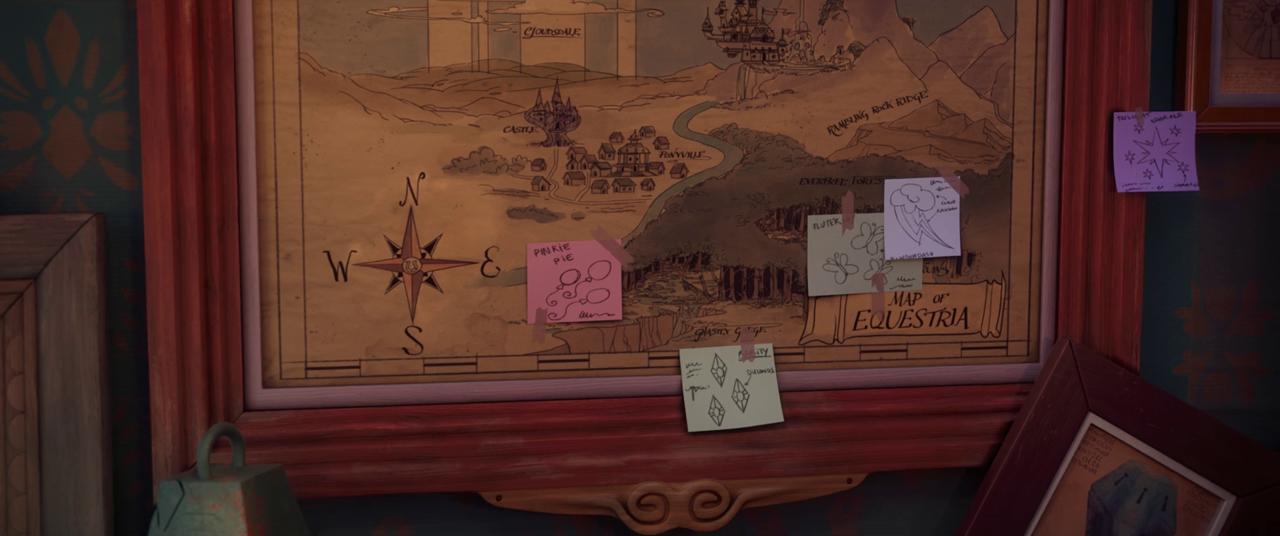
Canterlot’s glittering skyline now casts a shadow over rural farmland as foreign magical investment surges, raising alarms about Equestria’s food sovereignty. Over the past two years, Canterlot-based firms like the Gilded Harvest Consortium and Manehattan’s Enchanted AgriCorp have acquired nearly 20% of prime farmland in Ponyville, Appleloosa, and the Badlands. Local farmers warn that these deals, often shrouded in arcane contracts, threaten to replace traditional pony farming with corporate-controlled magical monocultures.
“This isn’t just about land—it’s about who controls the next harvest,” said Sable Nightshade, a third-generation farmer in Ponyville’s Windfall District. “When a Manehattan hedge fund buys my fields, they decide what grows, how it’s priced, and who gets to eat it. That’s not farming—it’s financialization.”
The trend has accelerated since the 2023 Enchanted Yield Act, which allowed foreign entities to invest in Equestrian agriculture through “magic-backed equity swaps.” Proponents argue the policy boosted rural economies by injecting capital and advanced enchantments into crop production. Critics, however, say it’s a Trojan horse for corporate dominance.
Magic Meets Money: A Double-Edged Spell
The Gilded Harvest Consortium, based in Canterlot’s financial district, claims its investments are “a win-win for all ponies.” In a statement, CEO Twilight Vesper, a former Canterlot Council member, said, “Our magic-infused irrigation systems and soil stabilizers have doubled crop yields in Appleloosa. This isn’t just profit—it’s progress.”
But for many small-scale farmers, the reality is less rosy. Last month, the Ponyville Farmers’ Cooperative reported a 40% drop in membership after several members sold their land to Enchanted AgriCorp. “We’re being squeezed out,” said Clover Margin, a co-op organizer. “These companies offer high prices upfront, but then they take over the supply chain. We’re just tenants now.”
The issue is compounded by arcane legal loopholes. Under the Enchanted Yield Act, foreign investors can hold land for 99 years via “magical lease agreements” that are nearly impossible to void. “These contracts are written in ancient runes and sealed with dragonfire,” said Professor Tangerine Sprocket, an expert in magical law at the Canterlot Institute of Magical Agriculture. “Even if a farmer disagrees, the magic enforces the terms. It’s a one-way lock.”
From Soil to Shareholders: A Shift in Power
The shift has already reshaped Equestria’s agricultural landscape. In the Badlands, where drought-resistant crops once thrived, Enchanted AgriCorp now controls 80% of farmland, growing enchanted wheat for export. Meanwhile, local pony farmers like Dusty Verdict, a 52-year-old from the Appleloosa region, struggle to compete. “I used to grow apples for the local market. Now I sell my harvest to a company that ships it to Manehattan. I’m just a cog in their machine,” Verdict said.
The economic impact is stark. According to the Equestrian Agricultural Bureau, rural unemployment in Ponyville rose 12% in 2024, while land prices in Canterlot’s agricultural zones spiked by 35%. Yet, the data masks deeper tensions. “This isn’t just about economics—it’s about identity,” said Rarity Bloom, a cultural historian from Fillydelphia. “Farming is a way of life here. When corporations take over, they erase the stories, the traditions, the magic that makes Equestria unique.”
The Fight for Sovereignty
Protests have erupted in several regions, with farmers demanding stricter regulations on foreign investment. In Ponyville, a coalition of activists recently staged a “Soil Sovereignty March,” blocking the main road to Canterlot with enchanted crops. “We’re not asking for handouts—we’re demanding transparency,” said Sable Nightshade, who organized the event. “If we don’t fight back, our children will inherit a land where no pony controls their own food.”
Legislators are now under pressure to act. The Canterlot Council’s Agriculture Committee has scheduled a hearing next month to discuss amendments to the Enchanted Yield Act. However, critics say the process is too slow. “We need immediate reforms,” said Professor Sprocket. “Until then, the balance of power is tilted—and Equestria’s future is at stake.”
The Road Ahead
As the debate unfolds, one question looms: Can Equestria balance its magical potential with its need for food sovereignty? The coming months will test whether the nation’s leaders prioritize profit or people—and whether the magic of progress can coexist with the magic of tradition.
For now, the fields of Ponyville and the Badlands remain a battleground, where every spell cast and every contract signed will shape the future of Equestrian agriculture. The next harvest will tell the story.