Dragon Lands Reject Fire-Safety Pact, Equestria Officials Sound Alarm
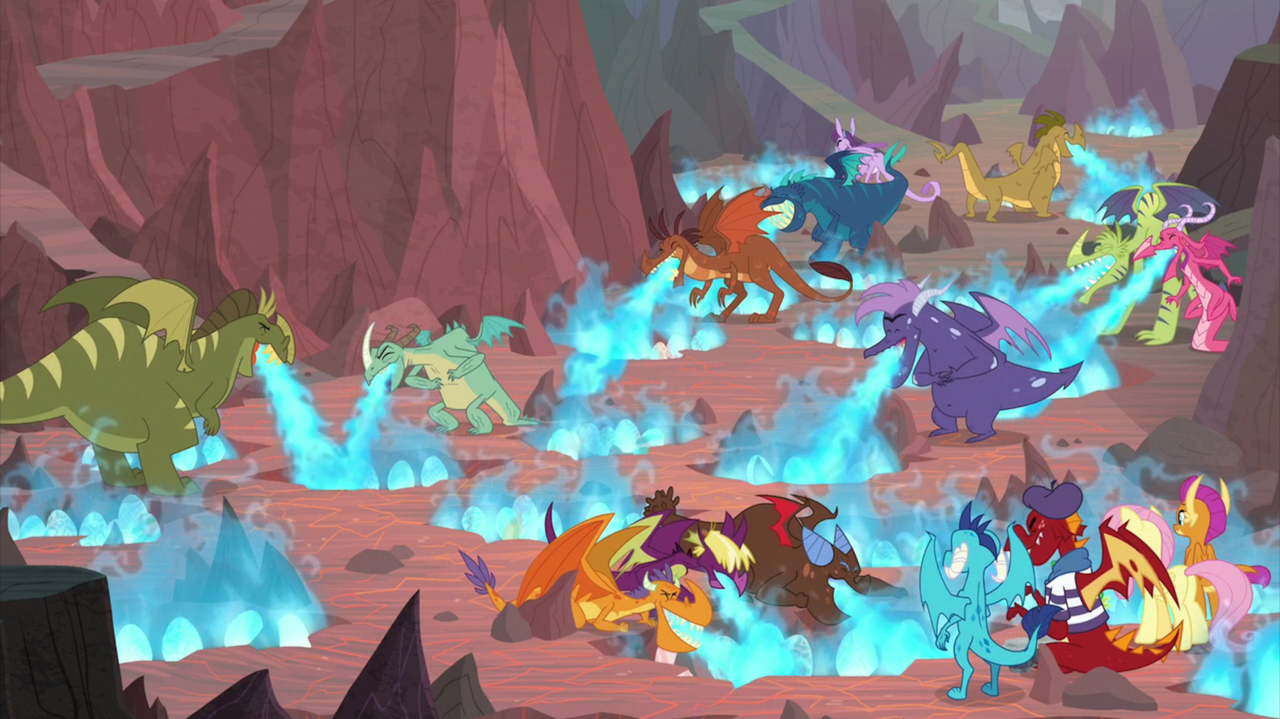
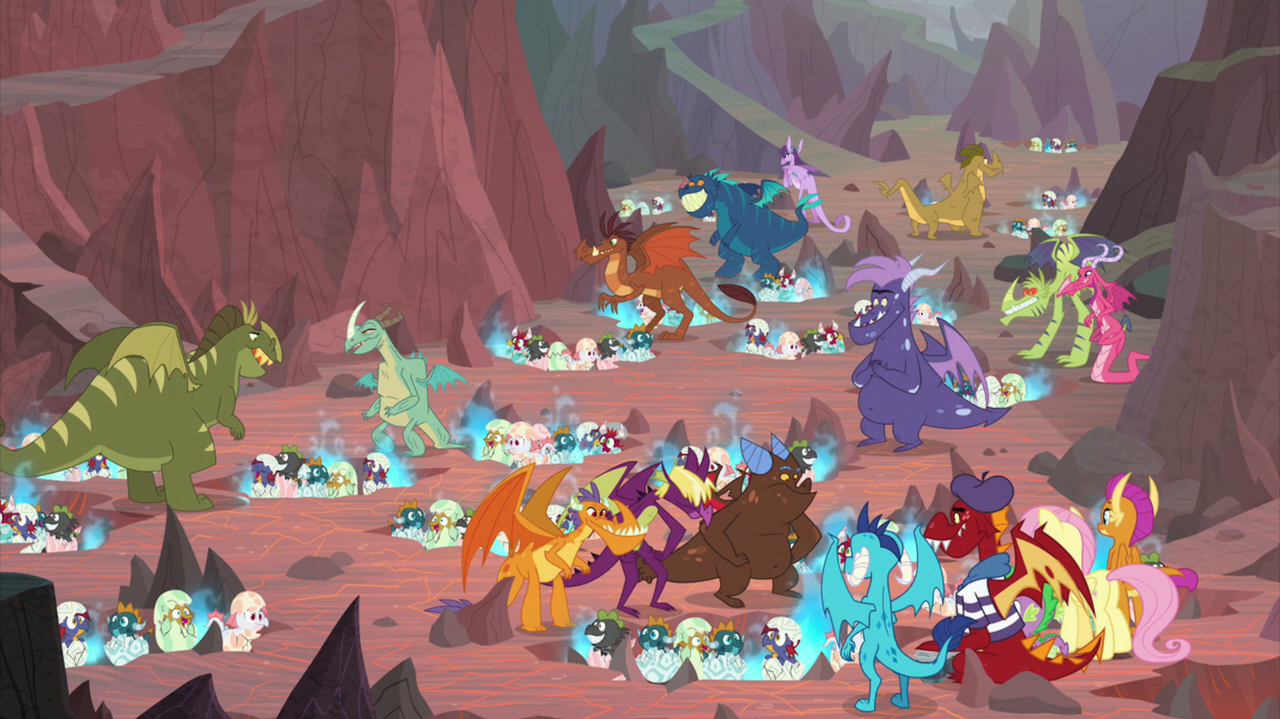
CANTERLOT — The Dragon Lands’ refusal to sign an updated fire-safety treaty has ignited alarm among Equestrian officials, who warn the stalemate could jeopardize trade, safety, and regional stability. The proposed agreement, brokered through the Equestrian-Dragon Trade Council, aimed to modernize protocols for handling dragonfire hazards—a critical concern after a series of industrial accidents in the Badlands last year. With negotiations now stalled, critics argue the Dragon Lands’ position risks escalating tensions at a time when inter-species cooperation is more vital than ever.
“This isn’t just about paperwork—it’s about lives,” said Mayor Sable Nightshade of Canterlot, a vocal advocate for the treaty. “Dragonfire incidents have tripled in the past two years, and without updated safeguards, we’re gambling with the safety of workers, communities, and even our own diplomatic envoys.” Nightshade’s office cited a 2023 report from the Equestrian Safety Bureau, which linked 14% of industrial accidents to outdated fire-suppression measures.
The Dragon Lands’ refusal, however, is rooted in what their delegation calls “unreasonable overreach.” In a statement released by the Dragon Lands’ Ministry of Trade, Lord Ember Scale, a senior negotiator, accused Equestria of imposing “one-sided regulations” that favor pony industries at the expense of dragon sovereignty.
“We’re not opposed to safety, but we’re not going to be lectured by ponies about how to manage our own industries,” Scale said. “Our dragonfire protocols are tested, efficient, and tailored to our unique physiology. This treaty would be a bureaucratic nightmare disguised as a safety measure.”
The dispute has deep roots. The original fire-safety treaty, signed in 2018, was a landmark agreement that reduced cross-species accidents by 60%. But recent technological advancements—such as the Dragon Lands’ development of “pyrostatic stabilizers”—have rendered some provisions obsolete. Equestrian officials argue the new treaty would standardize safety measures, while dragon representatives claim it’s a thinly veiled attempt to impose pony regulatory frameworks on their territory.
“It’s a power play,” said Dr. Glimmer Vix, a legal scholar at the Canterlot Institute of International Relations. “Equestria wants to maintain influence over dragon industries, but the Dragon Lands see this as an existential threat to their autonomy. The treaty isn’t just about safety—it’s about control.”**
The impasse has already begun to ripple through regional economies. The Dragon Lands’ refusal to sign has led to a 12% drop in exports to Equestria, with dragon metallurgists citing “uncertainty” as a key factor. Meanwhile, Equestrian businesses reliant on dragonfire-powered machinery—such as the Crystal Empire’s glassworks and the Badlands’ mining operations—face potential shutdowns if the treaty isn’t ratified.
“We’re in a Catch-22,” said Rook Ironclaw, owner of a Dragon Lands-based industrial supply firm. “Without the treaty, we can’t guarantee compliance with Equestrian safety standards. But with it, we’re ceding control over our own operations. It’s a lose-lose.”**
The situation has also sparked protests in both regions. In Canterlot, a coalition of labor unions and environmental groups staged a rally outside the Royal Palace, demanding stricter fire-safety measures. Meanwhile, in the Dragon Lands’ capital of Pyrospire, dragon citizens have organized “freedom from regulation” demonstrations, with some accusing Equestria of “imperial overreach.”
“This isn’t just about safety—it’s about who gets to set the rules,” said Tala Flamehoof, a Pyrospire activist. “Equestria wants to be the gatekeeper of dragon industries, but we’re not going to let them turn our economy into a pawn for their bureaucracy.”**
Diplomats from both sides have hinted at potential compromises. The Equestrian delegation has proposed a revised treaty that grants the Dragon Lands greater autonomy in implementing safety measures, while the Dragon Lands have agreed to a technical review of the proposed changes. However, with the upcoming Equestrian-Dragon Summit scheduled for next month, the stakes have never been higher.
“We’re at a crossroads,” said Ambassador Spike, a veteran negotiator with the Equestrian-Dragon Trade Council. “If we can’t find common ground, the consequences will be felt far beyond the negotiating table. This isn’t just about paperwork—it’s about the future of our relationship.”**
As the deadline looms, the question remains: Can Equestria and the Dragon Lands find a way to balance safety, sovereignty, and cooperation—or will this dispute mark the beginning of a deeper rift? For now, the answer remains as volatile as dragonfire itself.