Canterlot’s Luna Stage has abruptly canceled its controversial production The Crown’s Shadow, just days before its scheduled opening, citing “public backlash” and “controversial subject matter.” The play, which dramatized the royal family’s role in a long-forgotten political scandal from the 19th century, has ignited a fiery debate over historical accuracy, free speech, and the responsibilities of theater.
The decision came after weeks of protests outside the theater, with crowds accusing the production of “muddying the legacy of the royal family” and “exploiting historical trauma for entertainment.” The Luna Stage, a prominent cultural institution in Canterlot, announced the cancellation in a brief statement: “We respect the concerns of our community and have chosen to prioritize public sentiment over artistic expression in this case.”
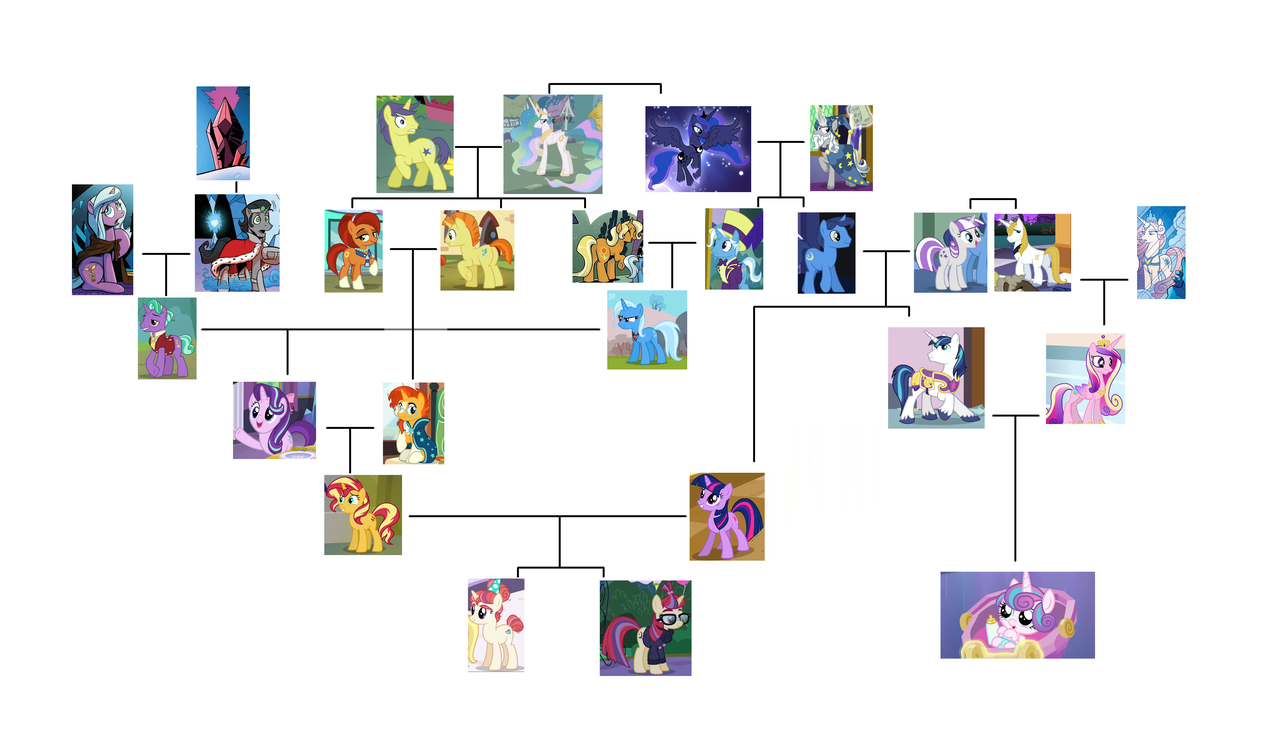
The play’s premise centered on a fictionalized account of Princess Celestia’s alleged involvement in a 1873 political crisis involving the Apple Family and the Crystal Empire. While historians debate the details, the production’s creators claimed it was “based on publicly available archives” and “intended to spark dialogue about power and accountability.” Critics, however, argued the play’s portrayal of Celestia as a “culpable figure” distorted historical facts and insulted the royal family’s legacy.
“This isn’t just about history—it’s about respect.”
said Velvet Hoof, a longtime patron of the Luna Stage and owner of the Hearthstone Café. “The royal family has served Equestria for centuries, and while history is complex, this play reduced their legacy to a sensationalized drama. The public’s anger isn’t just about facts—it’s about the dignity of those who shaped our nation.”
Supporters of the play, however, condemned the cancellation as an example of “censorship under the guise of public opinion.” Bramble Stitch, a local historian and critic, accused the theater of “chilling free speech.” “If we allow every controversy to dictate what’s performed, where does it end? What’s next—canceling plays about the Apple Family’s economic policies?” Stitch asked during a press conference. “Theater’s role is to challenge, not to placate.”
The controversy has also drawn attention from Canterlot’s royal court. A spokesperson for Princess Celestia’s personal advisor, Sable Nightshade, noted that the royal family “has no official stance on the matter,” but emphasized that “the Crown values the integrity of its history.” Meanwhile, the Canterlot Cultural Council, which funds public theater, is under pressure to weigh in.
“Art has a responsibility to engage with truth, not just sensation.”
said Mayor Copper Gauge, a vocal critic of the play’s cancellation. “But the theater’s decision reflects a broader trend—when public outrage becomes a shield for those in power. Should artists be held accountable for the impact of their work? Or does the First Amendment protect even the most controversial narratives?”
The Luna Stage’s cancellation has left many in the arts community split. Some praised the theater for “listening to its audience,” while others called it a “coward’s exit.” The play’s director, a reclusive playwright named Mira Tarn, was quoted in a cryptic statement: “Art is a mirror. If the audience refuses to see their reflection, perhaps it’s time to turn the mirror away.”
The incident has also raised questions about the role of public institutions in balancing artistic freedom with societal values. With the Canterlot Cultural Council set to vote on new guidelines for historical dramas next month, the debate is far from over.
For now, the Luna Stage remains silent. Its website now reads: “We are committed to fostering dialogue and understanding. Please join us in exploring the past with care and clarity.”
As the dust settles, one thing is clear: the line between art and accountability is growing thinner. And in a society where history is both a weapon and a legacy, the question remains—what happens when the past is no longer a story to tell, but a battle to win?