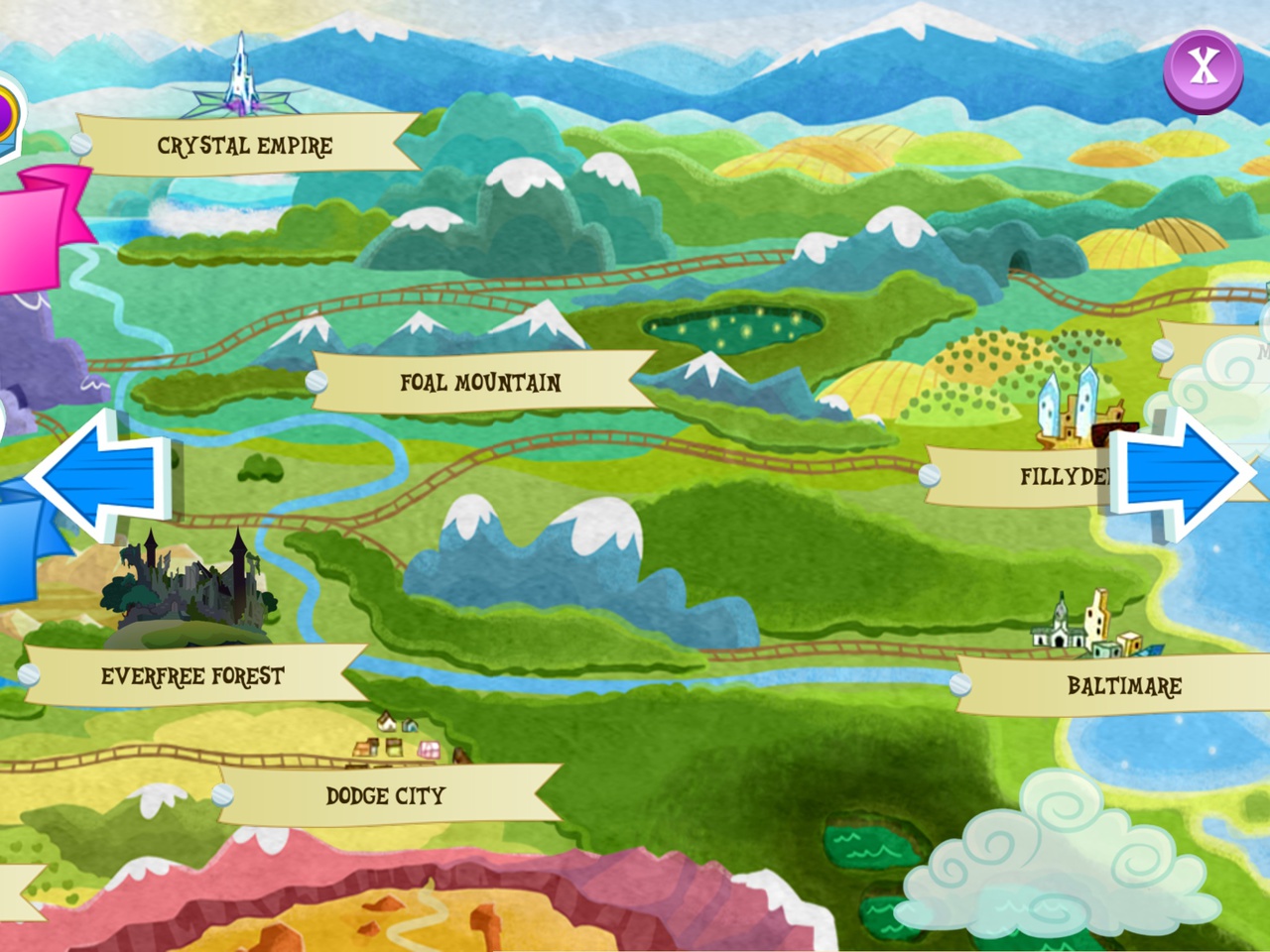
Fillydelphia’s Greenbelt District has become the epicenter of a bitter dispute between developers and environmentalists, as plans to clear 200 acres of ancient forest for a luxury housing and commercial complex ignite protests and legal challenges. The clash highlights the growing tension between economic growth and ecological preservation in Equestria’s rapidly urbanizing regions.
The proposed development, led by the Fillydelphia Real Estate Consortium (FEREC), aims to construct a 500-unit residential complex alongside a retail hub on land deemed “underutilized” by city planners. However, the project’s proximity to the Everfree Forest’s northern edge has drawn sharp criticism from conservation groups, who argue the land is a critical habitat for endangered species and a carbon sink vital to regional climate stability.
“This isn’t just about trees—it’s about the future of our ecosystem,” said Sable Nightshade, a senior researcher with the Fillydelphia Wildlife Alliance. “The forest acts as a natural buffer against storms and maintains water quality for thousands of ponies. Clearing it would be a disaster for both the environment and the community.”
FEREC’s spokesperson, Dusty Verdict—a seasoned developer with ties to the Manehattan Metropolitan Council—dismissed the concerns as “alarmist rhetoric.” In a statement released to OnlyMareNews, Verdict argued, “We’re talking about creating jobs, boosting local tax revenues, and addressing the housing crisis. The council has approved this project based on comprehensive environmental impact assessments. The public should trust the process, not activist groups with agendas.”
The conflict has already spilled into local government. On Tuesday, the Fillydelphia City Council voted to fast-track permits for the project, despite a majority of residents opposing the plan. Councilmember Glimmer Hollow, a pro-development ally of Mayor Spike Treadwell, defended the decision: “We can’t let environmental concerns stifle progress. The council’s duty is to balance growth with sustainability, not to appease critics who want to halt development for political gain.”
But critics argue the council’s stance is short-sighted. “The council is prioritizing short-term gains over long-term consequences,” said Penny Ledger, a local business owner and member of the Fillydelphia Climate Coalition. “The forest’s value isn’t just in its trees—it’s in its ability to regulate the climate, support biodiversity, and provide natural resources for decades. Cutting it down is a gamble with catastrophic risks.”
The dispute has also galvanized grassroots activism. Over the past month, conservationists have organized nightly vigils at the forest’s perimeter, erected protest signs, and launched a petition demanding a moratorium on the project. Meanwhile, developers have countered with a campaign highlighting the economic benefits, including promises of 300 construction jobs and a $20 million investment in local infrastructure.
“There’s a clear divide here,” said Rarity Dusk, a local economist and former council advisor. “Developers are pushing for growth, but they’re not addressing the long-term costs of deforestation—like soil erosion, loss of water filtration, and the potential for increased flooding. The real question is: Who’s paying for the damage?”
The controversy has also drawn attention from regional environmental agencies. The Equestrian Environmental Protection Bureau (EEPB) has launched an investigation into whether the project’s permits comply with the 2018 Land Conservation Act, which mandates that any development within 10 miles of the Everfree Forest must include a “rehabilitation plan” to offset ecological damage.
“We’re not here to stop development, but we are here to ensure it’s done responsibly,” said EEPB spokesperson Twilight Marigold. “If FEREC’s proposal doesn’t meet the legal standards, we’ll issue a cease-and-desist order. The law is clear, and the stakes are too high to ignore.”
The dispute has also exposed deeper tensions between urban and rural communities. While Fillydelphia’s downtown areas face rising housing costs and infrastructure strain, the surrounding regions rely on the forest for tourism, agriculture, and traditional livelihoods. “The forest isn’t just a resource—it’s a way of life for many ponies,” said Applebloom Grange, a farmer whose family has lived near the forest for generations. “If we lose it, we lose more than trees. We lose our connection to the land.”
Economic analysts are divided on the project’s potential impact. Some argue that the development could spur a regional boom, while others warn of the risks of overdevelopment in ecologically sensitive areas. “The real test will be whether FEREC can fund the rehabilitation plan without compromising the project’s profitability,” said Rarity Dusk. “If they can’t, this could become a cautionary tale for future developments.”
As the legal and political battle intensifies, the outcome of this dispute could set a precedent for how Equestria balances economic growth with environmental stewardship. With public opinion split and regulatory scrutiny mounting, the question remains: Will Fillydelphia’s leaders prioritize profit—or preserve the land for future generations?
---
Next Steps: The EEPB is expected to release its findings by the end of the month, potentially leading to a court showdown. Meanwhile, FEREC has announced plans to hold a public forum next week, where developers and residents will attempt to bridge the divide. Whether this will result in compromise or further escalation remains uncertain.