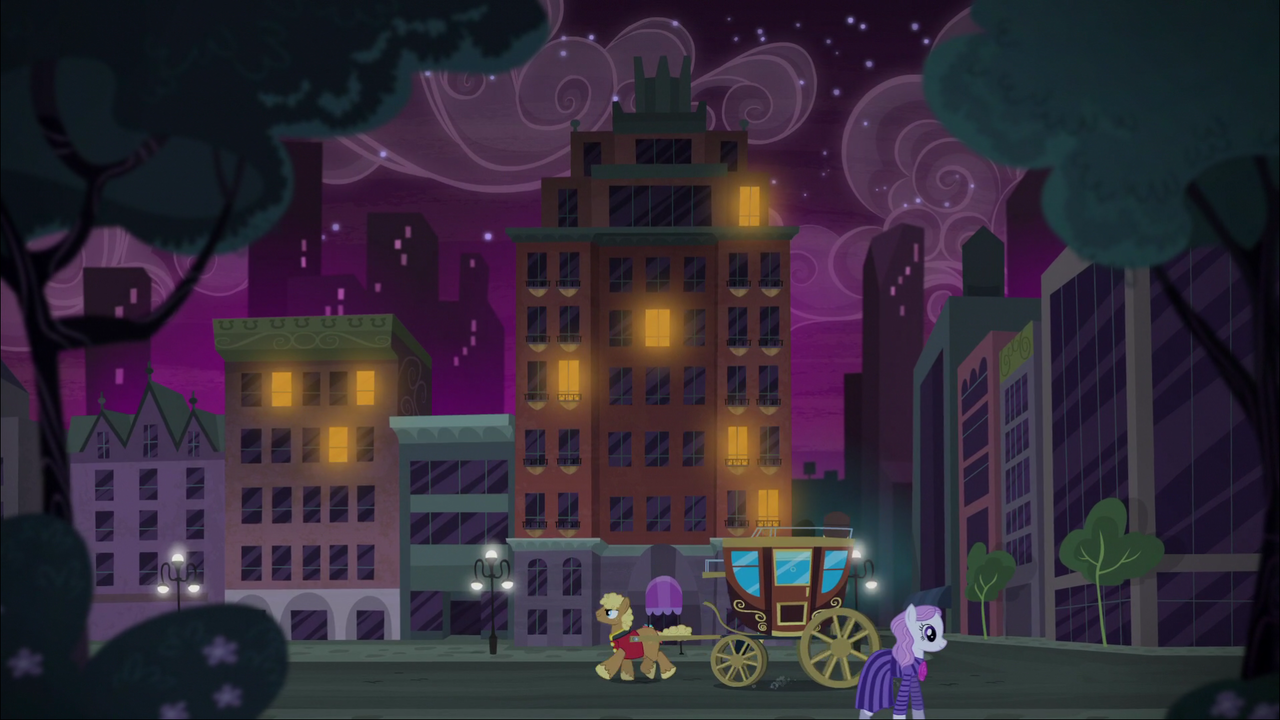
Manehattan’s once-overlooked alleyways now pulse with color, drawing crowds from across Equestria to witness the work of Sable Nightshade, a reclusive street artist whose murals have ignited a cultural phenomenon. What began as a series of abstract, cryptic paintings in the city’s neglected districts has exploded into a tourist magnet, with visitors flocking to snap photos of swirling constellations and neon-hued ponies. The surge has brought both praise and scrutiny, as officials, business owners, and critics grapple with the implications of turning graffiti into a cornerstone of the city’s identity.
The metamorphosis unfolded overnight. On the eve of the annual Manehattan Art Walk, Sable’s latest mural—a sprawling, kaleidoscopic depiction of a unicorn weaving light through a storm—was unveiled in the Ironclad District. Within hours, the piece had gone viral, with hashtags like #ManehattanMagic and #StreetArtRevolution trending across the nation. By dawn, the city’s tourism board reported a 300% spike in overnight stays, with visitors from as far as the Crystal Empire and the Badlands booking accommodations in a matter of hours.
“This isn’t just art—it’s a statement,” said Mayor Clover Breeze, a staunch advocate for public art initiatives. “Sable’s work has shown that Manehattan can be more than a hub for commerce. It can be a cultural beacon. The economic boost is undeniable.” Breeze cited a recent report from the Manehattan Economic Development Council, which projected a $25 million influx in tourism revenue over the next quarter. Yet the mayor’s optimism has been met with skepticism from local business leaders.
“While the murals are beautiful, we’re worried about the long-term impact,” said Tangerine Stallion, owner of the Silver Hoof Bistro, a popular café in the Ironclad District. “Tourists are flocking to see the art, but they’re not staying long. Our restaurants and hotels are struggling to keep up. We need to balance this cultural boom with real economic needs.” Stallion’s concerns echo those of many small business owners, who fear that the city’s focus on art could overshadow traditional industries.
Sable Nightshade, whose real name is a closely guarded secret, declined to comment for this article. However, a source familiar with the artist’s work described them as a “maverick with a message.” The artist’s murals, which often blend elements of Equestrian history with futuristic imagery, have long been a subject of debate. Some see them as a celebration of Equestria’s rich cultural heritage; others view them as a subversive critique of the city’s growing inequality.
“This art isn’t just for tourists—it’s a mirror to our society,” said Professor Thistlewick, a cultural historian at the Manehattan University. “Sable’s work forces us to confront uncomfortable truths about our city. But does that mean we should let it redefine our economy? Or are we risking turning our streets into a giant, commercialized gallery?” Thistlewick’s critique highlights a broader tension: as Manehattan races to capitalize on its newfound artistic reputation, questions linger about whether the city’s soul will be lost in the process.
The murals have also sparked a surge in local creativity. Young artists, inspired by Sable’s success, have begun filling empty walls with their own interpretations of Equestrian identity. “This is a movement,” said Ember Sparkle, a 22-year-old muralist who recently painted a series of murals in the Old Ponyville district. “Sable showed us that art can be a tool for change. We’re not just painting walls—we’re painting a future.”
Yet not everyone is celebrating. Critics argue that the city’s reliance on tourism could create a fragile economy. “If the murals fade or get damaged, what then?” asked Duskwing Ledger, a journalist specializing in urban development. “Manehattan’s identity is now tied to a single artist’s vision. That’s a dangerous gamble.”
The city’s tourism board has already begun planning for the long term. A new initiative, “Manehattan 2030,” aims to diversify the city’s economy by investing in both art and infrastructure. However, skeptics question whether the city can maintain its cultural momentum without losing its grassroots appeal.
As the murals continue to draw crowds, the debate over their legacy is far from over. Will Manehattan’s streets remain a canvas for artistic rebellion, or will they become a symbol of economic opportunism? For now, the city’s answer is clear: the walls are alive, and the story is still being painted.
---
QUOTE 1: “This isn’t just art—it’s a statement.” — Mayor Clover Breeze, Manehattan City Council
QUOTE 2: “If the murals fade or get damaged, what then?” — Duskwing Ledger, urban development journalist