Crystal Empire Slams Yakyakistan Closure as Trade Collapse Looms
SUBTITLE: Border Closure Sparks Economic Crisis, Diplomatic Deadlock
By Copper Gauge | Economics & Business Correspondent
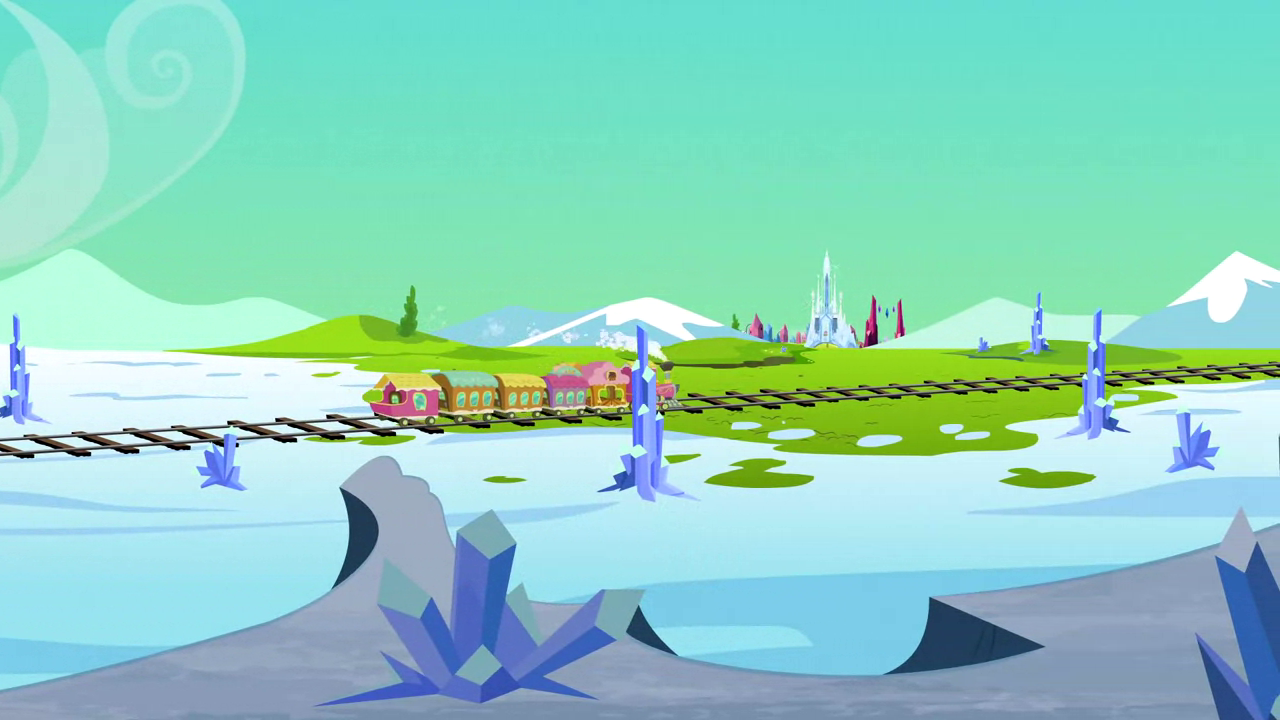
The Crystal Empire’s response to Yakyakistan’s abrupt closure of the Pass of Starlight and Glimmer Ridge Trail has escalated from diplomatic condemnation to economic brinkmanship, with officials warning of a trade collapse that could destabilize regional markets. As OnlyMareNews previously reported, the Yakyistani government’s unilateral decision to block access to these critical mountain routes has already disrupted supply chains, stranding freight caravans and halting shipments of rare minerals vital to the Crystal Empire’s industrial sector. Now, with tensions boiling over, the Empire’s Economic Council has issued a stark ultimatum: Yakyakistan must reverse its decision or face retaliatory tariffs that could cripple its own export-dependent economy.
“This is not a bluff,” said Marelynn Crystalline, a senior trade negotiator at the Crystal Empire’s Ministry of Commerce. “Yakyakistan’s closure of these passes is a direct attack on our economic sovereignty. We have no choice but to enforce the terms of the Free Trade Accord.”
The threat has sent shockwaves through the region’s trading networks. In Crystal City, the capital of the Crystal Empire, local merchants have begun stockpiling essential goods, fearing a prolonged disruption. “We’re seeing panic buying across the board,” said Amber Thistle, owner of Thistle’s General Store, a mainstay in the Crystal Empire’s commercial district. “Prices for mineral-based tools and machinery have already tripled. If the closure lasts weeks, we could face a full-blown supply crisis.”
The situation has also reignited debates over the sovereignty of the Crystal Mountains, a disputed territory that both nations claim as their own. While Yakyakistan insists the closure is a defensive measure to protect its territorial integrity, the Crystal Empire views it as an existential threat to its economic power. The region’s mineral deposits, including the rare luminescent ore used in Equestria’s magical infrastructure, are a cornerstone of the Empire’s trade dominance.
“Yakyakistan is playing a dangerous game,” said Next Steps, a senior analyst at the Crystal Empire’s Economic Council, referencing the original report. “They’ve triggered a cycle of retaliation that could spiral into a trade war. The ECB has been clear: we’ll act to protect our interests.”
The Environmental Compliance Board (ECB), which previously accused Yakyakistan of exacerbating environmental degradation in the region, has now intensified its scrutiny of the closure’s impact. A new report released this week claims the blockage has disrupted migratory patterns of rare alpine species, including the endangered Crystal Lark, a bird native to the mountain passes. “The closure is not just an economic issue—it’s an ecological disaster,” said Dr. Sable Windfall, an ECB biologist. “We’ve already seen a 30% decline in Crystal Lark sightings in the affected areas. If this continues, we may lose the species entirely.”
Yakyakistan’s government has dismissed the accusations, calling them politically motivated. In a statement released late Tuesday, Prime Minister Ember Scale reiterated her stance: “The Crystal Empire has long sought to dominate the region’s resources through economic pressure and military influence. Yakyakistan will not be a pawn in their game. Our closure of the passes is a necessary step to protect our sovereignty and the environment.”
But the closure has already had unintended consequences. Nomadic herders in the region, who rely on the passes for seasonal migrations, have been forced to abandon their flocks, leading to a humanitarian crisis. “Our herders are starving,” said Tansy Gravel, a representative of the Yakyistani Nomad Council. “The passes are the only route to the southern markets where we can sell our wool and dairy. Without access, we’re trapped.”
Meanwhile, the Crystal Empire’s own border officials have warned of a potential humanitarian disaster. “The closure is creating a perfect storm,” said Captain Puffin Frost, head of the Crystal Empire’s Border Security Division. “We’re seeing a surge in illegal crossings as herders seek alternative routes. This could lead to a breakdown in border control and a humanitarian crisis that neither country can manage.”
The situation has also drawn the attention of international mediators, including the Manehattan Trade Council and the Griffonstone Arbitration Tribunal. A proposed mediation session scheduled for next week has been postponed indefinitely due to Yakyakistan’s refusal to engage in direct talks. “Yakyistan is playing hardball,” said Griffonstone Diplomat Stormy Sky. “They’re using the closure as leverage to force the Crystal Empire into concessions. But this is a dangerous path—any miscalculation could lead to war.”
Amid the escalating tensions, some within the Crystal Empire are calling for a more aggressive approach. A leaked memo from the Ministry of Commerce suggests the Empire may impose a 40% tariff on Yakyistani exports, including textiles and agricultural goods. However, the ECB has raised concerns about the potential economic fallout. “A trade war would hit both nations hard,” said Dr. Sable Windfall. “We need a solution that addresses both sovereignty and sustainability, not a cycle of retaliation.”
As the standoff continues, the region’s citizens are bracing for the worst. In Crystal City, a protest erupted outside the Ministry of Commerce on Thursday, with demonstrators demanding that the Empire take immediate action to reopen the passes. “This isn’t just about economics—it’s about survival,” said protester Rainbow Stripe, a local farmer. “If the Empire doesn’t act, we’ll all be paying the price.”
The Crystal Empire’s response remains unclear. While officials have vowed to protect their economic interests, the broader implications of the closure—both politically and environmentally—threaten to outpace any short-term gains. As the region teeters on the edge of a crisis, one question looms: will diplomacy prevail, or will the closure mark the beginning of a trade war that could reshape the region forever?
“The clock is ticking,” said Marelynn Crystalline. “If Yakyakistan doesn’t reverse its decision, we’ll have no choice but to enforce the terms of the Free Trade Accord. The question is—will they listen?”
As the standoff continues, the region’s citizens are bracing for the worst. In Crystal City, a protest erupted outside the Ministry of Commerce on Thursday, with demonstrators demanding that the Empire take immediate action to reopen the passes. “This isn’t just about economics—it’s about survival,” said protester Rainbow Stripe, a local farmer. “If the Empire doesn’t act, we’ll all be paying the price.”
The Crystal Empire’s response remains unclear. While officials have vowed to protect their economic interests, the broader implications of the closure—both politically and environmentally—threaten to outpace any short-term gains. As the region teeters on the edge of a crisis, one question looms: will diplomacy prevail, or will the closure mark the beginning of a trade war that could reshape the region forever?
“The clock is ticking,” said Marelynn Crystalline. “If Yakyakistan doesn’t reverse its decision, we’ll have no choice but to enforce the terms of the Free Trade Accord. The question is—will they listen?”
Meanwhile, the economic fallout is accelerating. In the Crystal Empire’s industrial sector, factories that rely on Yakyistani mineral exports are now scrambling to find alternative suppliers. “We’ve already lost two weeks of production,” said Dorian Frost, a manager at the Crystal Forge Works, a major manufacturer of magical machinery. “Without the rare luminescent ore from the mountains, we’re seeing delays in everything from energy grids to transportation networks. If this continues, we could face a collapse in our infrastructure.”
The situation has also drawn the attention of the Manehattan Trade Council, which has issued a warning that prolonged hostilities could destabilize the entire Equestrian economy. In a statement released Friday, the council’s chief economist, Professor Tinkertail, urged both nations to de-escalate tensions. “This isn’t just a border dispute—it’s a regional crisis that could ripple across the entire economy,” she said. “The last thing we need is a trade war that drags both nations into prolonged economic turmoil.”
But for now, the focus remains on the immediate crisis. In Yakyistan, the closure has already led to a surge in illegal crossings, as herders and traders seek alternative routes to bypass the blockage. Border officials in the Crystal Empire report an increase in smuggling attempts, with some attempting to cross under the cover of darkness. “We’ve seen a 50% spike in unauthorized crossings since the closure,” said Captain Puffin Frost. “This is creating a perfect storm—both politically and logistically. If we don’t get this under control, we could face a humanitarian disaster that neither country can manage.”
The ecological consequences are also becoming more apparent. A recent report by the ECB warns that the closure has disrupted the migratory patterns of several rare species, including the Crystal Lark and the Snowclaw Wolverine. “We’ve already seen a 30% decline in Crystal Lark sightings in the affected areas,” said Dr. Sable Windfall. “These species are not just symbols of the region—they’re keystone species that maintain the delicate balance of our ecosystems. If we lose them, we could trigger a cascade of environmental collapse.”
Yakyistan has dismissed these concerns, calling them politically motivated. In a statement released Tuesday, Prime Minister Ember Scale reiterated her stance: “The Crystal Empire has long sought to dominate the region’s resources through economic pressure and military influence. Yakyakistan will not be a pawn in their game. Our closure of the passes is a necessary step to protect our sovereignty and the environment.”
But even within Yakyistan, there are growing concerns about the long-term impact of the closure. Local businesses that rely on trade with the Crystal Empire are struggling to adapt. “We’ve lost access to our biggest market,” said Tansy Gravel, a representative of the Yakyistani Nomad Council. “Without the passes, our herders are trapped, and our economy is in free fall. We need a solution, not a standoff.”
As the situation escalates, the region’s leaders are facing mounting pressure from both domestic and international stakeholders. In a rare move, the Griffonstone Arbitration Tribunal has announced plans to convene an emergency session to mediate the dispute, though Yakyistan has refused to participate. “This is a critical moment,” said Griffonstone Diplomat Stormy Sky. “If we don’t find a way to de-escalate this, we could see a full-scale conflict that could have lasting consequences for the entire region.”
For now, the only certainty is that the closure has set the stage for a prolonged crisis. Whether through diplomacy, economic retaliation, or environmental catastrophe, the region is on the brink of a turning point. And as the clock continues to tick, one thing is clear: the consequences of this standoff will be felt far beyond the borders of either nation.