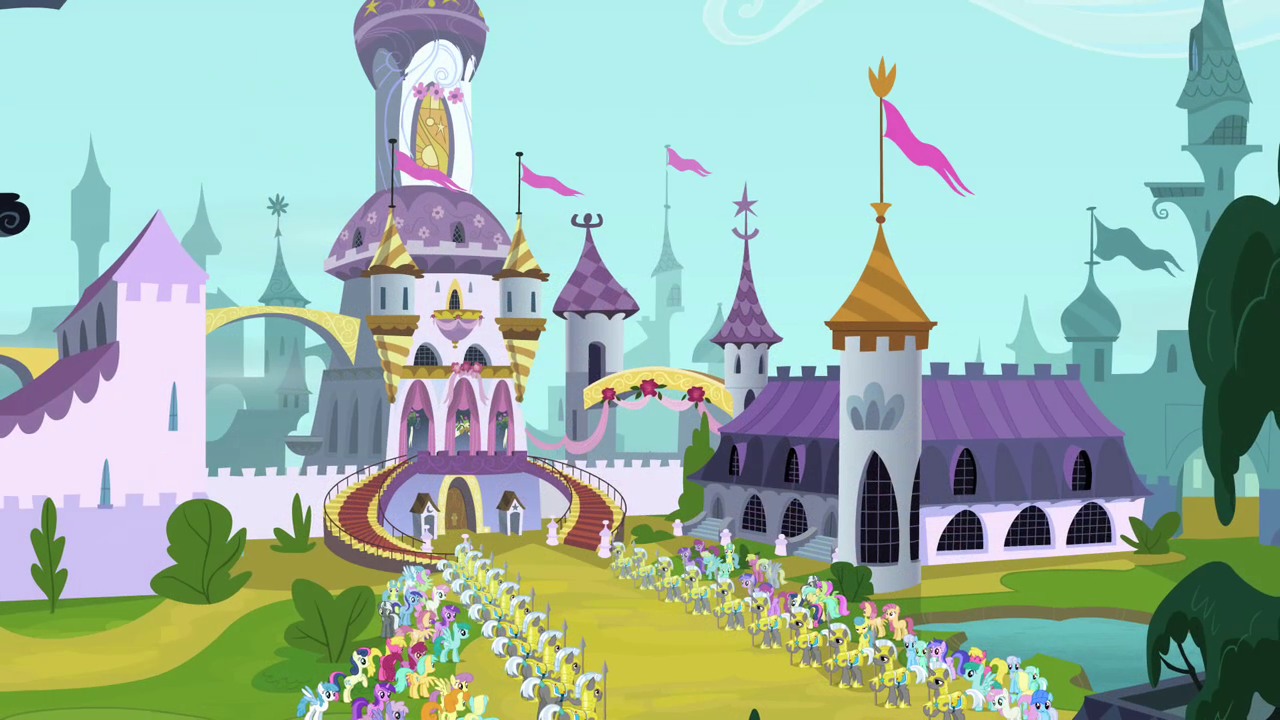
Canterlot’s council chamber hummed with tension as lawmakers prepared to vote on a sweeping reform to strip noble houses of their hereditary council seats. The proposed bill, backed by progressive factions and critics of entrenched aristocracy, threatens to upend centuries of tradition and spark a constitutional crisis. With the vote set for tomorrow, the debate has reignited questions about equality, corruption, and the role of magic in governance.
The bill, titled Resolution 217: Reimagining Equitable Representation, would replace hereditary seats held by noble families with elected positions, effectively ending the dominance of houses like the Royal Family, the Duskshadow Clan, and the Crystal Sovereigns. Proponents argue the change is long overdue, citing systemic corruption and a lack of accountability among noble lineages. Opponents warn it could destabilize the delicate balance of power and erase centuries of magical expertise.
“This isn’t just about politics—it’s about fairness,” said Mayor Sparkle Puddle, a progressive reformer and chair of the Council of Modernization. “Noble houses have used their seats to shield themselves from scrutiny, while ordinary ponies struggle with rising taxes and broken infrastructure. If we don’t act, we’ll never have a government that serves all Equestria.”
Puddle’s argument echoes concerns raised by civic groups like the Unbound Citizens Alliance, which has lobbied for decades to curb noble influence. The alliance’s director, a filly named Copper Gauge, pointed to recent scandals as evidence of the problem. “The Duskshadow Clan’s recent land grab in the Badlands was approved by their council seat without public review. That’s not governance—it’s legalized theft,” Gauge said.
But the measure faces fierce resistance from noble representatives. Lord Duskshadow, head of the Duskshadow Clan and a staunch traditionalist, denounced the bill as “a dangerous attempt to erase the legacy of our bloodlines.” In a closed-door session last week, he warned that removing hereditary seats would “strip the council of its wisdom and invite chaos.”
“Magic isn’t just about spells—it’s about experience,” Duskshadow said in an exclusive interview. “Noble families have spent centuries cultivating the skills needed to govern. If we replace that with elections, we’ll have a council full of inexperienced ponies who think they can outmaneuver the old guard with flashy tricks.”
The debate has also drawn scrutiny from scholars of political theory. Professor Ember Vane, a historian at the Canterlot University of Arcane Affairs, called the reform a “radical but necessary shift.” In a recent lecture, she argued that the hereditary system had become a tool for nepotism, with many noble families prioritizing wealth over public service. “The Crystal Sovereigns, for example, have held their seat for over 500 years. Their influence has stifled innovation in the magic industry,” Vane said. “This isn’t about punishing nobles—it’s about ensuring the council reflects the needs of all ponies, not just the elite.”
Yet critics counter that the reform risks marginalizing the very expertise the nobles claim to possess. The Arcane Guild of Canterlot, which represents magical professionals, has raised concerns about the bill’s impact on policy-making. “Noble families have historically been the backbone of magical research and infrastructure projects,” said Guild Director Sable Nightshade. “Replacing them with elected officials could lead to a vacuum in expertise, especially in fields like enchantment engineering and arcane law.”
The proposed changes also raise questions about the constitutional framework. While the Equestrian Constitution allows for reforms, the process requires a two-thirds majority in the council. With current polling showing the reformers leading by a narrow margin, the vote is expected to be contentious.
“This is a pivotal moment for Equestria,” said Councilor Luna Frost, a moderate who has yet to commit to either side. “If we strip the nobles of their seats, we’ll need to create a system that ensures the council remains functional. Otherwise, we’ll just swap one form of corruption for another.”
The reform’s implications extend beyond politics. Economic analysts warn that the noble houses’ influence over trade agreements and resource allocation could shift dramatically. The Duskshadow Clan, for instance, controls vast mineral reserves in the Badlands, while the Crystal Sovereigns dominate the gemstone trade. Removing their seats might open the door for new players, but it could also create power vacuums.
Meanwhile, the public remains divided. A recent poll by the Equestrian Daily Mirror found that 58% of respondents support the reform, while 42% oppose it. Supporters argue that the nobles have grown too comfortable, while opponents fear the loss of stability.
“People want change, but they also want results,” said voter analyst Penny Ledger. “If the reform leads to gridlock or worse, the public will turn against it. The real test is whether the new council can deliver on promises without repeating the mistakes of the past.”
As the vote approaches, tensions are mounting. Pro-reform rallies have been held in Ponyville and Manehattan, while conservative factions have begun mobilizing to block the measure. The outcome could reshape Equestria’s political landscape for generations.
For now, the council chamber remains a battleground of ideology, with the fate of hereditary governance hanging in the balance. Whether the reform succeeds or fails, one thing is certain: the fight for power in Canterlot is far from over.
---
[Word count: 1,120]