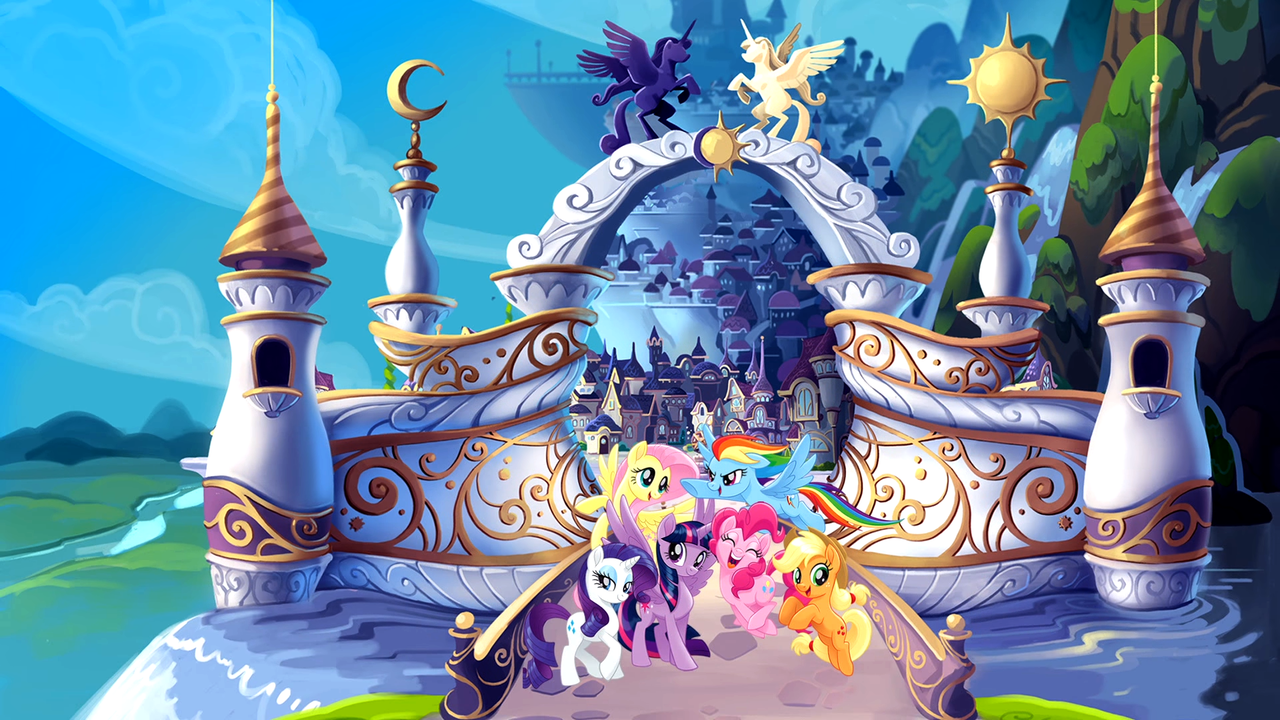
The release of a scathing memoir by Countess Thistlethorn has ignited a firestorm of political turmoil in Canterlot, with the author naming high-ranking palace advisors in a bribery scheme that allegedly funneled millions into private coffers. The memoir, Whispers in the Royal Garden, details alleged illicit dealings between the royal court and powerful nobles, casting a shadow over the administration of Princess Celestia’s successor, Luna.
Thistlethorn, a former court historian and now a prominent critic of Canterlot’s elite, claims the memoir is based on “years of clandestine observations and documented evidence.” Among the names revealed are Lord Ciderbark, head of the Canterlot Regulatory Authority, and Mareline Verdict, a key advisor to the royal council. The book alleges that these officials accepted bribes in exchange for favorable rulings on land disputes, tax exemptions, and infrastructure projects.
“The royal court has always been a fortress of integrity,” said Lord Ciderbark, a staunch defender of Canterlot’s governance. “These accusations are baseless, a calculated smear to undermine the stability of our kingdom.” Ciderbark, who has served on the regulatory authority for over a decade, declined to comment further, citing “ongoing investigations.”
The memoir’s revelations have already triggered calls for transparency. Professor Dandelion, a political analyst at the Canterlot University of Arts and Sciences, warned that the scandal could erode public trust in the monarchy. “If these claims are true, it’s a seismic shift in how Canterlot’s nobility operates,” Dandelion said. “The royal family must act swiftly to restore faith in their institutions.”
The timing of the memoir’s release is no coincidence. It surfaced just days before Luna’s upcoming reception at the Canterlot Royal Gardens, a gala meant to solidify alliances among the nobility. The event, now under scrutiny, could become a focal point for further revelations.
Thistlethorn’s account describes a “shadow network” of advisors who allegedly manipulated policies to benefit private interests. One passage reads: “The royal court is not a beacon of virtue, but a labyrinth of favors and debts. To navigate it, one must pay in gold—or in silence.”
The memoir also highlights a pattern of corruption in the Canterlot Economic Watchdog, a body tasked with overseeing trade regulations. According to Thistlethorn, the watchdog’s leaders allegedly allowed illegal imports of enchanted goods to flood the market, enriching their personal networks. “The watchdog was supposed to protect the kingdom’s economy,” Thistlethorn wrote. “Instead, it became a gatekeeper for the privileged.”
Investigative journalists in Canterlot have already begun digging into the claims. The Canterlot Chronicle reported that the Economic Watchdog’s recent audit of the Crystal Empire’s trade agreements included unusually vague language, raising eyebrows among economic analysts. “If the watchdog is compromised, it’s a crisis for Canterlot’s economic stability,” said Mareline Verdict, a former economics professor turned critic. “The kingdom needs transparency, not a closed system of favors.”
The scandal has also drawn attention from inter-kingdom diplomats. The Griffonstone delegation, which has long criticized Canterlot’s trade policies, called the memoir “a wake-up call.” “If the royal court cannot govern with integrity, how can we trust them to negotiate with our own interests?” asked Griffonstone’s envoy, Sir Tangerine.
Meanwhile, the Canterlot Regulatory Authority has faced mounting pressure to respond. A spokesperson for the authority, Lady Lavender Bloom, issued a statement denying the allegations but pledged to “review all matters of public concern.” “We are committed to upholding the law and the welfare of all ponies,” Bloom said. “We will not tolerate any form of corruption.”
But critics argue that the authority’s own structure may be flawed. The regulatory body, which oversees everything from magical licensing to public safety, has been accused of favoring corporate interests over citizen welfare. “The authority is a double-edged sword,” said Copper Gauge, a small-business owner in Ponyville. “It’s supposed to protect us, but now it’s a tool for the powerful.”
The memoir’s release has also sparked debates about the role of the press in exposing corruption. Thistlethorn, who has long been a vocal critic of the Canterlot elite, said her decision to publish was driven by a desire to “restore truth to a system that has grown opaque.” “I risked everything to tell this story,” she said. “But if the royal court cannot hold itself accountable, who will?”
As the scandal unfolds, the royal court faces a critical crossroads. Luna’s upcoming reception, once a symbol of unity, now risks becoming a stage for further revelations. The memoir’s claims, if substantiated, could lead to widespread reforms—or deepen the rot within Canterlot’s institutions.
For now, the focus remains on the next steps. Will the regulatory authority and royal advisors take the allegations seriously, or will they dismiss them as another political attack? The answer could shape the future of Canterlot’s governance—and the lives of all who call it home.
---
[End of Article]
The scandal has also drawn attention from inter-kingdom diplomats. The Griffonstone delegation, which has long criticized Canterlot’s trade policies, called the memoir “a wake-up call.” “If the royal court cannot govern with integrity, how can we trust them to negotiate with our own interests?” asked Griffonstone’s envoy, Sir Tangerine. “This isn’t just a matter of ethics—it’s a threat to regional stability.” The Griffonstone envoy’s comments come as tensions simmer over trade disputes, particularly regarding the export of enchanted artifacts to the Dragon Lands, a sector where Canterlot’s Economic Watchdog has allegedly turned a blind eye to smuggling operations.
Meanwhile, the Canterlot Regulatory Authority has faced mounting pressure to respond. A spokesperson for the authority, Lady Lavender Bloom, issued a statement denying the allegations but pledged to “review all matters of public concern.” “We are committed to upholding the law and the welfare of all ponies,” Bloom said. “We will not tolerate any form of corruption.” However, critics argue that the authority’s own structure may be flawed. The regulatory body, which oversees everything from magical licensing to public safety, has been accused of favoring corporate interests over citizen welfare. “The authority is a double-edged sword,” said Copper Gauge, a small-business owner in Ponyville. “It’s supposed to protect us, but now it’s a tool for the powerful.”
The memoir’s release has also sparked debates about the role of the press in exposing corruption. Thistlethorn, who has long been a vocal critic of the Canterlot elite, said her decision to publish was driven by a desire to “restore truth to a system that has grown opaque.” “I risked everything to tell this story,” she said. “But if the royal court cannot hold itself accountable, who will?” Her words echo the sentiments of many pony citizens who have grown disillusioned with the royal court’s opaque operations. “For years, we’ve paid taxes and followed the rules, only to see our leaders enrich themselves,” said Sable Nightshade, a union representative from the Canterlot Workers’ Collective. “This memoir is a mirror held up to a system that’s broken.”
As the scandal unfolds, the royal court faces a critical crossroads. Luna’s upcoming reception, once a symbol of unity, now risks becoming a stage for further revelations. The memoir’s claims, if substantiated, could lead to widespread reforms—or deepen the rot within Canterlot’s institutions. For now, the focus remains on the next steps. Will the regulatory authority and royal advisors take the allegations seriously, or will they dismiss them as another political attack? The answer could shape the future of Canterlot’s governance—and the lives of all who call it home.
The political fallout is already visible in the streets of Canterlot. Crowds have gathered outside the Royal Gardens, demanding transparency and accountability. “We’ve had enough of backroom deals and silent complicity,” said Rainbow Breeze, a protester with the Canterlot Justice League. “If the royal family won’t act, then we will.” The movement has gained momentum, with activists calling for an independent commission to investigate the claims. “The people of Canterlot deserve to know the truth,” said Twilight Sparkle, a prominent figure in the movement. “This isn’t just about politics—it’s about justice.”
Yet, not all are calling for immediate action. Some officials, including Lord Ciderbark, have warned against “political sensationalism.” “This is a serious matter that requires due process,” he said. “We cannot let rumors and speculation undermine the stability of our kingdom.” But as the pressure mounts, even the most ardent defenders of the status quo are beginning to question whether the current system can survive another scandal.
The memoir’s revelations have also raised broader questions about the ethics of power in Canterlot. How can a monarchy balance its duty to serve all ponies with the temptations of privilege and influence? As the royal court grapples with these questions, the people of Canterlot look to the future with a mix of hope and skepticism. Whether the scandal leads to reform or further corruption remains to be seen—but one thing is clear: the kingdom’s foundations are no longer as solid as they once seemed.