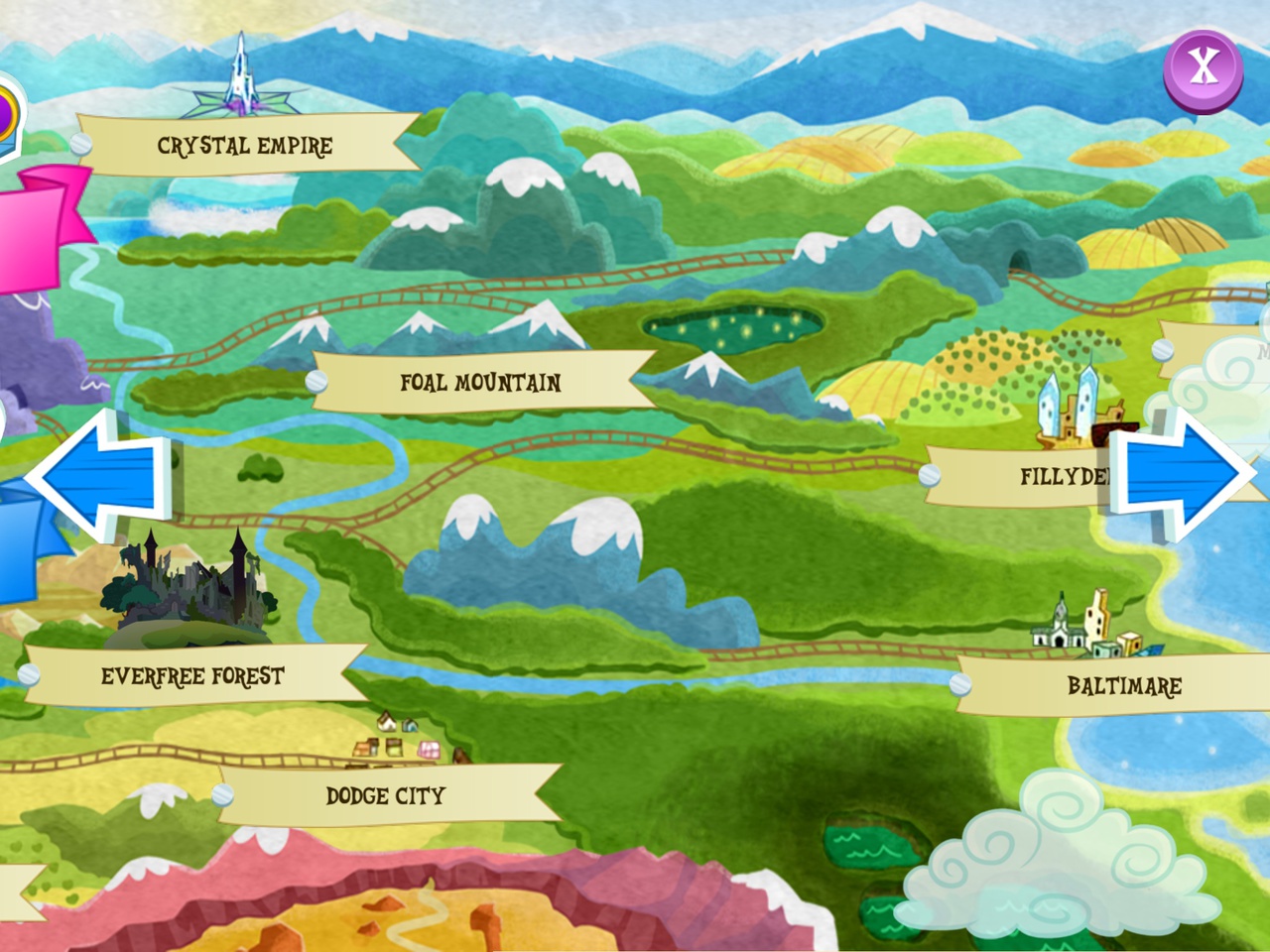
The rhythmic cadence of a sea shanty echoing from the docks of Baltimare has become an unlikely anthem for Equestria’s working class. What began as a solo performance by dockworker Sable Nightshade has since swept across social media platforms, igniting debates about labor rights, cultural identity, and the power of music to unite disparate communities. The viral ballad, titled “Tide Lines,” has been streamed over 2 million times in just three weeks, with its haunting melody and unflinching lyrics resonating deeply with dockworkers, maritime laborers, and even office clerks in Canterlot who have never set foot on a ship.
The song’s origins are as unassuming as its creator. Sable Nightshade, a 32-year-old mare with a reputation for hauling cargo with “the grit of a seasoned sailor,” first performed “Tide Lines” during a late-night shift at the Crescent Bay Terminal. According to her colleague, Copper Gauge, a crane operator with a penchant for jazz, the performance was “just a moment of frustration.”
“Sable was ranting about how the port bosses kept pushing us to work longer hours without overtime,” Gauge said. “She started humming this tune, and before she knew it, she was singing the whole thing. The crew just stood there, and then the next thing you know, the whole dock was clapping.”
The performance was captured by a passerby and uploaded to the Equestrian equivalent of TikTok, where it quickly gained traction. Within days, “Tide Lines” had been remixed into a dozen versions, with users adding everything from harmonies to dramatic sound effects. The song’s chorus—“We’re the tide lines, we rise with the waves, no matter the storm, we’ll never break”—has become a rallying cry for workers across Equestria, from the docks of Baltimare to the construction sites of Klugetown.
Sable herself is stunned by the response. “I just wanted to vent,” she said, her voice carrying the weariness of a mare who has spent decades hauling freight. “I never thought a few lines about overtime and broken equipment would mean so much to so many.”
The song’s rise to fame has not gone unnoticed by labor leaders. Penny Ledger, a union organizer from Manehattan, called the phenomenon “a cultural earthquake.” “This isn’t just about a song,” Ledger said. “It’s about workers reclaiming their voice. The lyrics are raw, unfiltered, and they hit hard. That’s why they’re resonating.”
But not everyone is celebrating. Some business owners in Baltimare have accused the song of inciting unrest. “It’s one thing to vent about long hours, but this is turning into a full-blown protest,” said Iron Press, a local shipping magnate. “If the port bosses start seeing this as a labor movement, they’ll have to negotiate. And that’s not in anyone’s interest.”
The controversy has only amplified the song’s reach. On the day of the “Tide Lines”’s 100,000th stream, a protest organized by dockworkers in Baltimare demanded better working conditions. The demonstration, which drew over 500 participants, was met with mixed reactions from the city’s governing body. Mayor Dusty Verdict, a former shipping executive, called the protest “a necessary step” but warned against “turning a labor dispute into a cultural war.”
Meanwhile, cultural analysts are dissecting the song’s broader implications. Bramble Stitch, a music critic from the Everfree Forest, noted that “Tide Lines” represents a shift in how Equestrian workers are portrayed in media. “For years, we’ve seen ponies in the spotlight as either heroes or villains,” Stitch said. “But Sable’s song is something else. It’s not about grand gestures or magical feats. It’s about the grind, the sweat, and the struggle. That’s rare.”
The song’s success has also sparked a wave of creativity. Musicians across Equestria are remixing “Tide Lines” to reflect their own struggles, from miners in the Dragon Lands to factory workers in Las Pegasus. Some have even turned the lyrics into protest signs, with phrases like “No More Broken Equipment” and “Overtime Isn’t a Bonus” appearing on banners at labor rallies.
Yet, the viral phenomenon is not without its critics. Some argue that the song’s rapid rise has overshadowed more pressing issues. “We can’t let a catchy tune distract us from the real problems,” said Crystal Empire official Luna Spark, a labor policy advisor. “If workers are struggling, we need concrete solutions, not just a viral song.”
Others, however, see the song as a catalyst for change. “This is what happens when people are given a platform,” said Sable Nightshade. “People can’t help but speak up when they’re ready. And when they do, the world listens.”
As the debate over “Tide Lines” continues, one thing is clear: the song has become more than just a piece of music. It is a symbol of resilience, a call to action, and a reminder that even in the most unassuming moments, voices can rise above the noise. Whether this moment marks the beginning of a labor movement or simply a cultural phenomenon remains to be seen. But for now, the tide lines are rising—and Equestria is listening.
---
END
The song’s cultural resonance has also spilled into the entertainment industry, with record labels and independent artists scrambling to capitalize on the phenomenon. Some have attempted to remix “Tide Lines” into pop hits, while others have reimagined it as a soundtrack for labor-themed films. However, Sable Nightshade has remained cautious about the commercialization of her work. “I didn’t write this to be a trend,” she said, her tone firm. “If people want to use it, they have to understand what it stands for. This isn’t just a song—it’s a statement.”
This stance has sparked a debate among Equestria’s music industry. Bramble Stitch, the Everfree-based critic, noted that the song’s authenticity has become a double-edged sword. “Artists are drawn to it because it’s raw, but that rawness also makes it vulnerable to exploitation,” Stitch said. “If someone tries to turn it into a corporate anthem, it risks losing its meaning. The real power is in its honesty.”
Meanwhile, the song’s popularity has created a ripple effect in labor activism. In the Dragon Lands, miners have begun using a modified version of “Tide Lines” as a work chant during shifts, while construction workers in Klugetown have adopted its chorus as a rallying cry during union negotiations. Even in Canterlot, where the working class has historically been less organized, the song has found a niche. “It’s not just about dockworkers anymore,” said Penny Ledger, the Manehattan union organizer. “This is a movement. People are starting to see that their struggles are interconnected, and that music can be a tool for solidarity.”
Yet, the viral phenomenon has not been without controversy. In Baltimare, some local business owners have accused the song of inciting unrest. Iron Press, the shipping magnate, warned that the song’s message could embolden workers to demand more than what is legally permissible. “The port bosses are already under pressure to improve conditions,” Press said. “If this song turns into a full-blown labor movement, it could disrupt the entire supply chain. That’s not in anyone’s interest.”
This sentiment has been echoed by some labor analysts, who argue that the song’s popularity may distract from more systemic issues. “We can’t let a catchy tune distract us from the real problems,” said Luna Spark, a labor policy advisor from the Crystal Empire. “Workers are struggling with wages, benefits, and working hours. If we focus too much on a viral song, we risk losing sight of the actual solutions.”
Despite these concerns, others believe the song has already sparked meaningful dialogue. “This is what happens when people are given a platform,” said Sable Nightshade. “People can’t help but speak up when they’re ready. And when they do, the world listens.”
The song’s impact has also extended to international labor movements. In Yakyakistan, a group of migrant workers has begun using a translated version of “Tide Lines” as part of their protests against exploitative labor practices. Similarly, in Griffonstone, a coalition of workers has adopted the chorus as a symbol of their resistance to corporate overreach. “This song is proof that even in a world where magic is common, the struggle for fair treatment is universal,” said a spokesperson for the Griffonstone labor federation.
As the debate over “Tide Lines” continues, one thing remains clear: the song has become more than just a piece of music. It is a symbol of resilience, a call to action, and a reminder that even in the most unassuming moments, voices can rise above the noise. Whether this moment marks the beginning of a labor movement or simply a cultural phenomenon remains to be seen. But for now, the tide lines are rising—and Equestria is listening.
---
END