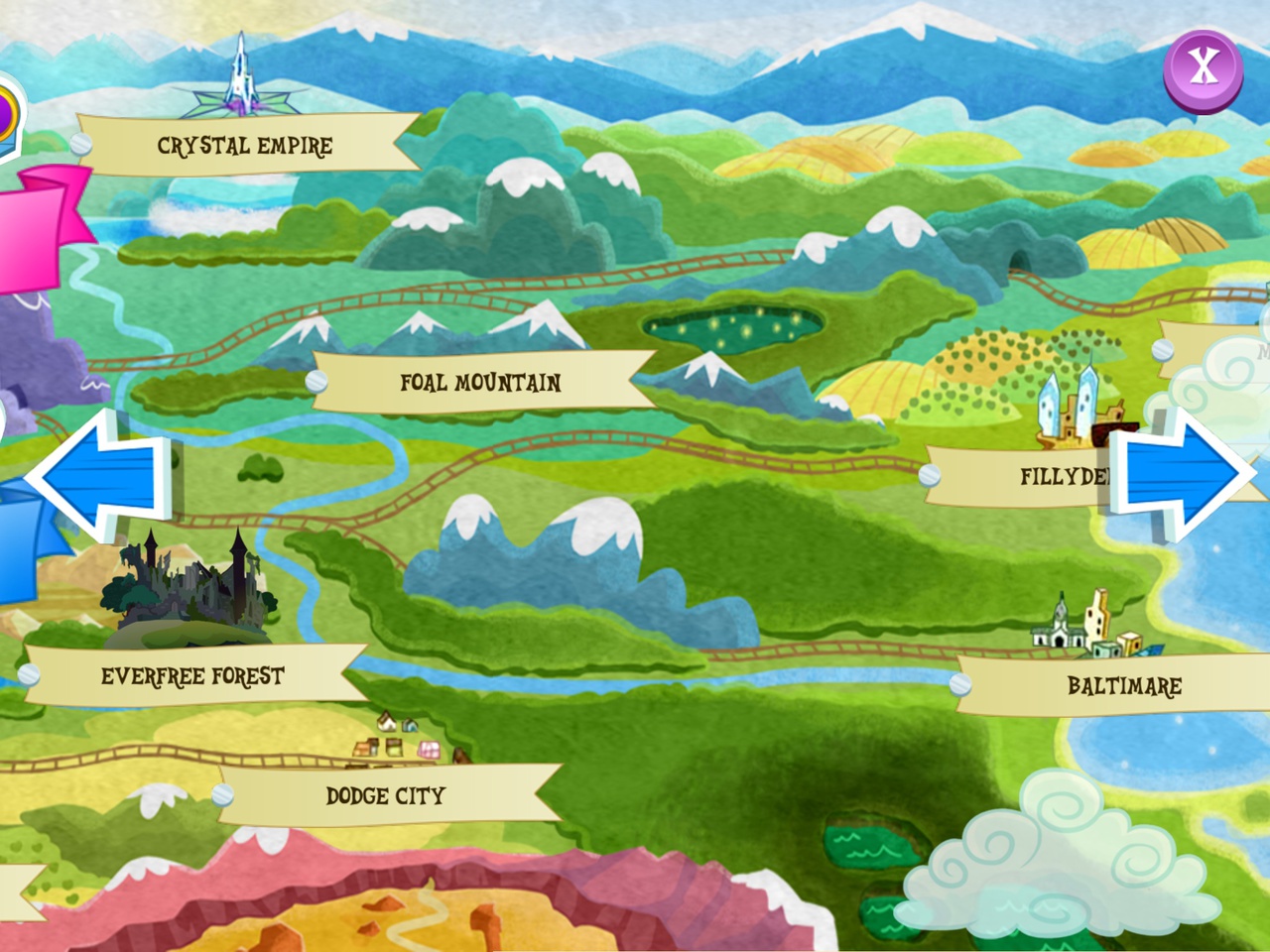
Baltimare’s docks, once a hub of grueling labor and simmering resentment, have become the epicenter of a cultural phenomenon. A sea shanty penned by dockworker Copper Gauge—a 32-year-old stallion with a reputation for stubbornness and a voice like a ship’s bell—has gone viral across Equestria, sparking both celebration and controversy. The song, “Hoist the Sails, Not the Prices,” blends maritime tradition with biting critiques of corporate greed, its lyrics echoing the frustrations of workers in a region where stall fees and rising costs have driven small farmers out of business.
The shanty’s rise began in late autumn, when Gauge performed it at a union rally in the shadow of the Sapphire Reach Terminal. Footage of the performance, captured by a freelance reporter named Penny Ledger, circulated online within hours. By mid-week, the clip had amassed over 2 million views, with fans from Manehattan to the Crystal Empire sharing it as both a rallying cry and a darkly humorous reminder of Equestria’s economic divides.
“Hoist the Sails, Not the Prices isn’t just a song—it’s a manifesto,” said Sable Nightshade, a music critic at the Canterlot Music Academy. “Gauge isn’t just singing about shipping costs; he’s weaponizing tradition to critique modern labor exploitation. The way he channels the old sailor’s rhythm while spitting lines like ‘Load the cargo, not the fines’ is genius.”
But not everyone is pleased. The Baltimare Port Authority has denounced the song as “a threat to maritime order,” while some business owners argue it’s a distraction from real issues. “We’re not here to sing about taxes,” said Dusty Verdict, a merchant in the Port’s bustling market district. “We’re here to trade. This song? It’s a distraction from the real problems—overregulation and union demands that make it harder to run a business.”
Gauge, however, insists the song is a reflection of his community’s struggles. “I didn’t write this for the Port Authority,” he said during an interview at his family’s modest dockside stall. “I wrote it for the guys who come in at dawn, hauling cargo while the bosses sit in their offices counting coins. This isn’t about politics—it’s about survival. If the song helps one worker get a raise, then it’s worth it.”
The shanty’s success has also reignited debates about the role of labor in Equestrian culture. Historically, sea shanties have been tools for coordination, not protest—but Gauge’s version subverts that tradition. “This is the first time I’ve seen a shanty used as a weapon against the system,” said Starlight Glimmer, a labor historian at the Maremere Institute. “It’s a sign that workers are finding new ways to organize, even if it’s through music.”
The viral phenomenon has also had tangible effects. Protesters in Baltimare have begun chanting the song’s lyrics during strikes, while union organizers in Manehattan have reportedly used it as a soundtrack for their rallies. Meanwhile, the Baltimare Port Authority has faced mounting pressure to address worker grievances, with some officials suggesting the song’s popularity could force real reforms.
Yet, the shanty’s impact extends beyond labor. Its blend of traditional melody and modern critique has sparked a broader conversation about Equestrian music’s evolution. “This isn’t just a labor song—it’s a cultural moment,” said Bramble Stitch, a songwriter from the Crystal Empire. “Gauge is part of a trend where artists are using old forms to address new issues. It’s a reminder that music isn’t just entertainment—it’s a mirror for society.”
Still, the song’s viral success has its skeptics. Some argue it’s a fleeting trend, a novelty that will fade as quickly as the tides. “Viral songs don’t solve anything,” said Iron Press, a columnist at the Ponyville Herald. “This one might be catchy, but it’s not a policy. Real change requires real action, not a few lines of poetry.”
But for Gauge, the song’s reach is proof that his community’s voice matters. “If this song gets one worker to think twice about their job, then it’s done its job,” he said. “And if it gets the Port Authority to listen? That’s even better.”
As the debate over the shanty’s legacy continues, one thing is clear: Copper Gauge’s song has become more than a viral hit. It’s a symbol of a generation of workers fighting for dignity in an economy that often overlooks them. Whether it leads to real change remains to be seen—but for now, the rhythm of “Hoist the Sails, Not the Prices” echoes through Equestria’s ports, a reminder that even in the darkest storms, voices can rise.
---
NEXT STEPS: The Port Authority’s response to the shanty’s popularity will be closely watched, with potential reforms expected by early spring. Meanwhile, the song’s influence on Equestrian music may inspire a new wave of protest anthems, reshaping the cultural landscape for years to come.