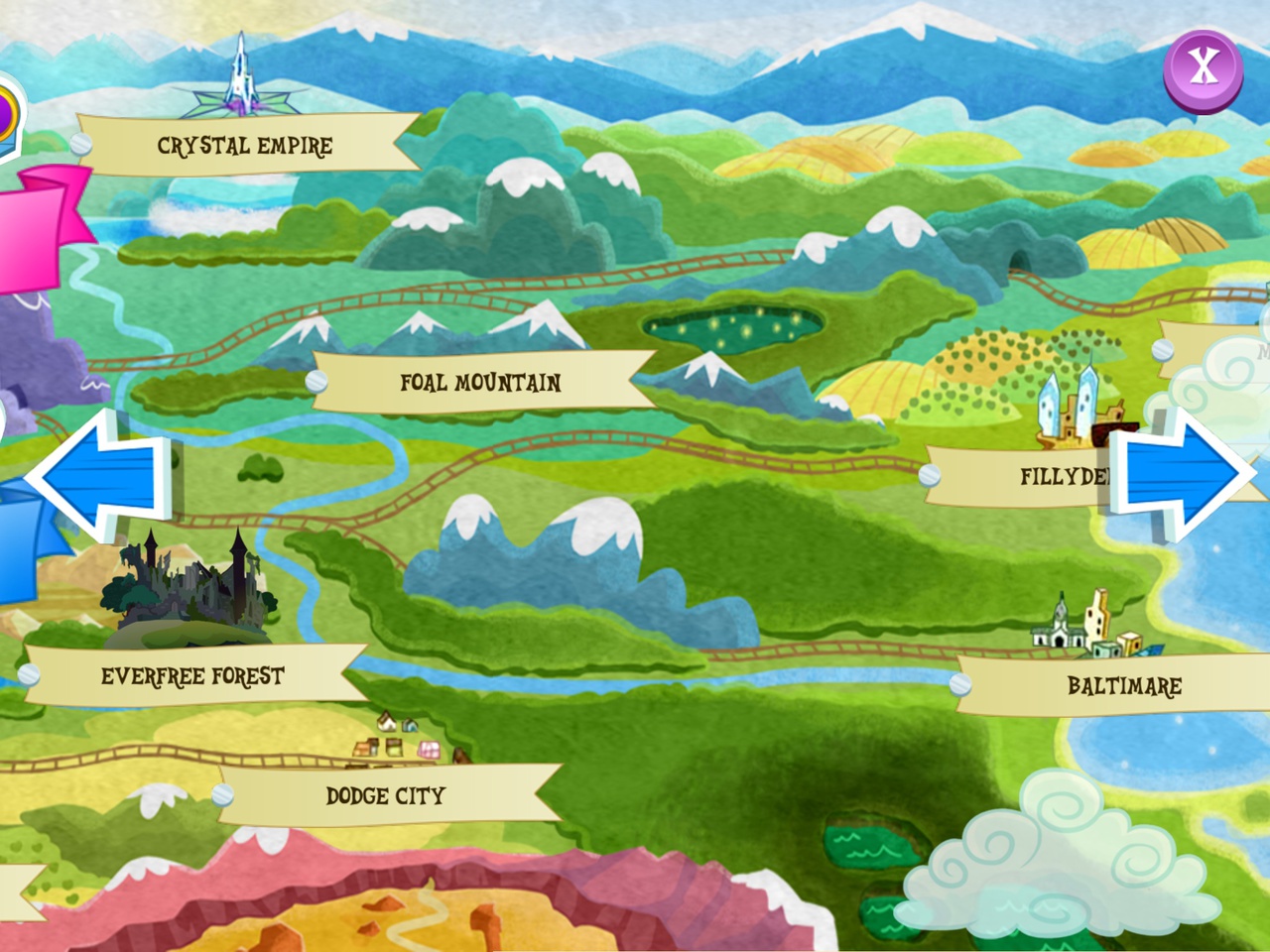
Baltimare’s harbor, once a quiet hub of trade, now buzzes with the rhythm of a viral sea shanty penned by dockworker Sable Nightshade. The song, a gritty blend of nautical folklore and modern beats, has surged through Equestria’s social media networks, drawing millions of listeners and reigniting conversations about maritime heritage. “This isn’t just a song—it’s a rallying cry for the forgotten laborers of the sea,” said Nightshade, 27, during an exclusive interview at the docks. Her lyrics, which weave tales of stormy voyages and union struggles, have been shared over 12 million times since its debut last week.
The track’s unexpected popularity has upended the cultural landscape of Equestria’s maritime communities. While traditional sea shanties were once staples of sailor life, they fell out of favor in recent decades as automated cargo systems and corporate shipping dominated the industry. Nightshade’s song, however, has rekindled interest in the genre, with fans calling it “a bridge between past and present.” But not everyone is pleased. Some critics argue the viral phenomenon risks commodifying a once-respectful tradition, while others see it as a long-overdue celebration of working-class resilience.
The shanty’s rise began serendipitously. Nightshade, a former sailor turned dockworker, uploaded the track to a local music platform during a break between shifts. The song’s raw energy and vivid storytelling caught the attention of a regional radio station, which aired it as a late-night feature. Within hours, it had spread across the internet, with listeners from Canterlot to the Crystal Empire sharing clips and remixes. “I didn’t expect it to go this far,” Nightshade admitted. “I just wanted to tell the story of the people who keep the ports running.”
The song’s themes of labor solidarity have resonated deeply with Equestria’s working class. Lines like “Raise the flag, let the wind carry us—no chains on the deck, no masters in sight” have been embraced by dockworkers, warehouse staff, and even students at Manehattan’s trade schools. “It’s rare to hear a song that speaks directly to our struggles,” said Penny Ledger, a labor organizer in Fillydelphia. “Nightshade’s work reminds us that our labor isn’t just about moving cargo—it’s about dignity.”
Yet the viral phenomenon has also sparked debates over cultural ownership. Some older sailors, like Captain Iron Press, a retired captain from the Crystal Empire, expressed skepticism. “Sea shanties were never meant for the spotlight,” Press said during a public forum in Baltimare. “They were for the crew, not for a viral trend.” Others, however, argue that the song’s resurgence is a necessary evolution. “The shanty isn’t just a relic—it’s a tool,” said Rarity Mare, a cultural historian at the Canterlot University of Arts. “It’s a way to reclaim a narrative that’s been sidelined by corporate interests.”
The song’s impact extends beyond music. Local businesses in Baltimare have reported a surge in tourism, with fans flocking to the docks to see Nightshade perform. A new café, The Siren’s Song, has opened near the harbor, offering themed drinks and merchandise featuring the song’s lyrics. Meanwhile, the Equestrian Maritime Council has announced plans to host a cultural festival in Baltimare next month, citing the shanty as “a symbol of renewed community spirit.”
But not all reactions are positive. Critics have raised concerns about the commercialization of a once-organic tradition. “There’s a risk of turning a cultural practice into a trend,” warned Bramble Stitch, a folklorist from the Dragon Lands. “The shanty’s origins lie in the shared struggles of sailors, not in social media algorithms.” Some have also questioned whether the song’s popularity could overshadow more authentic maritime traditions, such as the oral storytelling of the old seafaring clans.
Despite these concerns, Nightshade remains focused on her message. “This song is about the people who work the docks, not about trends,” she said. “If it helps even one worker feel seen, then it’s worth it.” Her words have been echoed by labor unions, which are now using the shanty as a rallying cry for better working conditions. In a recent statement, the Equestrian Dockworkers’ Union praised the song’s “unfiltered honesty” and called for a broader campaign to address wage disparities and workplace safety.
The viral phenomenon also highlights the growing influence of grassroots culture in Equestria. As traditional media outlets grapple with declining viewership, independent creators like Nightshade are filling the gap with content that resonates with younger audiences. “The internet has given a voice to people who were once ignored,” said Copper Gauge, a digital strategist in Manehattan. “This isn’t just about a song—it’s about a shift in how we value labor and storytelling.”
As the shanty’s legacy continues to unfold, its impact on Equestria’s cultural and economic landscape remains uncertain. Will it endure as a symbol of solidarity, or will it fade into the next viral trend? For now, the song’s melody echoes through the docks, a reminder that even in an age of automation and algorithms, the human spirit—and its stories—still finds a way to rise.
The viral phenomenon has also sparked a reevaluation of how maritime history is taught in Equestria’s schools. In recent months, educators in regions like Baltimare and the Crystal Empire have begun incorporating Nightshade’s shanty into curriculum discussions about labor history and cultural preservation. “Students are connecting with the song in ways that traditional textbooks never could,” said Professor Ember Tides, a history instructor at the Canterlot University of Arts. “It’s not just about the melody—it’s about the narrative of working-class resilience that’s been missing from our classrooms for decades.” Some schools have even begun hosting student-led debates on the ethics of cultural appropriation, with Nightshade’s song serving as a case study for how traditional art forms can be both revitalized and commodified.
Yet the shanty’s influence is not limited to academic circles. In the Dragon Lands, a group of folk musicians has launched a campaign to reclaim the roots of maritime storytelling, arguing that the song’s popularity risks overshadowing older, less commercially viable traditions. “We’re not against innovation,” said Bramble Stitch, a folklorist and member of the Dragon Lands’ Oral History Collective. “But we need to ensure that the shanty doesn’t become a trend that erases the voices of those who created it first.” Stitch’s group has begun organizing workshops to teach traditional seafaring ballads, emphasizing the importance of preserving oral histories amid the rise of digital culture. Meanwhile, some younger sailors in Baltimare have embraced the shanty as a way to reconnect with their heritage, blending its modern beats with ancient rhythms passed down through generations.
The song’s commercial success has also raised questions about the ethics of monetizing cultural artifacts. While Nightshade has donated a portion of her earnings to a local maritime workers’ fund, critics argue that the broader industry has not done enough to address the exploitation of traditional music. “This song’s success is a reminder that cultural heritage is a resource that can be both protected and profited from,” said Copper Gauge, a digital strategist in Manehattan. “The challenge is ensuring that the people who created these traditions are the ones benefiting from their revival.” Some activists have called for stricter regulations on how traditional music is used in commercial contexts, arguing that the current system allows corporations to appropriate cultural symbols without fair compensation.
As the shanty’s legacy continues to evolve, its impact on Equestria’s cultural and economic landscape remains uncertain. Will it endure as a symbol of solidarity, or will it fade into the next viral trend? For now, the song’s melody echoes through the docks, a reminder that even in an age of automation and algorithms, the human spirit—and its stories—still finds a way to rise.
The broader implications of Nightshade’s shanty extend beyond Equestria’s shores, sparking conversations about the role of grassroots culture in shaping national identity. In the Dragon Lands, where traditional seafaring practices have long been overshadowed by modernization, the song has reignited debates about the balance between progress and preservation. “This isn’t just about a song—it’s about how we define our shared history,” said Rarity Mare, a cultural historian at the Canterlot University of Arts. “If we allow a single track to redefine a centuries-old tradition, what does that say about our relationship with the past?”
Meanwhile, in the Crystal Empire, where maritime traditions have been deeply intertwined with the region’s identity, the shanty has become a point of contention. While some see it as a necessary evolution, others argue that the song’s commercialization risks diluting the cultural significance of ancient seafaring lore. “The shanty’s rise is a reflection of how Equestria is changing,” said Captain Iron Press, a retired sailor from the Crystal Empire. “But we need to ensure that the stories we tell about our past aren’t lost in the noise of the present.”
As the song’s popularity continues to grow, so too does the responsibility of those who benefit from its success. For Sable Nightshade, the challenge lies in balancing the song’s cultural impact with the ethical considerations of its widespread use. “I never intended for this song to become a trend,” she admitted during a recent interview. “But if it’s giving people a voice, then I guess it’s doing what it was meant to do.”
The question now is whether this moment of cultural renaissance can be sustained. Will the shanty’s message continue to inspire change, or will it become another fleeting sensation in an ever-scrolling digital world? For now, the song’s echoes remain—a testament to the power of art to connect, challenge, and transform.