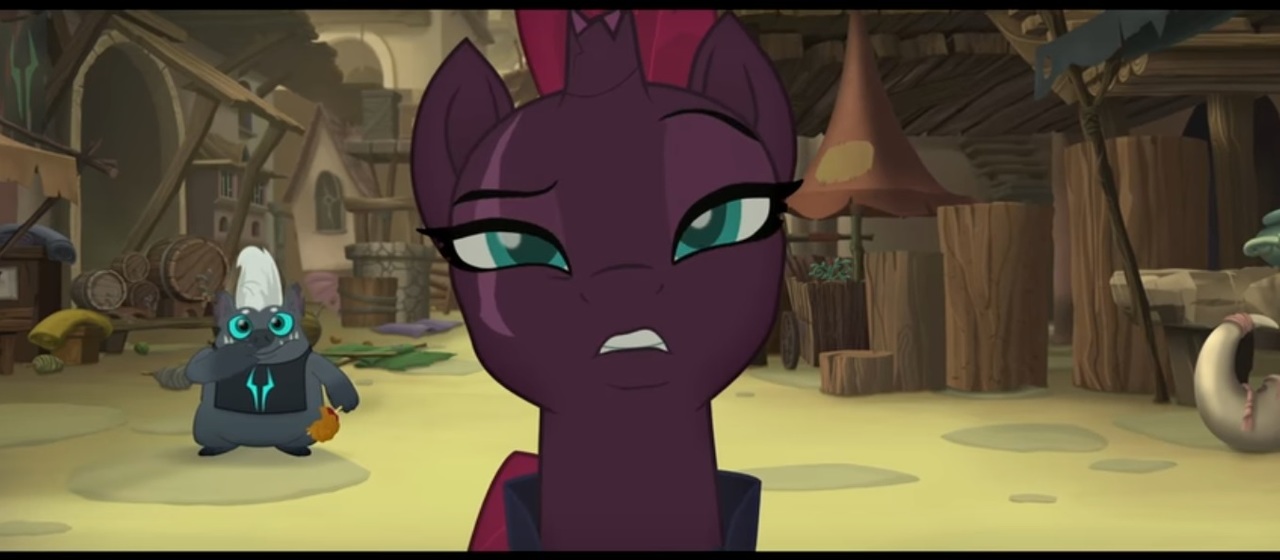
Klugetown’s border with the Yak territories has erupted into diplomatic chaos after a delegation of Yak trade officials abruptly walked out of a scheduled summit in the city’s central plaza. The walkout, triggered by a long-simmering dispute over mineral rights in the region’s contested highlands, has left Equestrian and Yak negotiators scrambling to salvage the fragile trade relationship. With tensions flaring and border patrols doubling overnight, the situation threatens to escalate into a full-blown crisis.
The summit, hosted by the Equestrian Trade Council in collaboration with the Yak Economic Alliance, was meant to finalize a landmark agreement on cross-border mineral extraction. But just hours before the scheduled signing, a contingent of Yak officials led by Deputy Trade Minister Kaelan Stormhoof stormed out of the venue, citing “unilateral Equestrian encroachment” on shared resources.
“This isn’t about trade—it’s about sovereignty,” Stormhoof declared in a press statement released by the Yak embassy. “Equestria has been quietly expanding its mining operations in the highlands for years, while our representatives were left to negotiate from the sidelines. We’re not signing a treaty that undermines our rights.”
The Equestrian delegation, led by Diplomat Elara Moonshadow, rejected the accusation as “bluster.” Moonshadow, a seasoned negotiator with decades of experience in inter-species diplomacy, called the walkout “unprecedented” and “disgraceful.”
“This summit was a chance to build trust, not stoke fears,” Moonshadow said during a press briefing. “We’ve offered concessions, including joint oversight of the highlands. The Yaks’ refusal to engage is not just a betrayal of diplomacy—it’s a threat to regional stability.”
The dispute dates back to a 2021 discovery of rare earth minerals in the highlands, a region both nations claim as part of their ancestral territories. Equestrian mining firms, backed by government incentives, began operations in the area last year, sparking protests from Yak environmental groups. The Yak Economic Alliance has since demanded a binding agreement to limit Equestrian extraction, but Equestria’s Trade Council has resisted, citing economic imperatives.
“This isn’t just about minerals—it’s about power,” said Tarnish Scale, a trade analyst at the Klugetown Economic Forum. “Equestria’s economy is heavily reliant on these resources, while the Yaks are trying to balance their own needs with their neighbors’ demands. The lack of compromise is a recipe for disaster.”
Public sentiment in both nations has grown increasingly polarized. In Klugetown, protests have swelled outside the embassy, with citizens demanding stricter border controls. “We’re not just protecting our resources—we’re protecting our future,” said Copper Gauge, a local miner and union leader. “If Equestria keeps pushing, we’ll have no choice but to take matters into our own hooves.”
Meanwhile, in the Yak capital of Snowflake, crowds have gathered outside the Equestrian embassy, chanting slogans against “resource theft.” “We’ve tolerated Equestrian presence for too long,” said Sable Nightshade, a Yak environmental activist. “This walkout is a sign we’re finally standing up for ourselves.”
The situation has also sparked concerns about regional security. Border patrols between Klugetown and the Yak territories have doubled, with reports of heightened checkpoints and increased military presence. A recent skirmish near the Redstone Ridge border, though minor, has already drawn condemnation from both sides.
“This is a clear warning sign,” said Mayor Dusty Verdict of Klugetown. “If we don’t find a resolution soon, we risk turning this into a full-scale conflict. The cost of inaction will be measured in lives, not just dollars.”
The Equestrian Trade Council has announced an emergency session to address the crisis, but with the Yak delegation refusing to participate, the prospects for a resolution remain slim. Meanwhile, the Yak Economic Alliance has hinted at withdrawing its own trade representatives from future negotiations, citing “unilateral Equestrian aggression.”
As the standoff continues, experts warn of the broader implications for Equestria’s foreign policy. With the Yak territories accounting for nearly 40% of Equestria’s mineral imports, a prolonged dispute could trigger supply chain disruptions and economic instability.
“This isn’t just a border dispute—it’s a test of Equestria’s ability to manage its relationships in a volatile region,” said Scale. “If they can’t resolve this, it could set a dangerous precedent for future negotiations.”
For now, the only certainty is that the diplomatic deadlock will take time to unravel. As Klugetown’s border tensions escalate, one question looms over the region: Will this dispute finally force Equestria to confront the costs of its resource-driven policies—or will it continue to prioritize profit over peace?