Canterlot Court — Equestria’s obsession with digital convenience has taken a surprising detour into the past. Sales of vinyl records have surged by 180% since last year, while quill-written letters — once relegated to dusty archives — now flood Ponyville’s postal hubs. This retro nostalgia wave, fueled by a growing distrust of digital media and a desire for tactile authenticity, is reshaping the nation’s cultural and economic landscape.
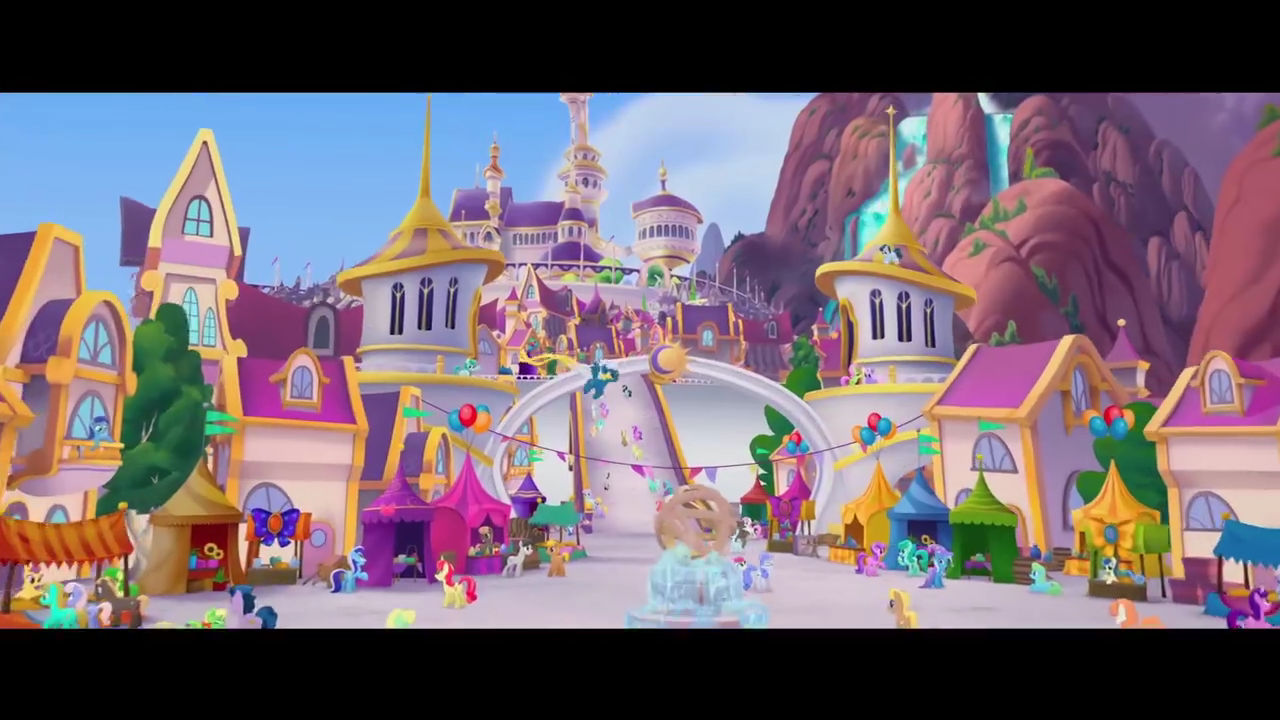
The trend, dubbed “Analog Awakening” by cultural analysts, has seen small-town bookstores in Ponyville and Canterlot quadruple their vinyl inventory, while quill suppliers in Fillydelphia report record-breaking demand. “There’s something visceral about holding a record sleeve or feeling the weight of a hand-inked letter,” said Rarity Hoof, a boutique owner in Manehattan. “It’s not just about the product — it’s about the ritual.”
The shift has disrupted the digital media sector, which once dominated Equestria’s entertainment and communication industries. Streaming platforms like PonyCast and Canterlot Media Group have seen a 12% decline in monthly subscribers, while physical record stores in Cloudsdale and Las Pegasus report profits rising for the first time in a decade.
A Cultural Reckoning
The retro movement isn’t just about commerce — it’s a cultural reckoning. Young ponies, disillusioned with the “glitchy” imperfections of digital media, are embracing analog’s imperfections. “I used to think vinyl was a relic,” admitted Spike Gravel, a 22-year-old student in Ponyville. “But now, I’ll trade my entire library of digital albums for a single handmade letter from my grandmother.”
This sentiment is echoed by historians and educators, who argue the trend reflects a broader critique of Equestria’s digital overreach. “We’ve outsourced memory to machines,” said Professor Dapplethorn, a cultural historian at the Canterlot University of Magic. “This isn’t just nostalgia — it’s a rebellion against the erasure of human touch in our daily lives.”
The phenomenon has also sparked debates over authenticity. While some celebrate the craftsmanship of hand-crafted letters and pressed records, critics warn of a potential commodification of the past. “We’re seeing a surge in ‘artisan’ quill makers and vinyl pressers, but many are just repackaging old trends for profit,” noted Tessa Ledger, an economics professor at the Crystal Empire’s Trade Academy. “The real question is: How long will this last?”
Economic Implications
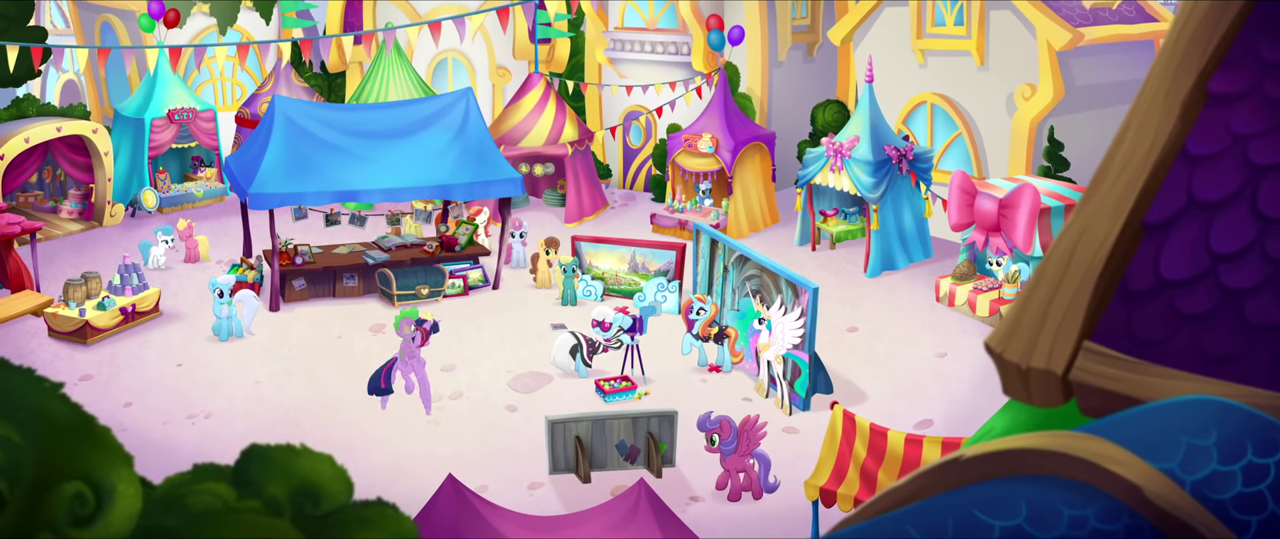
The revival has had tangible economic effects. In Ponyville, the local economy has seen a 25% increase in small business activity, with quill suppliers, record stores, and letterpress workshops thriving. “We’ve had to hire three new apprentices just to keep up with demand,” said Dancer Margin, owner of the Ponyville Quillworks. “It’s been a lifeline for our shop — and a reminder that even in a digital age, there’s value in the old ways.”
However, the trend hasn’t been without controversy. Digital media conglomerates, including the PonyCast Network, have lobbied for tax breaks and subsidies to counteract the loss of market share. Meanwhile, some younger ponies argue the movement is exclusionary. “I get it — analog has its charm — but not everyone can afford to buy a vintage quill or a $50 vinyl pressing,” said Copper Gauge, a freelance journalist in Manehattan. “This feels like a middle-class nostalgia bubble.”
The Future of Analog
As the retro wave gains momentum, experts are divided on its long-term viability. Some predict it’s a fleeting trend, while others see it as a cultural shift with lasting consequences. “This isn’t just about music or letters — it’s about how we engage with the world,” said Professor Dapplethorn. “If we can’t reconcile our love for digital convenience with a desire for authenticity, we risk losing both.”
For now, the trend shows no signs of slowing. In Canterlot’s Royal Archives, researchers are even exploring the possibility of digitizing historical quill letters for preservation — a move that has sparked protests from analog purists. “We’re not just fighting for records or letters — we’re fighting for a way of life,” said Rarity Hoof. “If we let digital take over everything, what will be left of us?”
As Equestria’s ponies navigate this cultural crossroads, one thing is clear: the past isn’t just coming back — it’s demanding a seat at the table. Whether this retro revival will endure or fade into another memory remains an open question.