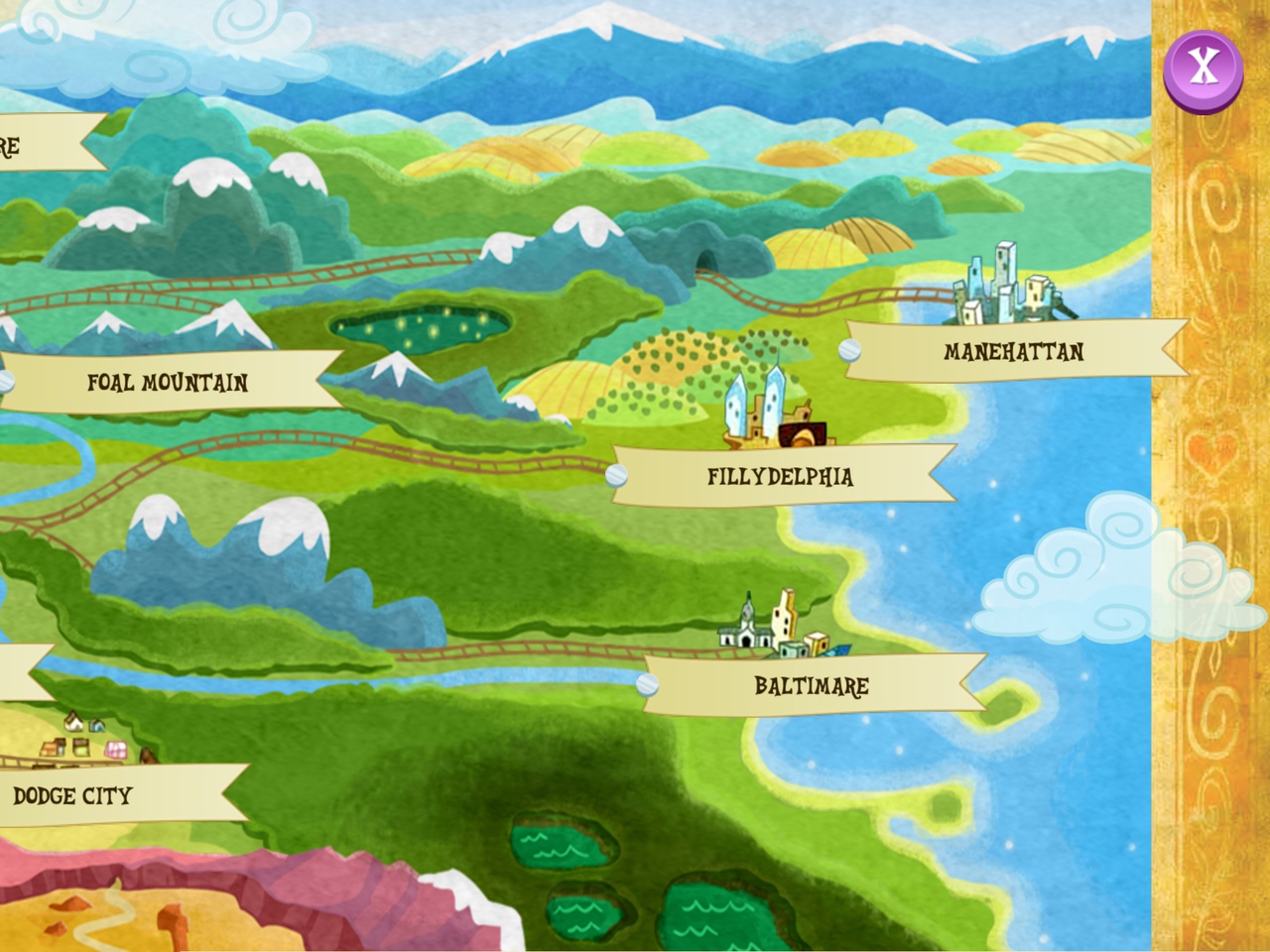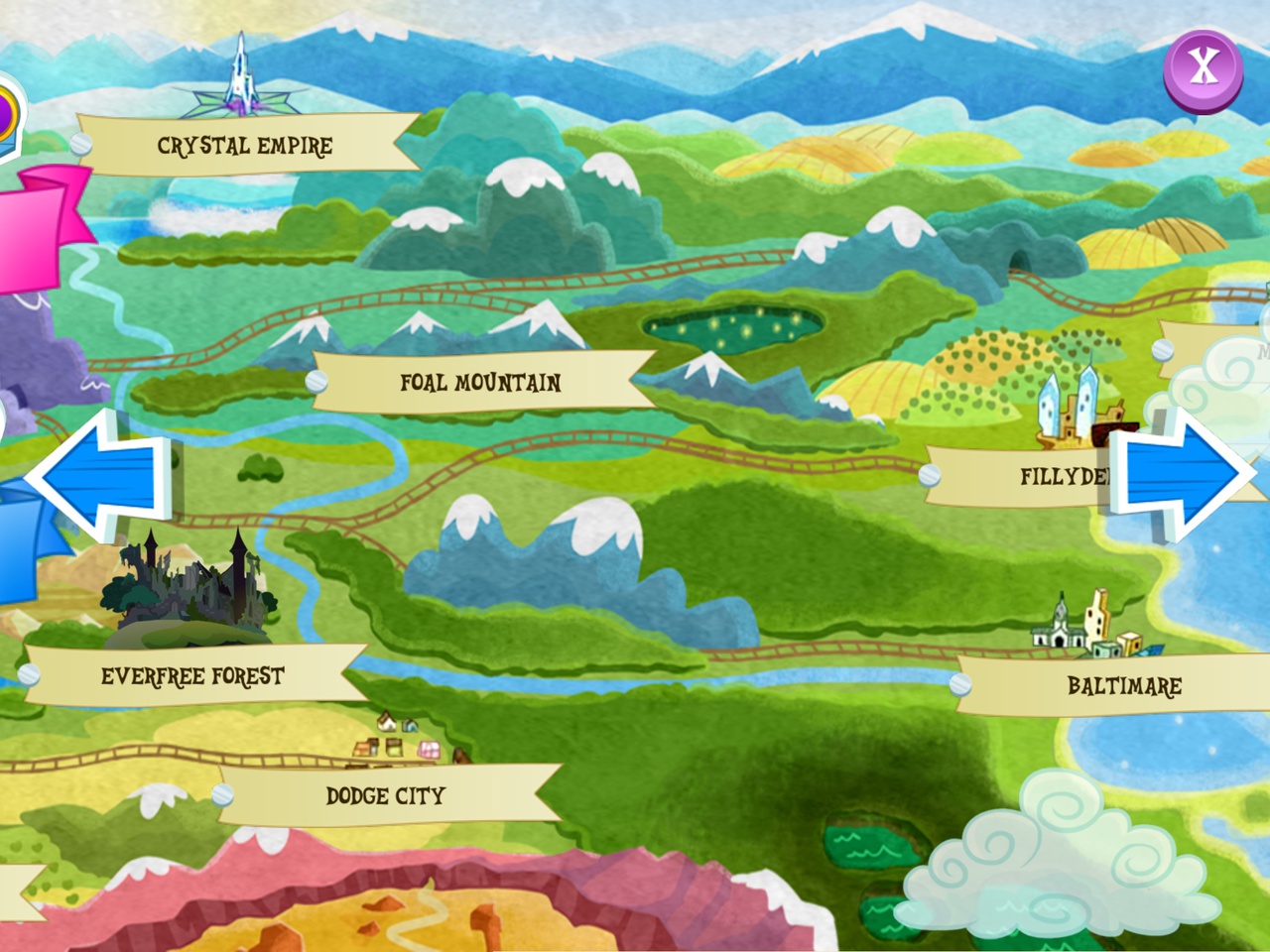
Baltimare’s $200 million harbor dredging project has ground to a halt, with environmentalists and developers locked in a bitter standoff over the potential impact on an elusive, endangered sea creature known as the Luminous Tunicata. The creature, a bioluminescent invertebrate with translucent, jellyfish-like tendrils, has become a flashpoint in a broader debate about balancing economic growth with ecological preservation.
The project, spearheaded by the Baltimare Port Authority, aims to deepen the harbor by 15 feet to accommodate larger cargo ships and boost trade. However, recent surveys revealed the presence of Luminous Tunicata colonies in the dredge zones, prompting the Equestrian Environmental Protection Agency (EEPA) to suspend permits. “This isn’t just about a few creatures—it’s about the entire ecosystem,” said Mira Shoal, a marine biologist and founder of the Baltimare Conservation Collective. “These organisms are keystone species; their decline could trigger a cascade of environmental failures.”
The Luminous Tunicata, whose glow is said to rival the auroras of the Everfree Forest, has been classified as critically endangered since 2021. Scientists believe their bioluminescence plays a critical role in attracting plankton, which forms the base of the coastal food chain. Yet, the port authority insists the dredging is essential for Baltimare’s economy, which relies on 70% of its revenue from maritime trade.
“Every day this project is delayed, we lose millions in potential tax revenue,” said Coral Tides, a senior port manager. “We’re not opposed to environmental safeguards, but we need practical solutions—not bureaucratic delays.”
The conflict has spilled into public forums, with protests erupting outside the EEPA headquarters and heated debates in the Baltimare City Council. Council member Misty Reef, a vocal advocate for sustainable development, called for a compromise: “We need a phased approach. Dredge in areas with lower biodiversity, and invest in artificial reefs to offset the damage. This isn’t a choice between growth and conservation—it’s about smart engineering.”
However, environmental groups argue that even “phased” dredging could disrupt the Luminous Tunicata’s delicate habitat. “These creatures are highly sensitive to sedimentation and noise pollution,” said Dr. Kelp Spore, a marine ecologist at the Crystal Empire Institute. “The vibrations from dredgers could disorient them, and the silt could smother their symbiotic algae. We’re talking about a species that’s already on the brink.”
The EEPA’s latest report, released last week, confirmed that the Luminous Tunicata’s population has declined by 42% since 2020, with the dredge zones identified as critical breeding grounds. The agency is now weighing whether to impose a complete moratorium on the project until mitigation measures are approved.
“This is a race against time,” said EEPA spokesperson Sable Nereus. “We’ve reviewed over 300 scientific studies, and the consensus is clear: the risks to the Luminous Tunicata are too high to ignore. We’re not shutting down the project, but we are demanding accountability.”
The port authority has rejected the moratorium, citing the economic fallout. “Baltimare’s economy is already struggling with rising shipping costs and competition from Manehattan,” said Tides. “We can’t afford to wait for perfect solutions.”
The dispute has also drawn scrutiny from international bodies. The Inter-Species Trade Alliance (ISTA) has called for an independent review of the project’s environmental impact, while the Griffonstone-based Oceanic Research Consortium has offered to deploy advanced sonar technology to map the Luminous Tunicata’s movements.
For now, the project remains in limbo. Local fishermen, who rely on the harbor’s currents for their livelihoods, are divided. “I’ve seen these creatures glow like stars in the deep,” said Iron Anchor, a third-generation dockworker. “But I also need to feed my family. If this project means jobs, I’ll support it—just not at the cost of wiping out an entire species.”
As the legal and scientific battles continue, the fate of the Luminous Tunicata—and the future of Baltimare’s harbor—hang in the balance. The question remains: can Equestria reconcile its thirst for progress with the imperatives of preservation? Or will the harbor’s depths become a graveyard for both cargo ships and a once-majestic creature?
---
Sources:
- Mira Shoal, founder of the Baltimare Conservation Collective
- Coral Tides, senior port manager at the Baltimare Port Authority
- Dr. Kelp Spore, marine ecologist at the Crystal Empire Institute
- Sable Nereus, EEPA spokesperson
- Iron Anchor, third-generation dockworker