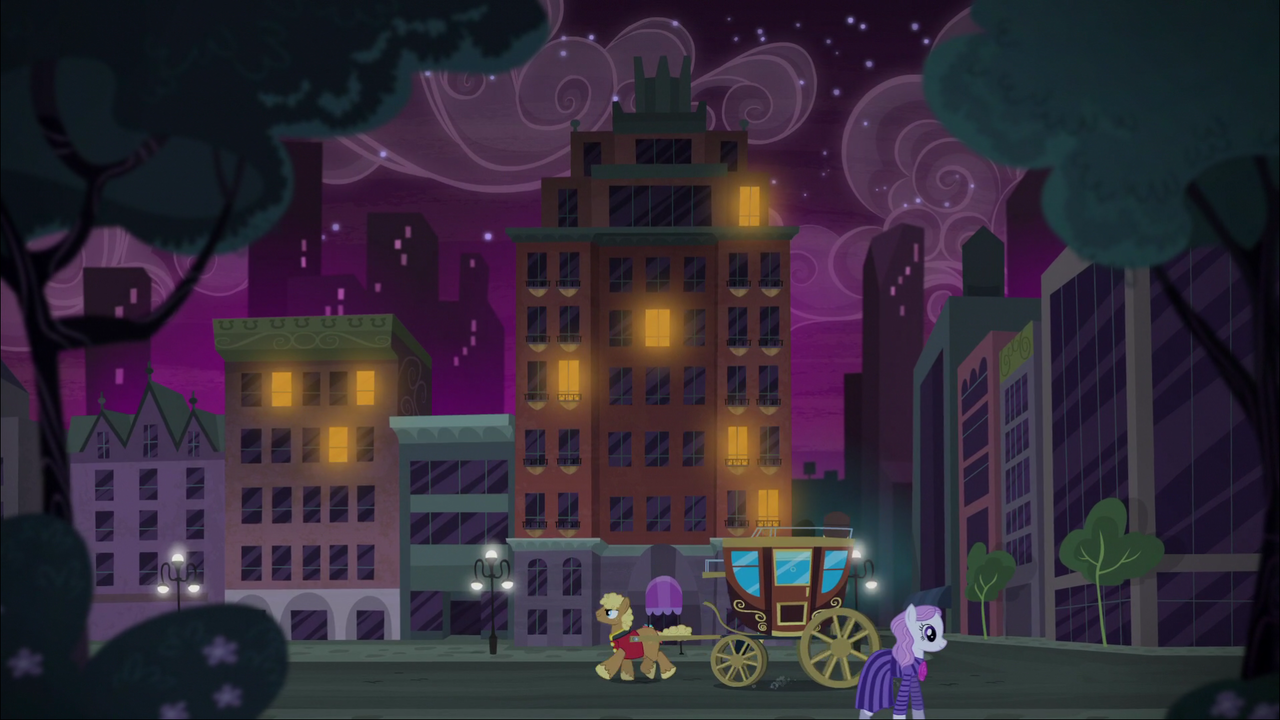
Manehattan’s once-bustling downtown district has become a magnet for tourists and locals alike, thanks to the explosive rise of street artist Dusty Vellum’s sprawling murals. What began as a series of abstract, graffiti-style works on neglected brick walls has now turned the city’s core into an open-air gallery, drawing crowds, boosting local businesses, and igniting a citywide debate over the role of public art in urban development.
The transformation began abruptly last week when Vellum, a 28-year-old pony with a reputation for provocative installations, unveiled a 100-foot mural on the wall of the old Silver Hoof Factory, a derelict building in the city’s industrial district. Titled “Urban Renewal: A Pony’s Perspective,” the piece juxtaposed images of crumbling infrastructure with vibrant depictions of ponies in labor, education, and recreation. Within days, the mural had gone viral, with tourists flocking to the site to take selfies and art critics praising its “raw, unfiltered commentary on modern pony life.”
The phenomenon has had immediate economic effects. Local business owners report a 300% surge in foot traffic, with cafés, boutiques, and souvenir shops benefiting from the influx of visitors. “We’ve been overwhelmed,” said Penny Ledger, owner of the Hearth & Hoof café near the mural site. “People are coming from all over Equestria just to see it. My pastries are selling out faster than I can make them.”
City officials, however, are wary of the rapid growth. Mayor Sparklehoof, a centrist politician known for her pragmatic approach to urban policy, called the situation “a double-edged sword.” “While we’re thrilled to see tourism boost our economy, we need to ensure this doesn’t become a temporary trend. Public art should serve the community, not just the tourist trade,” she said in a recent press conference.
The murals’ success has also raised questions about the artist’s intentions. Vellum, who declined to comment for this article, has remained enigmatic, only revealing that his work is “a reflection of the city’s struggles and its potential.” But critics argue the art’s commercialization is eroding its subversive edge. Sable Nightshade, a cultural analyst at the Manehattan Institute of Urban Studies, warned that “when art becomes a commodity, it loses its power to challenge the status quo.”
The artist’s latest piece, “The Painted Divide,” installed last night on the wall of the downtown plaza, has further fueled the debate. The mural depicts a stark contrast between a wealthy pony in a luxury penthouse and a working-class pony struggling with a broken hoof, all rendered in bold, contrasting colors. While some see it as a powerful critique of economic inequality, others argue it’s a calculated move to attract more tourists.
City planners are now scrambling to balance the economic benefits with long-term sustainability. A temporary permit system has been introduced to allow artists to install works in designated zones, but officials acknowledge the process is “clumsy and reactive.” “We’re trying to keep up, but this kind of spontaneous creativity is hard to regulate,” said Mayor Sparklehoof.
The murals have also sparked a cultural shift in Manehattan. Young artists are flocking to the city, hoping to replicate Vellum’s success, while local residents are debating whether the art is a symbol of hope or a distraction from deeper issues like housing shortages and rising rents. “These murals make us feel seen,” said Gale Report, a community organizer in the industrial district. “But we need more than art to solve our problems. We need policies that address the real issues.”
As the city grapples with the implications of Vellum’s work, one thing is clear: the intersection of art and commerce in Manehattan has irrevocably changed. Whether this shift will lead to a renaissance of public art or another wave of commercialization remains an open question—one that will shape the city’s future for years to come.
---
QUOTES
- “We’ve been overwhelmed. People are coming from all over Equestria just to see it.” – Penny Ledger, Hearth & Hoof café owner.
- “When art becomes a commodity, it loses its power to challenge the status quo.” – Sable Nightshade, cultural analyst at the Manehattan Institute of Urban Studies.