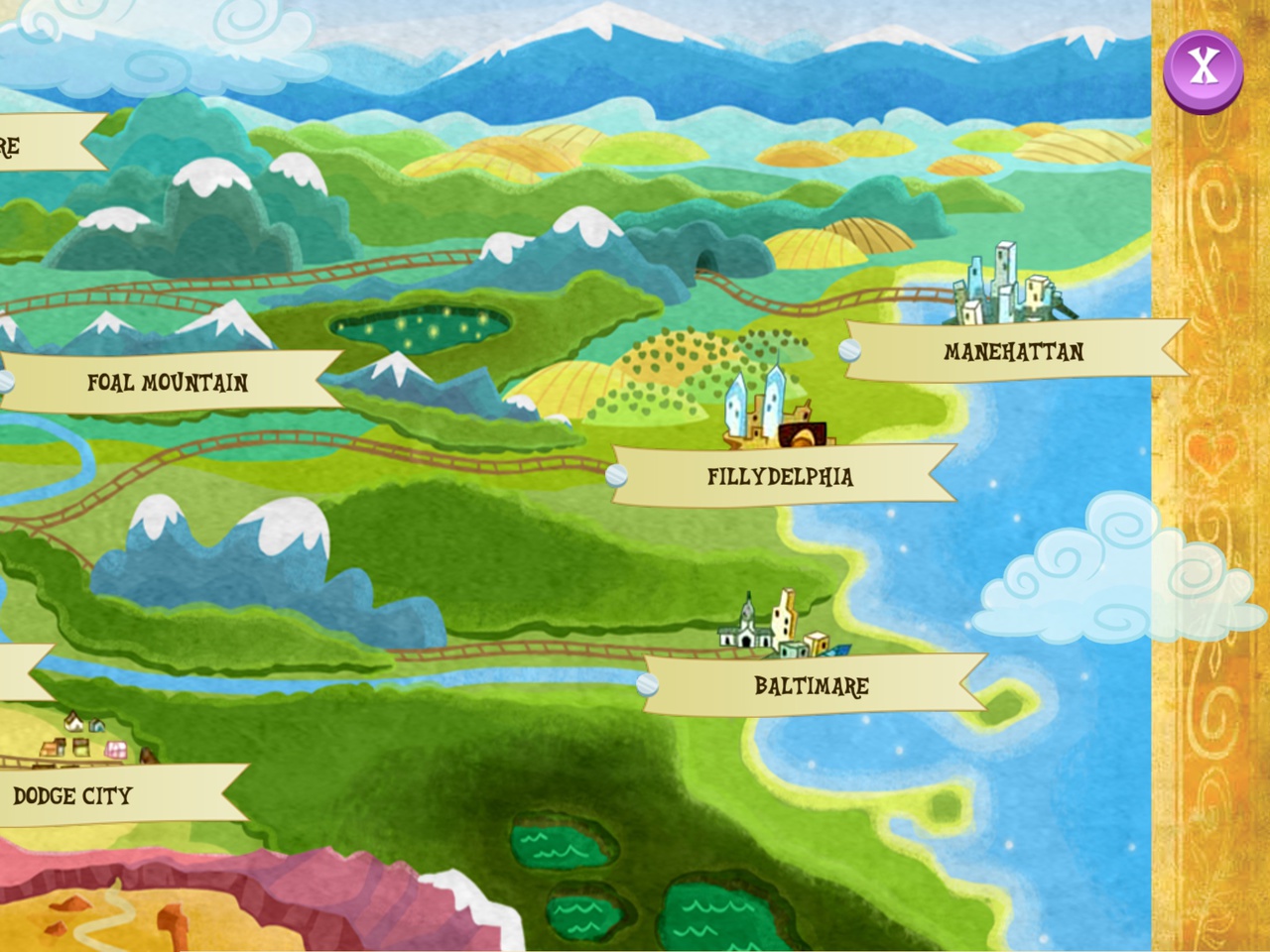
Mayor Starlight of the Crystal Empire, a staunch advocate for economic growth, finds herself at the center of a political storm after signing a contentious zoning agreement with Fillydelphia-based developers Bright Horizon. The deal, which permits the conversion of 200 acres of prime agricultural land into a luxury resort complex, has ignited widespread backlash from local residents, environmental groups, and opposition officials. With a recall petition gathering over 15,000 signatures, Starlight’s political future hangs in the balance as critics accuse her of prioritizing corporate interests over community welfare.
The agreement, finalized last month, allows Bright Horizon to rezone a swath of farmland in the Ember Valley district for high-end residential and commercial development. Proponents argue the project will create 500 jobs and inject millions into the local economy, but opponents warn it will erode food security and displace small-scale farmers. “This isn’t just about land—it’s about who gets to decide the future of our region,” said Thistlebrook, a third-generation farmer whose family has operated the Ember Valley Orchards for over a century. “These developers are paying lip service to the economy while siphoning resources from the people who actually grow our food.”
The controversy has deepened amid allegations of preferential treatment. According to a leaked internal memo obtained by OnlyMareNews, Starlight’s office expedited the approval process for Bright Horizon’s application, bypassing standard environmental impact reviews. “There’s a clear pattern of favoritism here,” said Duskwind, a council member from the opposition Harmony Party. “Mayor Starlight’s office has a history of fast-tracking projects for developers with deep pockets, and this is just the latest example. The public deserves transparency, not backroom deals.”
Bright Horizon’s CEO, Micaela Skyreach, dismissed the allegations as politically motivated. “We’re proud to invest in the Crystal Empire’s economy, and our project will bring long-term benefits to the region,” Skyreach said in a statement. “We’ve worked closely with local officials to ensure the development meets all regulatory standards. The farmers here have been given a voice in the process, and we’re committed to supporting the community through job creation and infrastructure improvements.”
The dispute reflects a broader tension in the Crystal Empire’s economy. While agriculture remains the backbone of the region’s GDP, rapid urbanization and foreign investment have reshaped land use policies in recent years. The Ember Valley, once a thriving hub for apple orchards and vineyards, now faces pressure to adapt to new economic realities. Yet for many residents, the transformation feels abrupt and exploitative. “We’ve seen our fields turn into parking lots before,” said Clover Stem, a local grocer and activist. “This isn’t the first time, and it won’t be the last unless we start holding our leaders accountable.”
Environmental advocates have joined the chorus of criticism, citing the potential ecological fallout of the resort project. The Ember Valley is home to several protected wetlands and is a critical habitat for the endangered Ember Moth, a species known for its iridescent wings and role in pollination. “This isn’t just about land—it’s about preserving a fragile ecosystem,” said Elara Mire, a spokesperson for the Verdant Guardians, an environmental watchdog group. “The developers are promising green spaces, but the reality is a concrete jungle with limited biodiversity. We’re already seeing signs of habitat fragmentation, and this deal could accelerate the decline of native species.”
The recall petition, spearheaded by a coalition of farmers, environmentalists, and civic groups, has gained traction on social media, where hashtags like #SaveEmberValley and #NoMoreZoningFavors trend daily. Public hearings scheduled for next week are expected to draw hundreds of attendees, with many demanding stricter oversight of land use policies. “The people of the Crystal Empire deserve a say in what happens to their land,” said Sable Nightshade, a community organizer. “This isn’t just about one project—it’s about the integrity of our democratic process. If we let developers write the rules, we’ll lose everything.”
Mayor Starlight has yet to comment publicly on the recall effort, though her office has issued a statement emphasizing her commitment to “balanced growth.” “The Crystal Empire must evolve to meet the needs of its citizens,” the statement read. “This project represents an opportunity to modernize our infrastructure while supporting local businesses. We’re confident in the decision and the process that led to it.”
Analysts suggest the recall vote could have far-reaching implications for the Crystal Empire’s political landscape. With the region’s economy increasingly dependent on foreign investment, the debate over land use has become a flashpoint for broader issues of corruption, inequality, and civic engagement. “This isn’t just about one mayor or one development,” said Professor Dorian Quill, an economics expert at the Crystal University. “It’s a symptom of a larger problem: how do we ensure that economic growth serves the people, not just the powerful? The answer isn’t clear, but the stakes are high.”
As the recall vote looms, the Crystal Empire stands at a crossroads. The Ember Valley’s fate, and the future of land use policy, will be decided not by corporate executives or political elites, but by the voices of everyday citizens. Whether the people can reclaim control of their land—and their democracy—remains an open question. For now, the debate rages on, with the Crystal Empire’s future hanging in the balance.