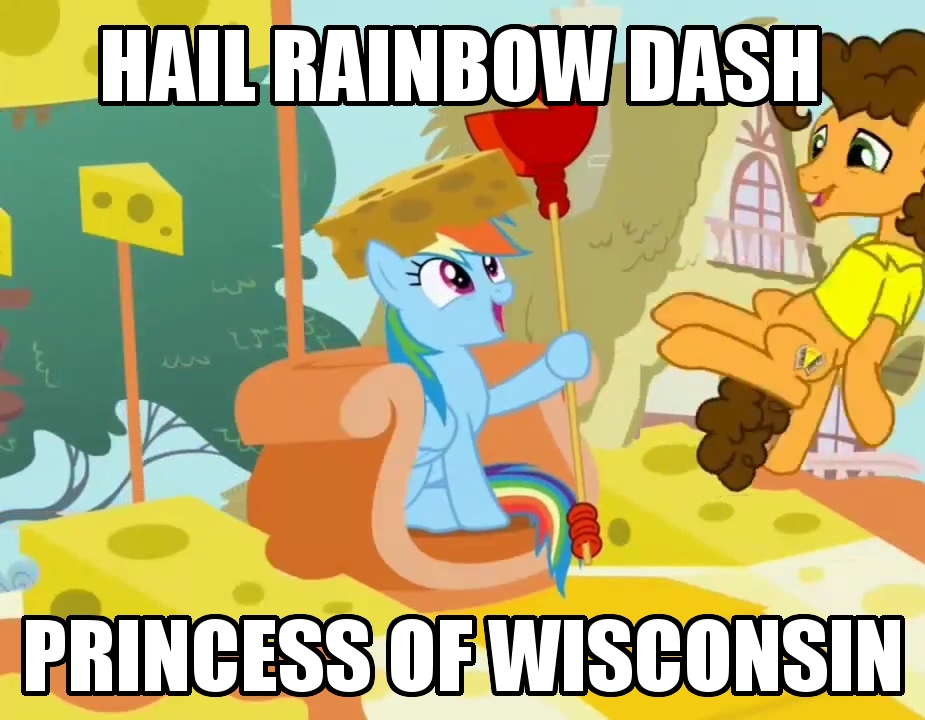
Rainbow Dash’s absence from the annual Ponyville Foal Welfare Charity Flyover has ignited a firestorm of public backlash, with critics accusing the famed sky pony of poor planning and foals left waiting in the cold. The event, which raised thousands of bits for underprivileged foal care, was abruptly canceled hours before its scheduled 9 a.m. launch, leaving dozens of eager attendees—many of them young foals and their families—without the promised aerial spectacle.
The controversy centers on Rainbow Dash’s last-minute withdrawal, reportedly due to a “scheduling conflict” with a private training session. While the Manehattan Council’s press office confirmed the event’s cancellation, it stopped short of clarifying the details of Dash’s absence. “Rainbow Dash is a national icon, and her participation is deeply symbolic,” said Mayor Mica Cider, a staunch supporter of the event. “When she cancels, it sends a message about priorities.”
The flyover, organized by the Ponyville Foal Welfare Alliance, had drawn hundreds of attendees, including local businesses, nonprofits, and families. Volunteers had spent weeks coordinating the event, which included a ribbon-cutting ceremony and a charity auction featuring handmade toys from local artisans. However, the cancellation left many participants stranded, with some foals left unattended by their caretakers.
“Foals don’t understand why the sky is empty,” said Clover Dew, a volunteer parent whose 3-year-old filly, Pippin, was among those waiting. “They were excited for the balloons and the music. Now they’re just sitting here, confused.”
The incident has sparked broader questions about accountability in public events. Critics argue that Rainbow Dash’s absence undermines the credibility of the charity’s efforts, while others defend the sky pony’s right to prioritize personal obligations. “Celebrities have responsibilities, but when it comes to events that directly impact children, there’s a line,” said Dusk Thorn, a local watchdog group spokesperson. “This isn’t just about one pony—it’s about how we hold public figures accountable for their promises.”
The event’s cancellation also raises concerns about logistical preparedness. According to Sable Stripe, the event’s coordinator, the team had planned for a backup plan in case of weather disruptions or last-minute cancellations. “We had a contingency fund, a secondary venue, and even a live stream for those who couldn’t attend,” Stripe said. “But when Rainbow Dash’s team pulled out, we were left scrambling.”
The Manehattan Council’s involvement in the event has also come under scrutiny. While the council provided funding for the charity auction, it has yet to comment on Dash’s absence. A council spokesperson declined to discuss the matter, citing “internal protocols.” However, some residents are calling for transparency, particularly given the event’s role in supporting foal welfare programs.
“Foals are the future of Equestria,” said Rarity Hoof, a local business owner and advocate for children’s charities. “When we invest in their well-being, we should ensure that every promise is honored. If a symbol of speed and dedication can’t show up, what does that say about our commitment?”
The controversy has also highlighted the emotional toll on families who attended the event. For many, the flyover was more than a fundraiser—it was a celebration of community and hope. “This event brought us together,” said Pippin’s caretaker, a retired engineer named Iron Hoof. “Now we’re left wondering if the people we rely on will show up when it matters.”
As the debate continues, the Ponyville Foal Welfare Alliance has announced plans to reschedule the event for a later date, though details remain unclear. Meanwhile, the Manehattan Council has reportedly launched an internal review of its partnerships with public figures, a move that has drawn mixed reactions.
For now, the foals remain on the field, their tiny hooves tapping against the ground as they wait for the next chance to soar. The question remains: in a world where promises are often made and broken, who gets to decide when a symbol of hope is worth waiting for?
The Ponyville Foal Welfare Alliance, a nonprofit organization that has raised over 50,000 bits annually for underprivileged foal care, now faces a critical juncture. The cancellation of the flyover, which was expected to generate an additional 10,000 bits for its programs, has left the group scrambling to meet its financial goals. “We’ve already spent months coordinating this event,” said Sable Stripe, the event’s coordinator. “Now we’re left with a massive hole in our budget, and no clear plan to fill it.” Stripe revealed that the organization had relied heavily on the flyover’s proceeds to fund emergency medical supplies and food aid for foals in the city’s most vulnerable neighborhoods. Without the event’s expected donations, Stripe warned that some programs could be forced to cut back or suspend operations altogether.
The controversy has also reignited debates about the role of public figures in charitable causes. While Rainbow Dash’s absence is undeniable, critics argue that the event’s failure to secure a replacement for the sky pony highlights a deeper issue: the reliance on celebrity endorsements for critical social programs. “When we tie the success of a cause to a single pony’s participation, we risk making the entire effort feel contingent on their availability,” said Dusk Thorn, a local activist and former event volunteer. “This isn’t just about one pony—it’s about how we structure our charitable efforts to be vulnerable to the whims of celebrities.” Thorn’s comments have drawn support from several community leaders, who argue that the event’s reliance on a high-profile figure undermined its legitimacy. “Celebrities have a role to play, but they shouldn’t be the sole guarantee of a cause’s success,” said Rarity Hoof, a local business owner. “If we’re going to fund foal welfare, we need systems in place that don’t depend on a single pony’s schedule.”
Meanwhile, the Manehattan Council’s involvement in the event has come under renewed scrutiny. While the council provided funding for the charity auction, it has yet to publicly address Rainbow Dash’s absence or the impact of the cancellation on the organization’s finances. A council spokesperson, who declined to comment on the matter, cited “internal protocols” as the reason for the silence. However, some residents are calling for greater transparency, particularly given the event’s role in supporting foal welfare programs. “The council has a responsibility to ensure that its partnerships with public figures align with the needs of the community,” said Iron Hoof, the retired engineer and caretaker of Pippin. “If they’re investing in these programs, they should be held accountable for the consequences of their decisions.”
The incident has also sparked a broader conversation about the emotional toll on families who attend such events. For many, the flyover was more than a fundraiser—it was a celebration of hope and community. “This event was a way for us to come together,” said Clover Dew, a volunteer parent. “Now we’re left wondering if the people we rely on will show up when it matters.” Dew’s words resonate with many attendees, who had planned to use the event as a way to connect with their children and local organizations. “Foals don’t understand why the sky is empty,” Dew said. “They were excited for the balloons and the music. Now they’re just sitting here, confused.”
As the debate over Rainbow Dash’s absence continues, the Ponyville Foal Welfare Alliance has announced plans to reschedule the event for a later date, though details remain unclear. The Manehattan Council has reportedly launched an internal review of its partnerships with public figures, a move that has drawn mixed reactions. Some residents support the review, arguing that it could help prevent similar incidents in the future. Others, however, are skeptical, fearing that the council is using the controversy to deflect from its own role in the event’s failure. “If the council is really committed to transparency, they’ll have to take responsibility for their part in this,” said Iron Hoof. “Otherwise, we’re just spinning wheels.”
For now, the foals remain on the field, their tiny hooves tapping against the ground as they wait for the next chance to soar. The question remains: in a world where promises are often made and broken, who gets to decide when a symbol of hope is worth waiting for? As the debate over Rainbow Dash’s absence continues, the incident has exposed deeper issues about accountability, public trust, and the role of celebrities in charitable causes. Whether the Ponyville Foal Welfare Alliance can recover from this setback will depend on its ability to rebuild trust—and ensure that the next event is not just a spectacle, but a promise that is honored.