Rainbow Dash’s absence from the annual Ponyville Foal Care Flyover left dozens of young ponies stranded on the field, sparking outrage among residents and raising questions about the athlete’s accountability. The event, organized by the Ponyville Foal Welfare Association, was meant to raise funds for underprivileged foals and showcase the city’s equestrian spirit. But when the Thunderbolt’s signature aerial display was canceled hours before the scheduled 3 p.m. start, hundreds of foals and their guardians were left waiting in the open, their hopes dashed by what many called a “disgraceful lapse in civic duty.”
The incident unfolded on a crisp Saturday afternoon, with the Ponyville Field packed with families, veterinarians, and local businesses eager to contribute to the cause. The flyover, a staple of the city’s annual charity calendar, had drawn thousands over the years, with Rainbow Dash’s high-speed maneuvers becoming a symbol of hope for foals in need. But this year, the event was abruptly scrapped, leaving the field eerily quiet save for the whine of wind turbines and the occasional neigh of a restless foal.
“It’s not just about the flyover—it’s about the message,” said Twilight Luster, a local event organizer and former Ponyville City Council member. “When a symbol of our community’s values cancels at the last minute, it sends a signal that the needs of the young are secondary to personal convenience. That’s unacceptable.”
Luster’s comments echoed concerns raised by parents and volunteers who had spent weeks preparing for the event. The Foal Care Flyover, which had raised over 50,000 bits in previous years, was critical for funding emergency medical care, nutritional supplements, and temporary housing for foals from the Everfree Forest. With the cancellation, the association’s funding goals were now in jeopardy, and the stranded foals faced the prospect of an uncertain afternoon.
“This isn’t just about a missed flight—it’s about broken promises,” said Apple Bloom, a single mother who had brought her three-month-old filly, Sweet Pea, to the field. “I’ve been volunteering here for two years. We all put in hours to make this happen. Now, after everything, Rainbow Dash walks away?”
Apple Bloom’s frustration was shared by many. The event’s cancellation came just hours after the city’s weather forecast had predicted clear skies, and no official explanation was given for the last-minute decision. Rumors quickly spread that Rainbow Dash had been “unavailable due to a family emergency,” but no confirmation was provided. The lack of transparency fueled speculation, with some accusing the athlete of prioritizing her own schedule over the community’s needs.
“This is a slap in the face to every pony who worked to make this event possible,” said Rarity Hoof, a local business owner and critic of the event’s cancellation. “Rainbow Dash is a national icon, but even icons have to answer for their actions. If she’s too busy to show up, then maybe she’s not the role model we think she is.”
The controversy quickly spilled into social media, where hashtags like #FoalCareFirst and #WhereIsRainbowDash trended across Ponyville’s virtual platforms. Some ponies called for a formal investigation into the incident, while others demanded accountability from the athlete’s management team. The Ponyville City Council, meanwhile, issued a statement urging calm, though its words did little to quell the growing unrest.
“We understand the disappointment, but we also recognize that Rainbow Dash’s team has faced unprecedented challenges this season,” said Mayor Silver Hoof in a press release. “We’re working with the Foal Welfare Association to find a way to salvage the event’s impact.”
But for many, the damage was already done. The stranded foals, many of whom had waited hours in the sun, were left without clear guidance or support. Volunteers scrambled to provide blankets and snacks, but the absence of a high-profile figure like Rainbow Dash left the event feeling incomplete.
“This is supposed to be about the foals, not the stars,” said Spike, a volunteer coordinator who had been managing the event’s logistics for months. “We’ve got a crisis on our hands, and the last thing we need is for the focus to shift to who’s missing.”
The incident has also reignited debates about the role of celebrities in public service. While some argue that figures like Rainbow Dash should be celebrated for their contributions, others believe their influence comes with a responsibility to uphold community values.
“Celebrities have a platform, and that platform should be used for good,” said Luster. “If Rainbow Dash wants to be a role model, she needs to act like one. This isn’t just about a flyover—it’s about the kind of leader she chooses to be.”
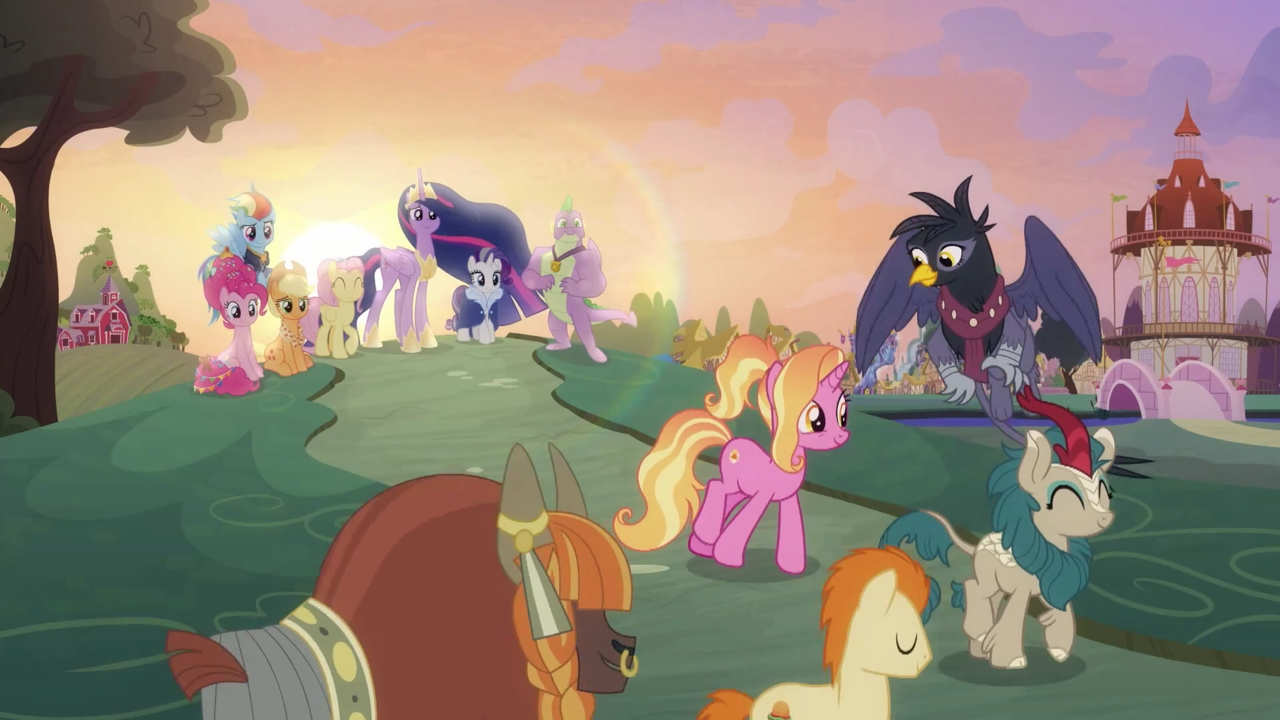
As the sun set over Ponyville, the field remained a mix of hope and frustration. Some ponies began to organize a spontaneous fundraiser to compensate for the lost funds, while others called for a review of the event’s planning process to prevent future missteps. For now, the foals waited, their small hands clutching bits and their eyes fixed on the sky, hoping for a sign that the community’s commitment to their welfare would not be overshadowed by a single missed flight.
The broader implications of the incident remain unclear, but one thing is certain: the event’s cancellation has left a mark on Ponyville, reminding all who were there that even the brightest stars can cast shadows when they fail to shine.
The incident has also sparked a broader conversation about the ethics of celebrity involvement in public service. While Rainbow Dash’s absence was a shock, it has reignited debates about whether public figures should be held to the same standards as ordinary citizens. “Celebrities are not immune to criticism,” said Spike, the volunteer coordinator, who has worked with the Foal Welfare Association for over a decade. “But when they take on roles that affect real lives, they need to be accountable. This isn’t just about a flyover—it’s about the kind of leadership we expect from those who inspire us.”
The Foal Welfare Association, which has been a cornerstone of Ponyville’s community efforts for over a decade, now faces the challenge of salvaging the event’s impact. Earlier in the day, organizers had begun distributing emergency supplies to the stranded foals, but the absence of a high-profile figure like Rainbow Dash left many feeling that the event’s symbolic value had been lost. “We’ve got a crisis on our hands,” said Rarity Hoof, who had been coordinating donations for the association. “The foals are here, but without the community’s collective pride, we’re losing the very thing this event was meant to represent.”
Some local businesses have stepped in to help. The Ponyville Market, a long-standing hub for charity drives, pledged to match any donations made in the next 48 hours. “We can’t let one missed flight undo everything these foals need,” said Silver Hoof, the market’s owner. “If Rainbow Dash wants to be a role model, she needs to show up for the cause, not just the spotlight.”
Meanwhile, the event’s cancellation has raised questions about the reliability of public figures in organizing community events. The Foal Care Flyover had been a symbol of unity for years, with every pony from the Everfree Forest to the Crystal Empire contributing to its success. Now, with the event’s future uncertain, some are calling for a reevaluation of how such initiatives are managed. “We can’t let one person’s absence define the entire event,” said Twilight Luster, who has long advocated for greater transparency in community organizing. “If we’re going to rely on celebrities to lead these efforts, we need to have contingency plans in place. Otherwise, we’re setting ourselves up for failure.”
The controversy has also drawn attention from local officials, including Ponyville City Council members who are now considering stricter guidelines for public events involving celebrities. “This isn’t just about Rainbow Dash,” said Councilmember Iron Press, a longtime advocate for community engagement. “It’s about ensuring that our events reflect the values we hold dear—responsibility, accountability, and service. If we’re going to use public figures to drive our initiatives, we need to ensure they’re prepared to follow through.”
For the stranded foals, however, the immediate concern remains their well-being. While volunteers have provided blankets, snacks, and temporary shelter, the lack of a structured plan has left some families in distress. “I’m worried about my foal,” said Apple Bloom, who had brought her three-month-old filly, Sweet Pea, to the event. “She’s been waiting for hours, and I don’t know if she’s safe. This isn’t just about the money—it’s about the promise we made to these foals.”
As the sun set over Ponyville, the field remained a mix of hope and frustration. Some ponies began to organize a spontaneous fundraiser to compensate for the lost funds, while others called for a review of the event’s planning process to prevent future missteps. For now, the foals waited, their small hands clutching bits and their eyes fixed on the sky, hoping for a sign that the community’s commitment to their welfare would not be overshadowed by a single missed flight.
The broader implications of the incident remain unclear, but one thing is certain: the event’s cancellation has left a mark on Ponyville, reminding all who were there that even the brightest stars can cast shadows when they fail to shine. As the community grapples with the aftermath, the question remains: how can public events be structured to ensure that the needs of the people—rather than the stars—take center stage? For now, the answer lies in the hands of those who refuse to let a single missed flight define the future of their efforts.