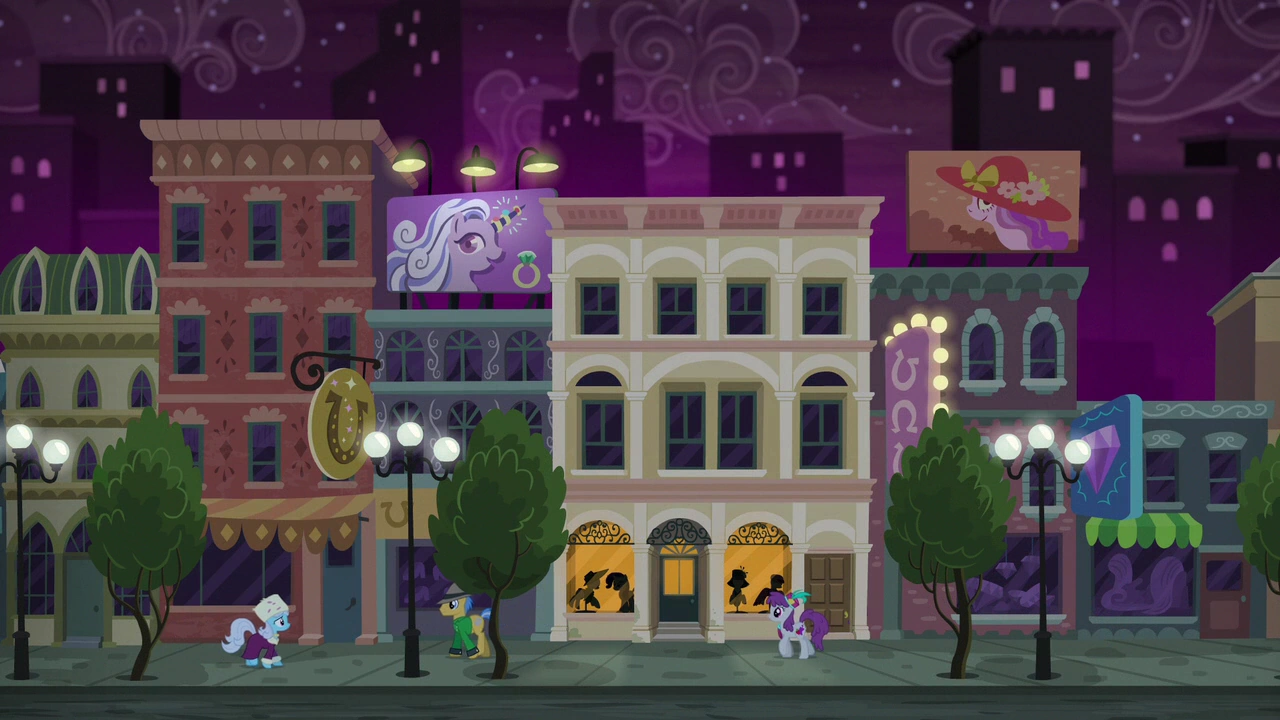
Manehattan’s once-vibrant downtown district is gripped by fear as a third arson incident in a month has left residents scrambling for answers. The latest blaze, which scorched the facade of the Starlight Arcade on 12th Avenue, has intensified calls for transparency and security measures, with many blaming the city’s recent surge in protest activity. Firefighters arrived within minutes of the 2 a.m. call, but the flames had already consumed the building’s exterior, leaving the iconic neon sign dangling precariously.
The arson, which marks the third such incident since mid-July, has left the neighborhood in a state of unease. “This isn’t just about property damage—it’s about safety,” said Dusk Tannery, a local boutique owner whose shop was spared but whose windows were shattered by the fire’s explosion. “People are scared to leave their homes. We’ve had two more incidents since the protests started, and no one knows who’s behind it.”
Fire official Ember Voss, a veteran with the Manehattan Fire Department, confirmed the pattern: “The fires are all in high-traffic areas, and they’re escalating in scale. The first two were small, but this one... it’s a warning.” Voss declined to speculate on connections to the city’s recent protests, which have been focused on housing inequality and corporate tax reform. “We’re treating each case separately, but we’re also aware of the broader context,” she said.
The first arson, which targeted a vacant storefront on 8th Street in early July, was initially dismissed as a prank. The second, a deliberate torching of a graffiti-covered wall near the Central Plaza, drew accusations of vandalism. But the Starlight Arcade fire has shifted the narrative. The building, a historic landmark, is now a crime scene, with police cordoning off the area and interviewing witnesses.
Among the most vocal critics is Sable Nightshade, a community organizer who has been documenting the incidents on her public forum, The Manehattan Pulse. “These fires aren’t random. They’re a message,” Nightshade said, her voice tight with frustration. “The city’s ignoring the anger of its people, and now they’re paying the price. Who’s funding these attacks? Who’s behind them?”
Local authorities have launched a task force to investigate, but residents are skeptical. Mayor Penny Ledger, whose administration has faced backlash over its handling of the protests, issued a statement: “We are committed to protecting our citizens and will not tolerate acts of violence. Our investigators are working around the clock to identify those responsible.” Yet Ledger’s words have done little to quell the growing distrust.
The protests, which began in late June, were initially peaceful but have since escalated. Demonstrators have clashed with police on multiple occasions, and several arrests have been made. While some argue the protests are a justified response to rising rents and corporate greed, others see them as a destabilizing force. “This city is a melting pot, but when people start burning buildings, it’s a sign of deeper problems,” said Mayor Ledger’s chief of staff, Copper Gauge. “We need to address the root causes, not just the symptoms.”
The fire’s timing has also raised questions about the city’s emergency response. The Starlight Arcade blaze came just days after a major power outage left parts of Manehattan without electricity for hours. “It’s like the city is breaking down,” said Tannery. “First the blackout, now the fires. Who’s looking out for us?”
Investigations into the arson incidents have uncovered troubling gaps in the city’s security infrastructure. A recent audit revealed that Manehattan’s surveillance network, which includes magical wards and enchanted cameras, is outdated and underfunded. “We’ve been told for years that our systems are insufficient,” said Fire Department spokesperson Spike Horn. “But now we’re seeing the consequences.”
Some residents are calling for immediate action, including increased police presence and stricter penalties for arson. Others are demanding accountability for the city’s handling of the protests. “If the government won’t protect us, who will?” asked Nightshade. “We’re not asking for violence—we’re asking for justice.”
As the investigation continues, the neighborhood remains on edge. Businesses are considering installing fire barriers, and some families have begun storing valuables in safer locations. The city’s response will be closely watched, but for now, the message is clear: Manehattan is not just burning buildings—it’s burning its own future.
What’s next? Will the city crack down on the protests, or will the fires escalate further? And who, exactly, is behind these attacks? The answers remain elusive, but one thing is certain: the streets of Manehattan are no longer safe.