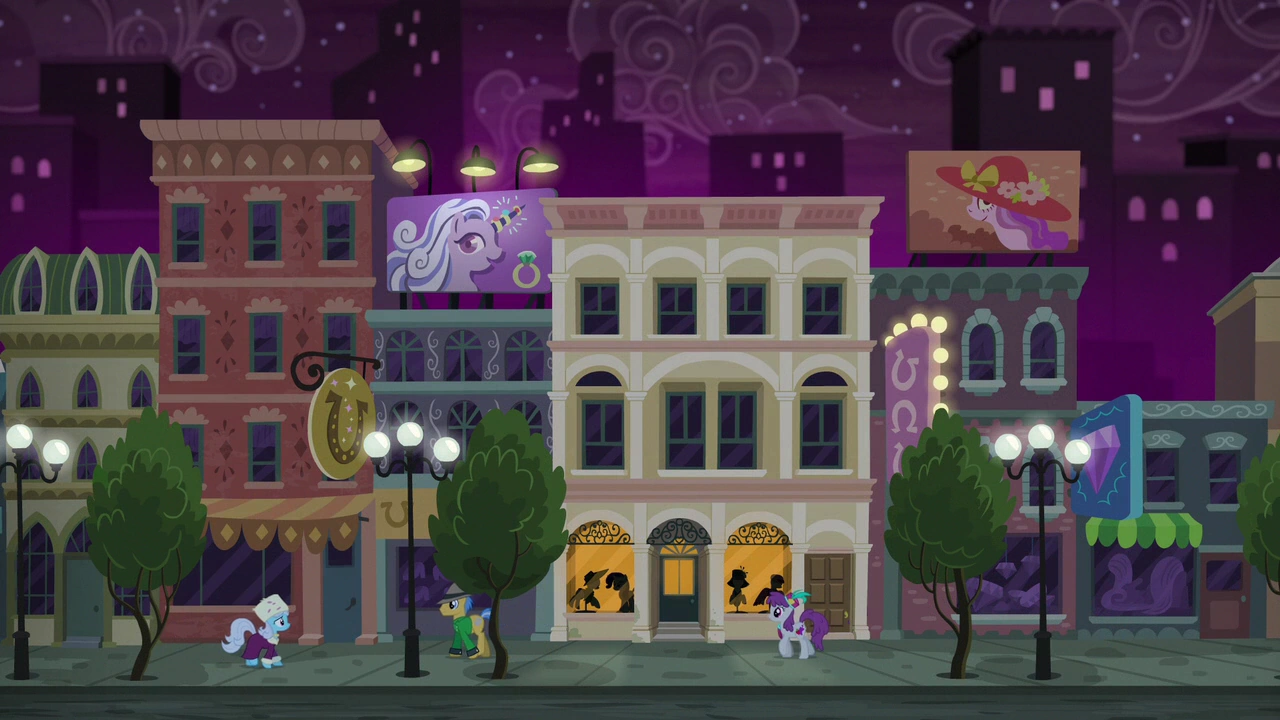
Manehattan’s glittering skyline now casts a shadow over its residents as the third arson incident in a month has left the neighborhood on edge. The blaze, which consumed a historic Crystal Market stall and a Silverworks District warehouse, marks a troubling escalation in a city already strained by economic inequality and gentrification. Authorities have launched a full-scale investigation, but for now, the question looms: is this a series of isolated acts, or the first spark of a broader pattern?
The latest fire broke out late Tuesday night, engulfing the Crystal Market’s eastern wing, a hub for artisanal gemstone trading and boutique magic. Witnesses reported seeing a figure in a black cloak fleeing the scene before emergency responders arrived. “It wasn’t just any fire,” said Sapphire Vixen, a third-generation gem trader whose stall was among the 12 damaged. “This was targeted. The stalls next to mine were untouched. Someone wanted to send a message.”
Vixen’s words echo concerns raised by local officials. Mayor Duskfire, whose administration has faced mounting criticism for its handling of neighborhood disputes, held an emergency press conference Thursday. “We’re treating this as a potential criminal act with broader implications,” Duskfire declared. “Our investigators are looking into every angle, including possible links to recent protests over property taxes.”
The arson follows two similar incidents in the past 30 days: a warehouse fire in the Silverworks District last month and a smaller blaze at a community center in the North End last week. While officials insist there’s no evidence of a coordinated campaign, the timing has sparked fears of a growing undercurrent of unrest.
“This isn’t just about property damage,” said Thunderhoof, a neighborhood watch volunteer and former security guard. “These fires are hitting places that represent resistance to the city’s current power structures. The Crystal Market is a symbol of old Manehattan—small businesses, independent traders. The Silverworks? That’s where the industrial elite are consolidating control.”
The economic implications are already visible. The Crystal Market, a cornerstone of Manehattan’s economy, has seen a 15% drop in foot traffic since the fire, according to the Manehattan Commerce Board. Local businesses, many of which rely on foot traffic from tourists and residents, are bracing for further losses. “We’re not just losing inventory—we’re losing trust,” said Vixen, who has already seen a 40% decline in sales. “If people think this city is unsafe, they’ll stop coming.”
The fires have also reignited debates over the city’s approach to urban development. Manehattan’s recent push to rezone industrial zones into luxury housing has drawn sharp criticism from activists, who argue the policy disproportionately targets lower-income districts. “These fires are a warning,” said Professor Emberthorn, an urban economist at the Manehattan Institute of Technology. “The city’s ignoring the social costs of its policies. When you displace communities and concentrate wealth, you create resentment that can manifest in violence.”
Yet not all residents see a clear link between the fires and economic policies. “I’m not sure anyone knows who’s behind these attacks,” said Penny Ledger, a small business owner in the North End. “But I do know that the city’s response has been slow. They’re asking us to wait while the investigation drags on. That’s when people start to lose patience.”
The police department has not disclosed details of its investigation, citing ongoing inquiries. However, sources close to the case suggest the focus is shifting toward both domestic and international actors. “There’s speculation about organized groups, but we can’t confirm anything yet,” said Detective Glitterhoof, a spokesperson for the Manehattan Division of Investigations. “What we can say is that we’re looking at all possibilities, including cyber-enabled sabotage.”
For now, the city’s residents are left to navigate a landscape of uncertainty. Community leaders are calling for increased patrols and emergency funding for small businesses, while activists urge the council to address the root causes of inequality. “This isn’t just about crime,” said Thunderhoof. “It’s about who gets to shape this city’s future. And if we don’t answer that question soon, there’ll be more fires.”
As the investigation continues, one thing remains clear: Manehattan’s glittering facade is cracking. Whether these fires signal a new era of unrest or merely a series of isolated incidents, the city’s leaders have a critical choice to make. Will they address the underlying tensions, or will they let the flames of discontent burn unchecked? The answer could shape the next chapter of Manehattan’s story—and the safety of its people.