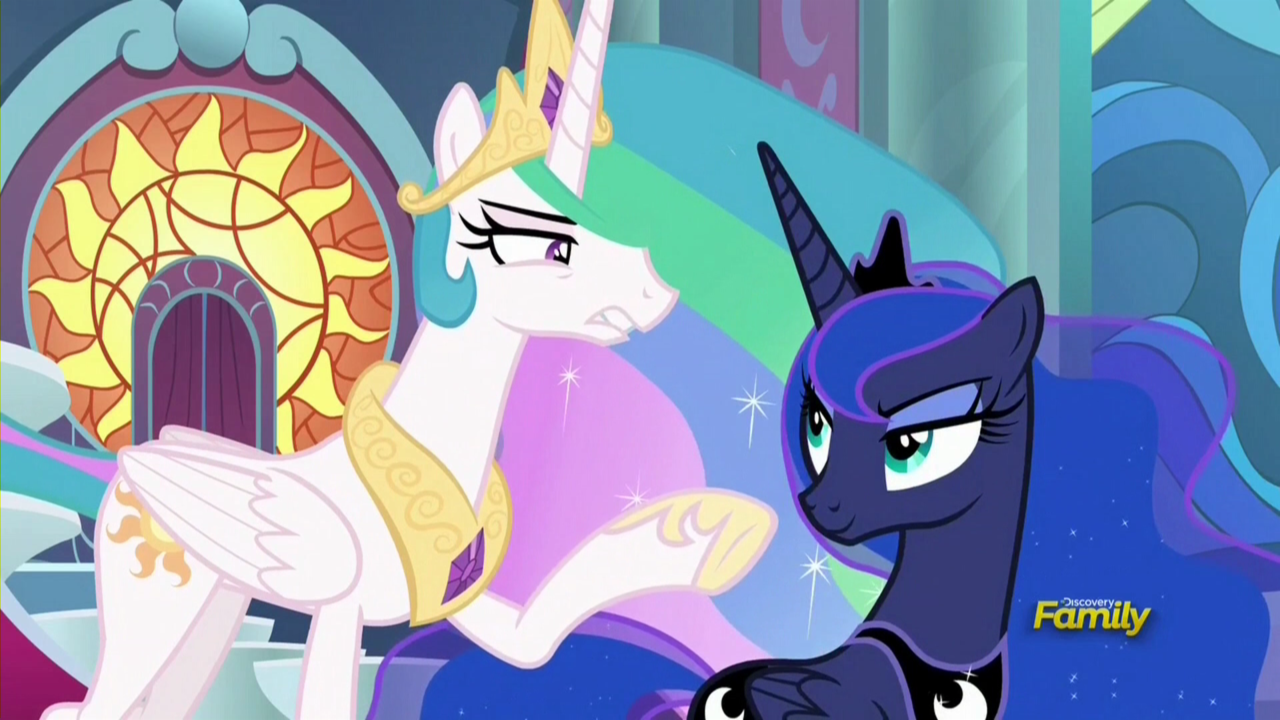
The arrival of the Kirin delegation in Canterlot marks a seismic shift in Equestria’s diplomatic landscape, as the first formal meeting between the two civilizations in over three centuries begins today. The Kirin, an ancient and enigmatic race known for their mastery of elemental magic and cryptic diplomacy, have traveled across the Everfree’s shifting borders to negotiate a future fraught with both promise and peril. While Canterlot’s officials herald the visit as a breakthrough for cross-species cooperation, skeptics warn that centuries of mistrust and unresolved territorial disputes could derail the talks.
The delegation, led by General Kaelen Thorne, a Kirin strategist with a reputation for brokering fragile truces, arrived at Canterlot’s Royal Palace at dawn. Their journey, which spanned weeks of magical transit and careful negotiation with neutral mediators, underscores the gravity of the moment. “This is not merely about trade or borders,” Thorne said in a brief press conference, his voice carrying the calm authority of a species that has weathered millennia of conflict. “It is about ensuring that neither Equestria nor the Kirin fall prey to the same cycles of isolation and fear that have defined our histories.”
For Canterlot, the meeting represents a rare opportunity to strengthen ties with a civilization that has long hovered on the fringes of Equestrian politics. The Kirin, whose territories stretch from the frostbitten peaks of Yakyakistan to the mist-laden marshes of the Badlands, have historically maintained a policy of non-interference. Yet their recent forays into global trade—particularly their lucrative crystal mining ventures in the Crystal Empire—have drawn the attention of Equestria’s economic elite. “The Kirin are not just a diplomatic curiosity anymore,” said Mayor Luna Vixen, a prominent Canterlot politician known for her hawkish stance on foreign policy. “They are a power that cannot be ignored. This meeting is about securing our place in a rapidly changing world.”
Yet the path to cooperation is strewn with obstacles. The most immediate challenge lies in the unresolved border disputes between the Kirin’s southern territories and the Crystal Empire, where a recent skirmish over mineral rights left three Equestrian border guards dead. “We’ve seen what happens when diplomacy falters,” said Sable Nightshade, a Crystal Empire trade representative who has publicly criticized the Kirin’s “intransigence.” “If the talks fail, it could trigger a new wave of hostilities that will bleed both nations.”
The delegation’s composition reflects the Kirin’s dual focus on pragmatism and tradition. Alongside General Thorne, the group includes scholars versed in Equestrian history, military advisors, and representatives from the Kirin’s merchant guilds, which have grown increasingly dependent on Equestrian markets. One notable figure is Mira Frostspire, a Kirin economist who has openly advocated for deeper integration with Equestrian trade networks. “The Kirin have spent centuries guarding our borders,” Frostspire said in an interview with OnlyMareNews. “But the world is changing. If we are to thrive, we must find ways to work with Equestria—not as a subservient partner, but as equals.”
However, not all Equestrians share this optimism. In the bustling district of Manehattan, where Kirin merchants have established a thriving trade hub, locals have voiced concerns about the potential for exploitation. “We’re not just a resource for the Kirin,” said Copper Gauge, a Manehattan business owner whose family has operated a spice import business for generations. “We’re a community. If the Kirin come in with empty promises, we’ll be the ones left holding the bag.”
The diplomatic talks will focus on three key areas: trade agreements, border security, and the controversial issue of magical resource sharing. The Kirin’s advanced crystallization techniques, which have revolutionized Equestrian technology, have made them indispensable partners in the region’s industrial growth. Yet their refusal to share proprietary knowledge has sparked tensions, particularly among the Crystal Empire’s smaller mining towns. “The Kirin have the tools to make our industries flourish,” said Dusty Verdict, a Crystal Empire labor union leader. “But they’ve chosen to keep their secrets. That’s not partnership—it’s exploitation.”
As the delegation settles into the Royal Palace, the weight of history looms large. For centuries, the Kirin have been a symbol of both fascination and fear in Equestrian lore, their existence a blend of myth and mystery. Now, as they face their first formal diplomatic engagement, the question is whether they can shed their enigmatic reputation and embrace the complexities of modern geopolitics.
The outcome of these talks will have far-reaching implications. A successful agreement could usher in an era of unprecedented collaboration, while a breakdown could reignite old conflicts and strain Equestria’s already fragile alliances. As General Thorne noted, “Diplomacy is not about perfect solutions—it’s about finding the will to try.” Whether that will be enough to bridge the chasm between two civilizations separated by time, culture, and centuries of mistrust remains to be seen.
For now, the world watches as Canterlot and the Kirin take their first tentative steps toward a shared future. The next chapter of this story will unfold in the days to come—and the stakes could not be higher.