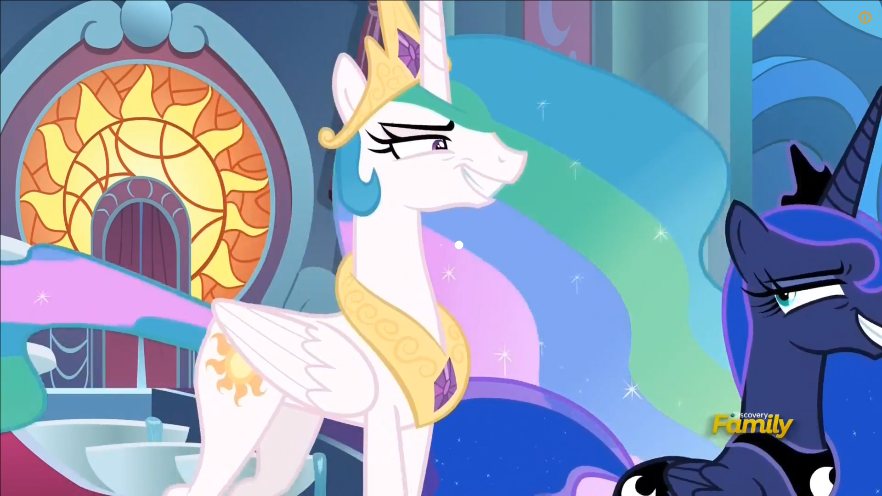
The Kirin delegation arrived in Canterlot today, marking the first formal diplomatic meeting between the two nations in over two centuries. The arrival of General Sable Horn, the Kirin envoy, and his entourage of diplomats and military officials has sent ripples through Equestrian politics, with analysts and officials cautiously optimistic about the potential to mend decades of strained relations. The meeting, held at the Crystal Palace, comes amid mounting pressure from both sides to resolve lingering trade disputes and border tensions that have simmered since the Great Trade War of 1874.
The Kirin delegation’s visit is a symbolic and practical step toward reconciliation. For centuries, the Kirin and Equestria have been locked in a tense standoff over resource extraction rights in the shared borderlands of the Badlands, a region rich in magical minerals and rare earth elements. While Equestrian officials have long accused the Kirin of overexploiting the region, the Kirin have countered that Equestria’s tariffs on exported goods have stifled their economy. “This meeting is not about winning or losing,” said General Horn in a brief press conference. “It’s about finding a path forward where both nations can thrive.”
The Equestrian side, led by Chancellor Puffin Scale, has emphasized the importance of the summit. “We’ve spent too long allowing history to dictate our future,” Scale stated. “Today, we’re here to build a new chapter—one based on cooperation, not conflict.” Scale’s remarks were met with applause from the gathered press, though some analysts remain skeptical. “Chancellor Scale’s words are diplomatic, but the real test will be in the details,” said Professor Duskroot, a political strategist at the Canterlot Academy of Political Science. “A treaty without enforceable clauses is just a promise.”
The agenda for the summit includes three primary topics: trade agreements, border security, and cultural exchange initiatives. Equestrian officials have proposed a 15% reduction in tariffs on Kirin exports, a move that could boost Kirin economic growth but may face resistance from domestic industries reliant on those tariffs. In exchange, the Kirin have offered to invest $50 million in Equestrian infrastructure projects, including upgrades to the Ponyville-Griffonstone rail line and the expansion of the Canterlot Water Treatment Facility. However, the deal is far from settled. “The numbers are there, but the politics are tricky,” said Mayor Clover Margin, a Canterlot council member. “Some of my colleagues are worried about losing jobs to Kirin labor.”
Public sentiment in Canterlot is mixed. While many citizens welcome the opportunity to improve relations with the Kirin, others fear that concessions will come at a cost. “I’m tired of our leaders chasing ghosts from the past,” said Ember Tangerine, a local baker and activist. “If we’re giving away our resources, we need to make sure it’s for the right reasons.” Tangerine’s comments reflect a broader debate among Equestrians about the balance between national pride and economic pragmatism.
The Kirin delegation’s arrival has also sparked discussions about the historical context of the feud. The Great Trade War, which ended in a ceasefire in 1874, left both nations with deep scars. The conflict, which saw Equestrian troops blockading Kirin ports and Kirin mercenaries infiltrating Equestrian border towns, is still referenced in political speeches and historical texts. “The past is a warning, not a blueprint,” said General Horn. “We can’t repeat the mistakes of our ancestors if we want to build a future together.”
Despite the optimism, challenges loom. The Kirin have historically been distrustful of Equestrian governance, citing past instances of corruption and mismanagement. Meanwhile, Equestrian hardliners argue that the Kirin’s economic model is incompatible with Equestrian values. “This isn’t just about trade,” said critic Spike Hammer, a former diplomat turned political commentator. “It’s about trust. And trust is hard to rebuild after two centuries of conflict.”
The summit’s success will depend on its ability to address these concerns. Both sides have agreed to a framework that includes joint committees, regular inspections of resource extraction sites, and a cultural exchange program to foster mutual understanding. However, the details remain murky. “We’re not here to sign a blank check,” said Chancellor Scale. “We’re here to lay the groundwork for something sustainable.”
As the meeting begins, the eyes of Equestria are on the outcome. The stakes are high: a potential breakthrough that could redefine inter-kingdom relations or a stalemate that risks reigniting old hostilities. For now, the focus is on dialogue, but the road ahead is anything but certain.
---
Quote 1: General Sable Horn: “This meeting is not about winning or losing. It’s about finding a path forward where both nations can thrive.”
Quote 2: Professor Duskroot: “A treaty without enforceable clauses is just a promise.”
Quote 3: Mayor Clover Margin: “Some of my colleagues are worried about losing jobs to Kirin labor.”
Quote 4: Spike Hammer: “This isn’t just about trade. It’s about trust. And trust is hard to rebuild after two centuries of conflict.”