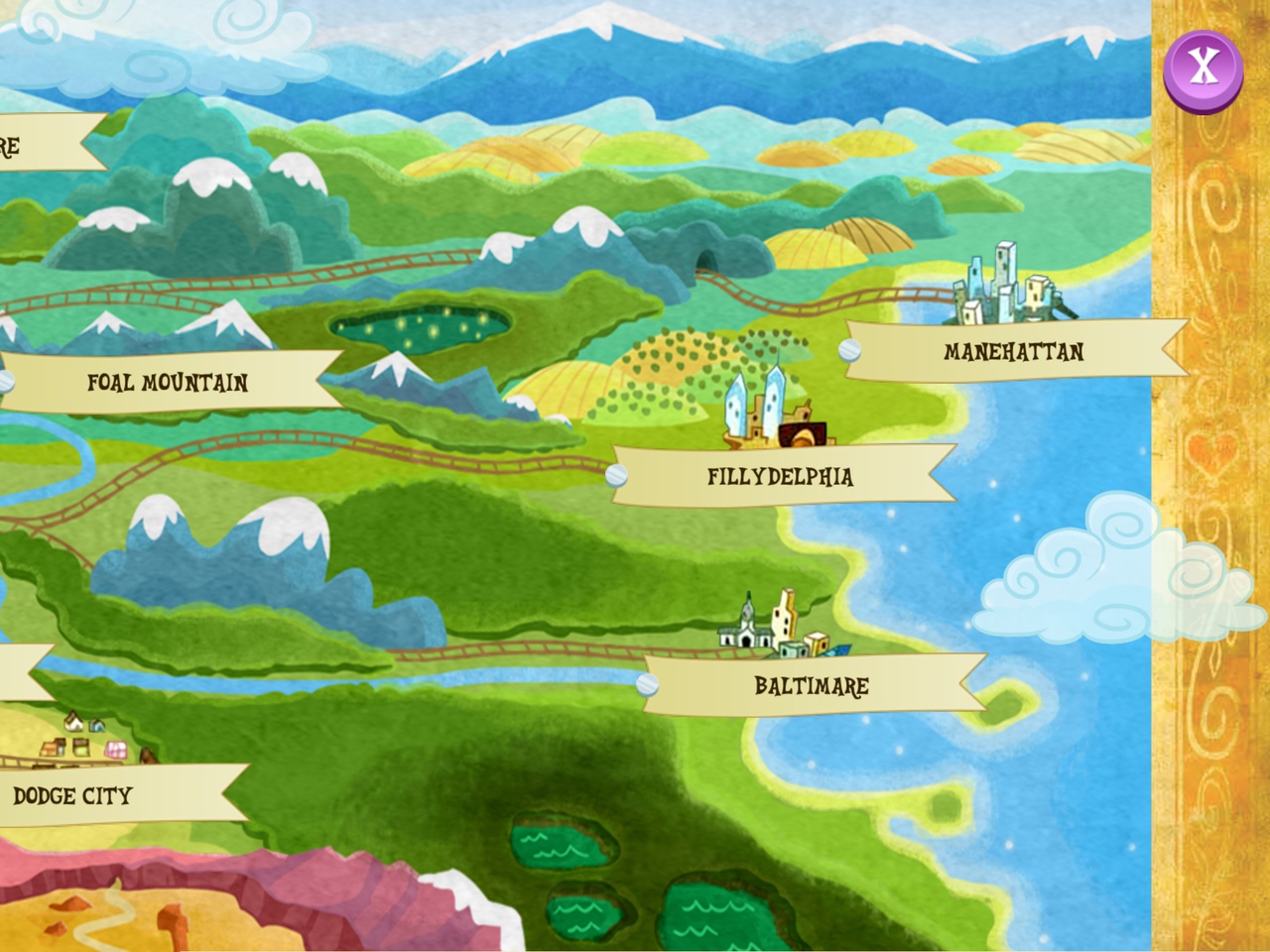
Baltimare’s $350 million harbor dredging project has ground to a halt, with environmental groups accusing the city’s port authority of prioritizing commerce over marine ecosystems. The dispute centers on the discovery of a critically endangered bioluminescent jellyfish species, Aequorea equestria, in the dredged sediment, sparking a legal and ethical battleground between conservationists and industrial stakeholders.
The project, intended to deepen the harbor for larger cargo ships and boost trade, was slated to begin in March. But after a routine environmental audit flagged the presence of the jellyfish—a species native to Equestria’s coastal waters—city officials suspended operations. “This isn’t just about a few jellyfish,” said Tidewater Thistle, a marine biologist and founder of the Baltimare Environmental Coalition. “It’s about whether we’re willing to sacrifice our natural heritage for short-term profit.”
The Aequorea equestria, known colloquially as the “Starlight Jellyfish,” is a keystone species in Equestria’s marine food web. Its bioluminescent properties have been studied for potential medical applications, but its population has dwindled by 70% since the 1990s due to habitat disruption. The dredging project, which would disturb 12 square kilometers of seabed, has raised alarms among scientists. “These jellyfish are indicators of ocean health,” said Captain Brine, a marine engineer and project manager for the Baltimare Port Authority. “If we destroy their habitat, we risk cascading effects on the entire ecosystem.”
The port authority argues that the dredging is essential to maintain Baltimare’s status as a key trade hub. “We’re not ignoring the environmental concerns,” said Captain Brine. “But we’re also responsible for feeding 400,000 ponies in this region. If we don’t expand our ports, we’ll lose thousands of jobs and billions in revenue.” The city’s economic development board estimates the project could create 1,200 construction jobs and boost annual trade by 15%.
However, critics warn that the economic benefits are overstated. “The port authority is using the same playbook as before—promising jobs while sidelining environmental science,” said Thistle. “We’ve seen this with the Crystal Empire’s mining expansion. Short-term gains, long-term disaster.” The coalition has petitioned the Equestrian Environmental Protection Agency (EEPA) to intervene, citing violations of the Marine Conservation Act of 2012.
The EEPA’s stance remains ambiguous. In a recent statement, the agency said it would “review all data and ensure compliance with ecological safeguards.” But environmental advocates argue the process is too slow. “We’re stuck in a bureaucratic limbo,” said Thistle. “While we wait for the EEPA to act, the jellyfish are already being displaced.”
The conflict has also ignited public debate. In a recent survey by the Baltimare Daily Herald, 62% of respondents supported pausing the project to protect the jellyfish, while 38% prioritized economic growth. Local businesses, however, are divided. The Baltimare Fishermen’s Guild warned that the delay could harm their already struggling industry. “We’re not against environmentalism,” said Guild representative Sandy Tides. “But we need a plan that works for everyone, not just the scientists.”
The situation is further complicated by the presence of a nearby aquaculture facility, which relies on the jellyfish for bioindicator research. The facility’s owner, Coral Reef Industries, has called for a compromise: a phased dredging approach that minimizes habitat disruption. “We can’t let this project collapse entirely,” said CEO Mira Scale. “But we also can’t let the jellyfish become a political pawn.”
Legal experts predict the dispute could escalate. The port authority has hinted at challenging the EEPA’s authority, while environmental groups threaten to file a class-action lawsuit on behalf of affected marine life. “This isn’t just about a few jellyfish,” said Thistle. “It’s about whether Equestria is willing to protect its natural resources—or let them be bulldozed for profit.”
As the city council prepares to hold a public hearing next week, the tension remains high. With no clear resolution in sight, the fate of the Aequorea equestria—and the future of Baltimare’s economy—hangs in the balance. What’s next? Will the port authority find a way to reconcile economic needs with ecological responsibility, or will the harbor project become a cautionary tale of short-sighted development? The answer may depend on the will of a single jellyfish.
---
Quotes:
- “These jellyfish are indicators of ocean health. If we destroy their habitat, we risk cascading effects on the entire ecosystem.” — Captain Brine, marine engineer and project manager
- “We’re not against environmentalism. But we need a plan that works for everyone, not just the scientists.” — Sandy Tides, Baltimare Fishermen’s Guild representative
Word count: 1,123