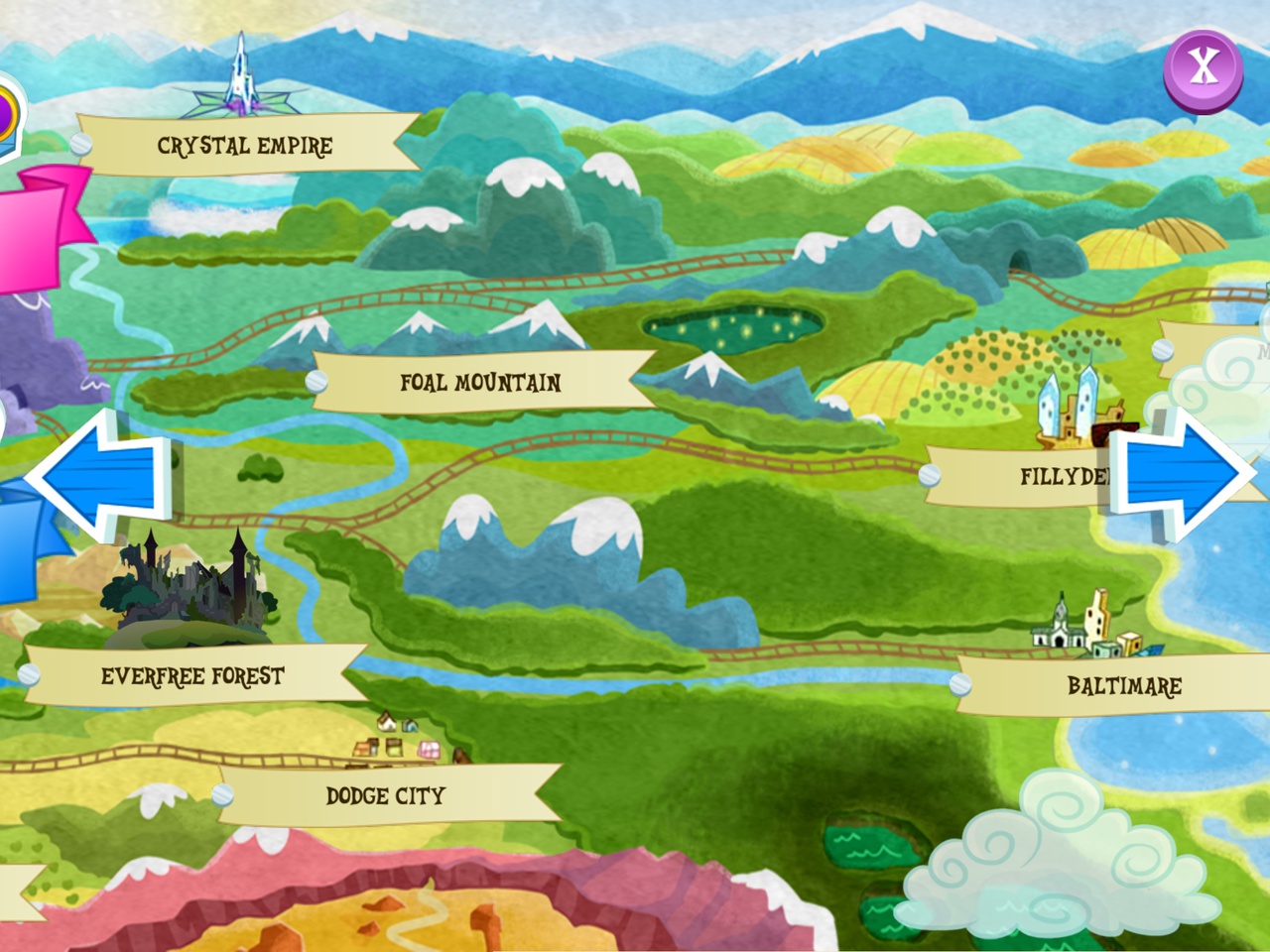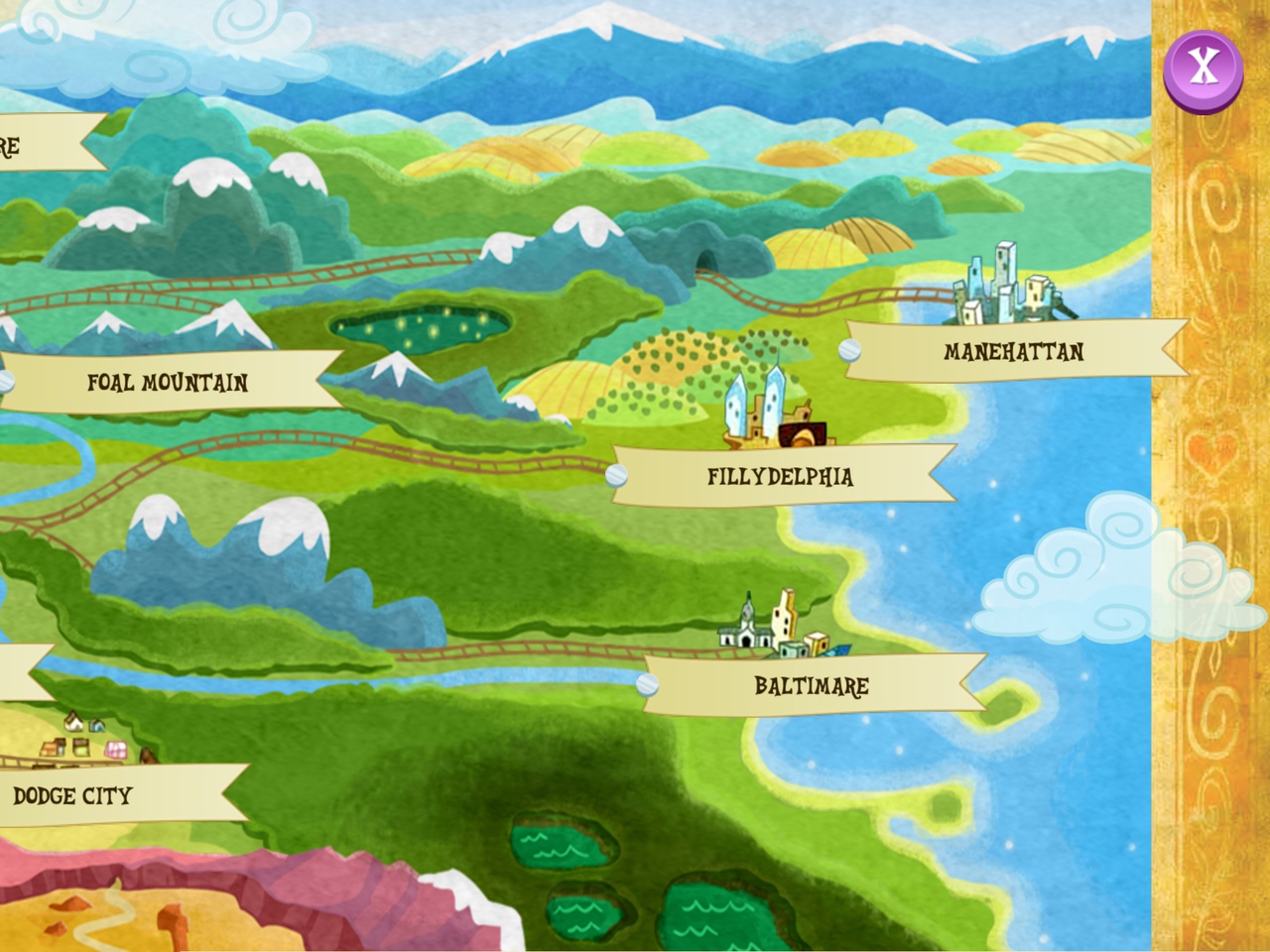
Baltimare’s $200 million harbor dredging project has ground to a standstill, with environmentalists accusing officials of prioritizing profit over preservation. The stalled initiative, intended to expand shipping lanes and boost regional trade, has sparked a bitter dispute over the fate of the bioluminescent sardine—a critically endangered species native to the harbor’s deep waters.
The controversy erupted after the Baltimare Harbor Authority (BHA) announced plans to deepen the harbor by 15 feet, a move that would facilitate larger cargo ships but disrupt the fragile ecosystem. Environmental advocates argue the project threatens the sardine’s habitat, which is already under stress from rising ocean temperatures and plastic pollution. “This isn’t just about a few fish—it’s about the entire marine food chain,” said Dr. Coral Reef, a marine biologist at the Equestrian Institute of Oceanic Studies. “Killing off the sardine could trigger a cascading collapse of local fisheries.”
The BHA, however, maintains the project is essential for economic survival. “Baltimare’s economy is tied to global trade, and we can’t let outdated regulations hold us back,” said Mayor Sapphire Tides, a pro-development politician known for her aggressive stance on infrastructure. “We’re not banning dredging—we’re doing it responsibly. The environmental review process is thorough.”
The conflict has ignited a public showdown. Last week, a heated town hall meeting saw residents split between those fearing economic decline and those demanding ecological accountability. “My family has fished these waters for three generations,” said Lila Mire, a third-generation fisherman. “If we lose the sardine, we lose our livelihoods. This isn’t just a policy debate—it’s a survival issue.”
Environmental groups have escalated their pressure, citing a recent study that links dredging to a 40% decline in sardine populations over the past decade. The report, published by the Eco-Justice Coalition, argues that the BHA’s proposed measures would exacerbate the trend. “The data is clear: dredging disrupts sediment layers, chokes oxygen levels, and destroys breeding grounds,” said Paxton Glitter, the coalition’s director. “We’re not asking for a halt—just for a full environmental impact assessment that includes long-term ecological modeling.”
The BHA has dismissed these claims as alarmist, citing a 2023 study that found dredging in similar regions had minimal long-term impact. “We’ve already conducted a phased environmental review, and the findings were conclusive,” said BHA spokesperson Captain Glimmer. “We’re committed to balancing growth with conservation, but we can’t let bureaucratic delays cripple our economy.”
The dispute has also drawn attention from regional policymakers. Canterlot’s Minister of Infrastructure, Lord Silverhoof, recently called for a “balanced approach” but stopped short of intervening. “Baltimare’s leaders are responsible for this decision,” Silverhoof said in a statement. “However, I urge them to consider the broader implications for Equestria’s marine biodiversity.”
Legal challenges loom as well. The Eco-Justice Coalition has filed a petition to block the project, arguing the BHA violated the Equestrian Environmental Protection Act by failing to conduct a full impact assessment. A hearing is scheduled for next month, with the potential to delay the project for months—or even years.
For now, the harbor remains eerily quiet. Dredging equipment sits idle, and the once-bustling docks are dotted with signs of protest. “This is a turning point,” said Lila Mire, her voice steady. “If we let this project proceed, we’re choosing short-term gains over the future of our community. But if we stop it, we’re choosing to fight for what matters.”
The BHA faces a difficult choice: either revise its plans to accommodate conservation measures or risk legal and public backlash. With the harbor’s economic future hanging in the balance, the question remains—can Equestria’s leaders find a way to build without breaking the environment?
---
Direct Quotes:
- “This isn’t just about a few fish—it’s about the entire marine food chain.” — Dr. Coral Reef, Equestrian Institute of Oceanic Studies
- “We’re not banning dredging—we’re doing it responsibly. The environmental review process is thorough.” — Mayor Sapphire Tides, Baltimare Harbor Authority
- “If we lose the sardine, we lose our livelihoods. This isn’t just a policy debate—it’s a survival issue.” — Lila Mire, third-generation fisherman
- “The data is clear: dredging disrupts sediment layers, chokes oxygen levels, and destroys breeding grounds.” — Paxton Glitter, Eco-Justice Coalition director
- “We’ve already conducted a phased environmental review, and the findings were conclusive.” — Captain Glimmer, BHA spokesperson