Griffonstone’s ancient stone towers, once symbols of culinary pride, now stand as battlegrounds in a simmering ideological clash. The city’s traditional griffon population is mobilizing against a growing vegetarian movement, warning that dietary shifts threaten their cultural identity and economic livelihood. Meanwhile, vegan activists argue the trend reflects a broader ethical awakening.
The controversy erupted after a recent report revealed that 18% of Griffonstone’s population now identifies as vegetarian, up from 6% in 2022. The surge has prompted protests, legislative debates, and a rare public spat between the city’s mayor, Sable Nightshade, and a coalition of vegan advocates.
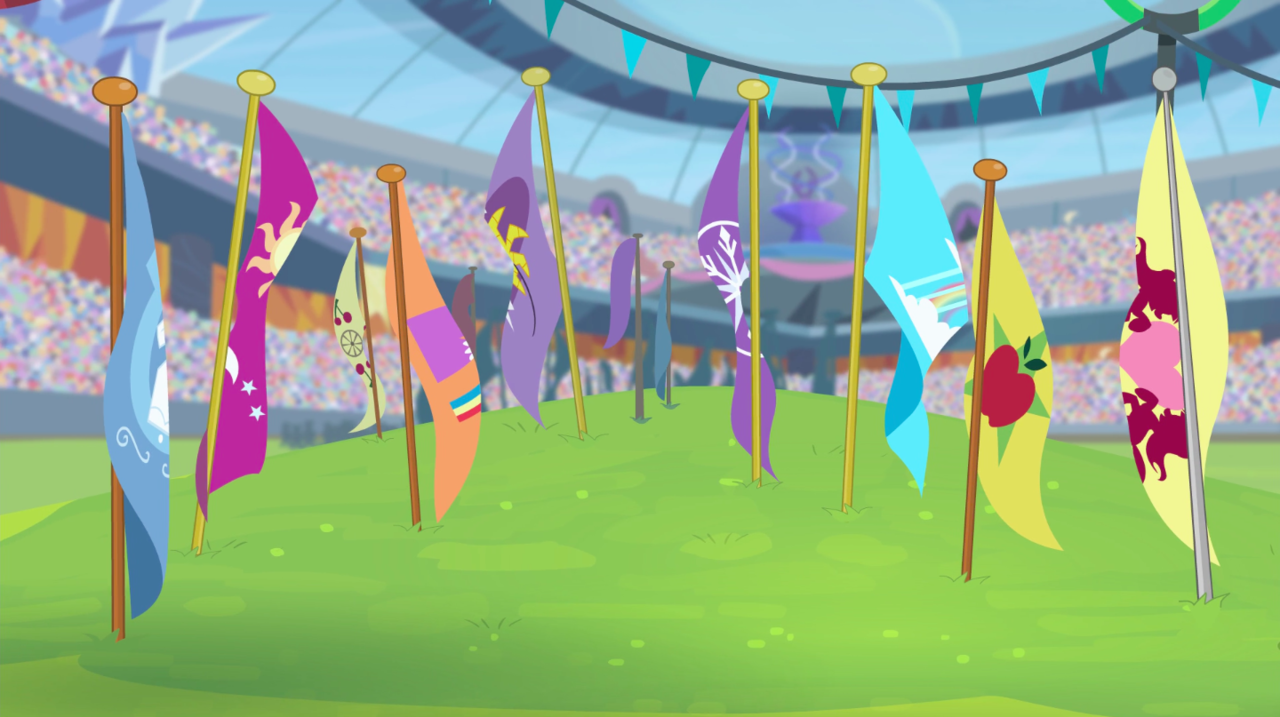
“This isn’t just about food—it’s about survival,” said Ironclaw Vane, a lifelong meat-eater and leader of the Griffonstone Traditionalists. “Our ancestors built this city on the backs of livestock. To abandon that legacy is to erase who we are.” Vane’s faction has organized a series of demonstrations outside the city’s main market square, where they’ve erected banners reading “Blood and Iron” and “No More Herbivore Hypocrisy.”
The vegan movement, meanwhile, frames its push as a moral imperative. “Griffons have long prided themselves on strength and dominance,” said Luminara Spark, a vegan activist and former culinary arts student. “But that strength comes at a cost. Our ancestors’ practices caused untold suffering to other species. We’re not asking for perfection—we’re asking for progress.”
The debate has spilled into policy. Last week, the Griffonstone City Council narrowly approved a proposal to subsidize plant-based protein imports, a move critics call “economic imperialism.” The vote followed months of lobbying by the Vegan Coalition of Griffonstone, which argues that the city’s reliance on imported livestock has made it vulnerable to global market fluctuations.
“This subsidy is a Trojan horse,” said Mayor Sable Nightshade, a former diplomat who has championed trade reforms. “It’s a way to funnel taxpayer money into a niche market while ignoring the needs of our local farmers. Griffonstone’s economy is built on agriculture, not veganism.”
But the coalition disputes that. “The city’s farmers are already struggling with declining livestock prices,” countered Mira Thistle, a spokesperson for the Vegan Coalition. “Our proposal isn’t about replacing meat—it’s about diversifying the economy. If we can’t feed our population sustainably, we’re not just failing our citizens—we’re failing the planet.”
The clash has also drawn attention from Equestria’s broader political landscape. Canterlot’s Ministry of Agriculture recently released a report warning that the vegan movement could destabilize regional food markets. The report cites a 20% drop in livestock exports from Griffonstone over the past year, though it stops short of blaming the vegetarian shift directly.
“This is a complex issue with no easy answers,” said Minister of Agriculture, Duskfire Ember, in a recent press statement. “We must balance cultural heritage with modern ethical concerns. But we cannot ignore the economic risks of sudden dietary shifts.”
The tension is palpable in Griffonstone’s markets, where traditional butchers and vegan food stalls now share space. At the corner of Ironclaw Way, a family-owned butcher shop, the sign reads “Closed for Renovation” as the owner, Glimmer Fang, prepares to transition to a plant-based business.
“This isn’t easy,” Fang admitted, her voice tight. “My father raised cattle for generations. But the demand for meat is shrinking, and the prices are crashing. If I don’t adapt, I’ll be out of business.”
Across the street, a new vegan café, The Herbivore’s Edge, opened last month. Its owner, a former chef named Ember Pine, serves dishes like “Griffon-Style Lentil Stew” and “Mushroom and Quinoa Skewers.”
“Griffons are adaptable,” Pine said, sipping a cup of oat milk latte. “We’ve survived droughts, wars, and political upheavals. Why not a dietary shift? The real question is: Who’s protecting the interests of the people, not the old ways?”
The debate has also sparked a deeper conversation about identity. Griffonstone’s traditionalists argue that vegetarianism undermines the city’s martial culture, which has long been tied to the consumption of meat. “Strength isn’t just physical,” Vane said. “It’s about tradition. If we abandon our roots, what’s left?”
But younger griffons are pushing back. “Our ancestors were warriors, not tyrants,” said Kaelith Sky, a 22-year-old student and vegan advocate. “They fought for freedom, not exploitation. If we’re going to honor them, we need to honor their values—compassion, not conquest.”
As the conflict intensifies, the city faces a pivotal question: Can Griffonstone reconcile its storied past with an evolving future? With the upcoming regional food summit in Canterlot, the pressure to find a resolution is mounting. For now, the stone towers remain silent, watching as the clash between tradition and change continues to shape the city’s destiny.
---
Sources:
- Ironclaw Vane, leader of the Griffonstone Traditionalists
- Luminara Spark, vegan activist and former culinary arts student
- Mayor Sable Nightshade, Griffonstone City Council
- Mira Thistle, spokesperson for the Vegan Coalition of Griffonstone
- Duskfire Ember, Minister of Agriculture
- Glimmer Fang, owner of a transitioning butcher shop
- Ember Pine, owner of The Herbivore’s Edge café
- Kaelith Sky, 22-year-old vegan advocate