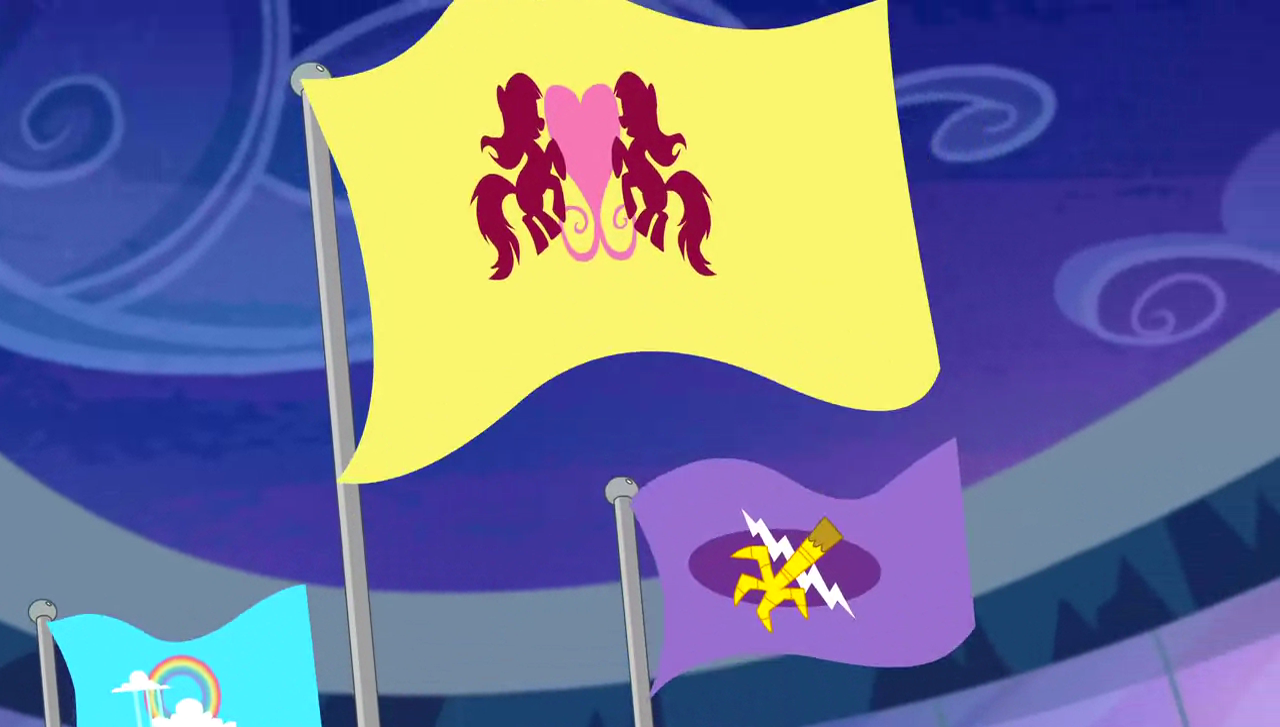
Griffonstone’s embassies in the Crystal Empire have formally requested reparations for centuries of alleged economic exploitation by Equestrian trade guilds, reigniting a decades-old dispute that threatens to destabilize the region’s fragile diplomatic ties. The demand, outlined in a recent letter from Griffonstone’s Trade Minister Sable Scale, accuses Equestria of systematically underpaying for critical mineral exports and stifling local industries through monopolistic practices.
The letter, obtained by OnlyMareNews, frames the request as a moral and economic imperative. “For over two centuries, Equestrian merchants have siphoned wealth from our mines while leaving our workers in poverty,” Scale declared in an exclusive interview. “This isn’t just about money—it’s about rectifying a legacy of imbalance that has fueled our region’s stagnation.” Scale’s claims echo long-standing grievances among Griffonstone’s labor unions, which have called for audits of historical trade agreements to quantify alleged losses.
Equestria’s response has been cautious. A spokesperson for the Crystal Empire’s Ministry of Trade, Frostbite Frost, acknowledged the “complexity of historical claims” but emphasized the need for “constructive dialogue.” “We respect Griffonstone’s sovereignty and its right to pursue justice,” Frostbite said in a statement. “However, resolving such disputes requires both parties to agree on the terms of accountability—and we have yet to see a proposal that meets Equestria’s standards for transparency.”
The dispute traces back to the early 1800s, when Equestrian merchants secured exclusive contracts to export Griffonstone’s iron and gemstones, often at prices far below market value. Historians like Dusty Verdict, a professor at the Canterlot Institute of Economic Studies, argue that these deals entrenched systemic inequities. “The guilds used their political influence to block local competitors, ensuring they alone controlled the flow of goods,” Verdict explained. “This created a cycle of dependency that benefited Equestria’s economy while strangling Griffonstone’s growth.”
The request for reparations has sparked debate among Equestrian economists. Some, like Grumble Tusk, a senior analyst at the Crystal Empire’s Economic Development Council, warn that honoring the claims could strain Equestria’s already strained budget. “Reparations would require redirecting funds from critical infrastructure projects,” Tusk said. “We’d be paying for sins of the past while neglecting the needs of today’s citizens.” Others, however, argue that ignoring the past risks further resentment. “If we don’t address these grievances, we’ll perpetuate the very inequalities we claim to have overcome,” countered Rarity Bloom, a labor rights advocate in Manehattan.
Griffonstone’s leaders are pushing for a comprehensive audit of all trade agreements dating back to the 1800s. The proposed reparations package includes a 10% tax on Equestrian imports, compensation for historical underpayment of minerals, and funding for Griffonstone’s industrial modernization. But critics argue the terms are overly punitive. “They’re not just asking for money—they’re demanding a restructuring of our entire economic relationship,” said Sable Scale. “That’s not negotiation; that’s an ultimatum.”
The Crystal Empire’s government faces a difficult choice. While Equestria’s leaders have historically prioritized stability over reparations, the growing unrest in Griffonstone’s mining regions could escalate tensions. Protests have already erupted in several districts, with demonstrators demanding accountability for past injustices. Meanwhile, Equestrian businesses reliant on Griffonstone’s exports face uncertainty. “If the tariffs go through, our manufacturers will lose a third of their raw material supply,” warned Ironclad Pines, CEO of the Crystal Empire’s Ironworks Guild.
The dispute also raises broader questions about Equestria’s role in global trade. With the rise of new trade partners like Yakyakistan and the Dragon Lands, some analysts suggest Equestria must re-evaluate its historical obligations. “This isn’t just about Griffonstone—it’s about how Equestria defines its place in the world economy,” said Professor Verdict. “If we’re to remain a leader, we need to address the legacies of our past actions.”
As negotiations loom, the Crystal Empire’s government has signaled openness to dialogue but stressed the need for “mutually acceptable terms.” Whether this means financial reparations, trade reforms, or a combination remains unclear. For now, the dispute serves as a stark reminder of how historical economic imbalances can resurface in modern geopolitics.
The next steps will likely involve a formal meeting between Equestria’s Ministry of Trade and Griffonstone’s delegation in the coming weeks. But with both sides entrenched in their positions, the path to resolution remains uncertain. One thing is clear: the past is no longer buried—and the economic consequences of confronting it could reshape the region for years to come.