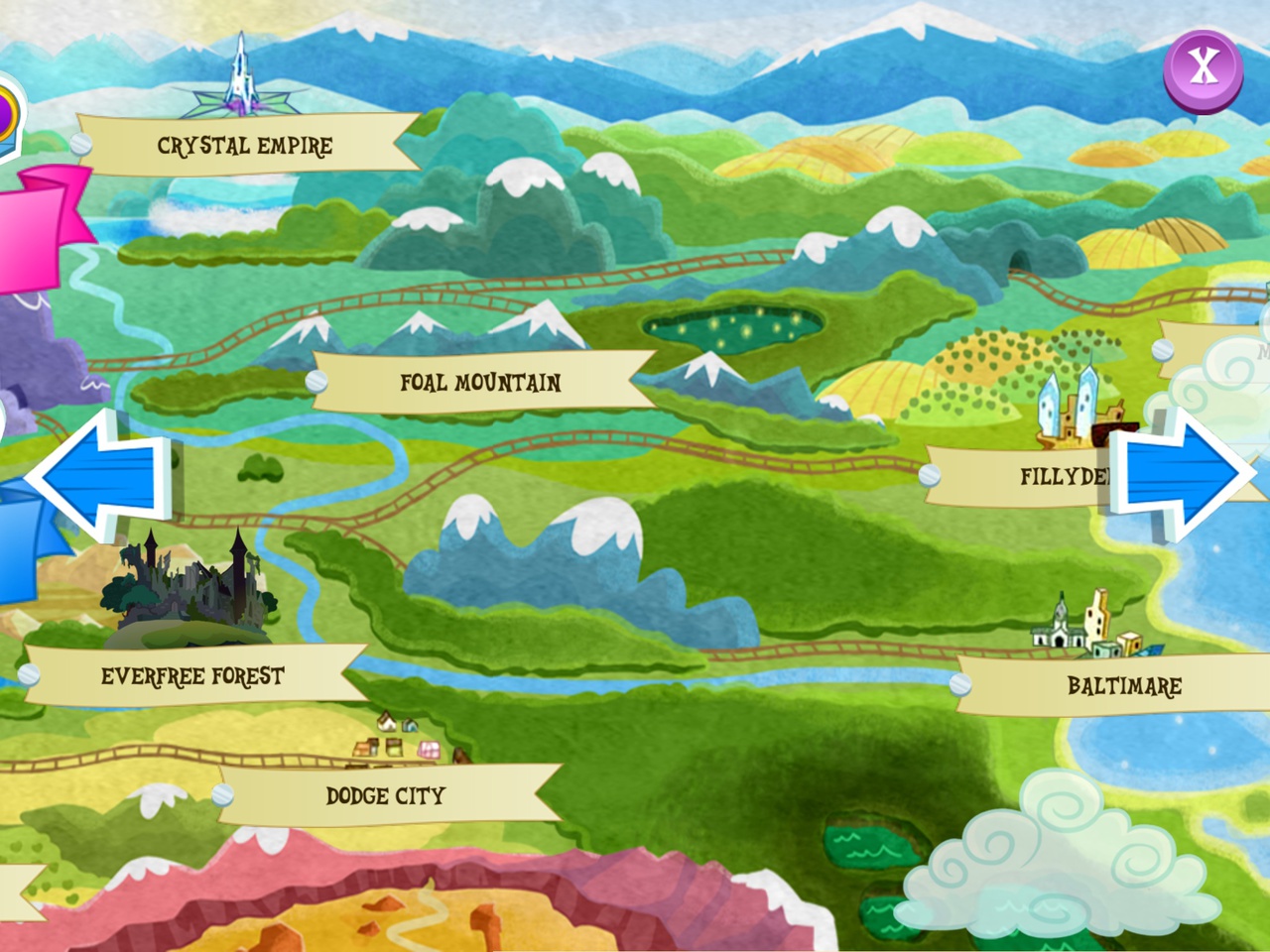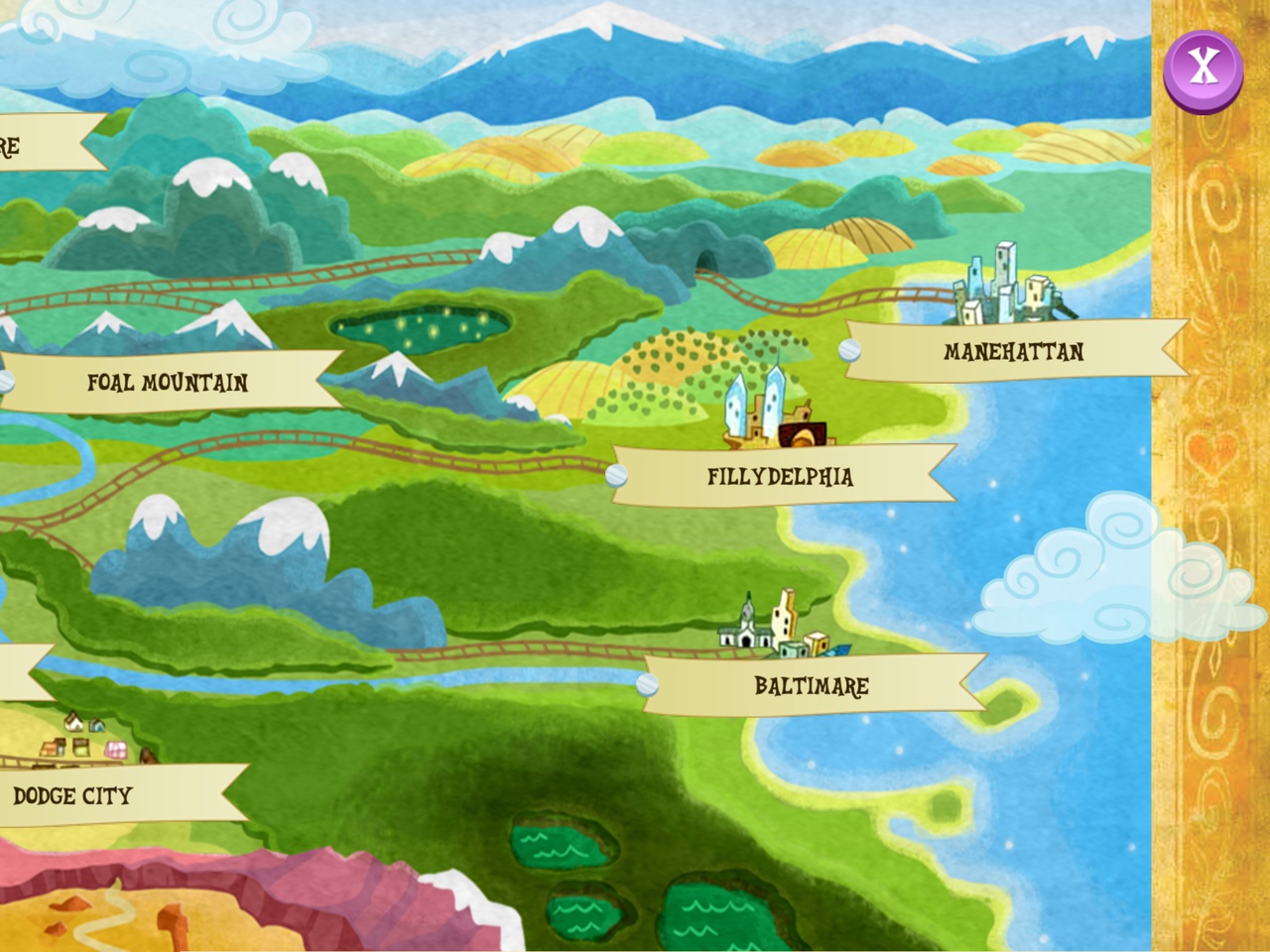
Fillydelphia engineers have unveiled the first fully magic-powered locomotive, slashing travel times across the region by nearly 50% and sparking a seismic shift in Equestria’s transportation sector. The prototype, dubbed The Arcane Express, combines enchanted rails, arcane engines, and spell-crafted coal to power a steam-driven engine that operates without fossil fuels. Developed by the Fillydelphia Engineering Guild in collaboration with the Canterlot Institute of Arcane Sciences, the locomotive’s debut at the Equestrian Trade Council’s annual innovation summit has ignited both optimism and skepticism among officials, commuters, and industry experts.
The Arcane Express operates by channeling magical energy through enchanted rails embedded with ley line nodes, which amplify the power of arcane coal—a hybrid of traditional coal and spell-infused mineral. According to lead engineer Ember Vane, a 32-year-old mare with a reputation for pushing boundaries in magical engineering, the system “replaces the need for combustion entirely. The rails act as conduits, drawing energy directly from the earth’s magic.” Vane, who previously worked on the controversial Celestia University’s Arcane Grid Project, emphasized that the locomotive’s design prioritizes efficiency and sustainability. “This isn’t just about speed. It’s about decoupling Equestria’s transportation from its reliance on finite resources,” she said.
The locomotive’s impact is already being felt. Commuters between Fillydelphia and nearby cities like Manehattan and Ponyville report travel times reduced by 48%, with some routes now taking as little as 20 minutes instead of an hour. Dusk Stripe, a transportation official from the Equestrian Trade Council, called the development “a game-changer for regional connectivity.” “If we can scale this technology, we could eliminate the need for coal-powered trains entirely,” Stripe said. “That’s a win for the economy, the environment, and the ponies who rely on these services.”
However, not all reactions are celebratory. Critics, including Rarity Bloom, a senior analyst at the Equestrian Trade Council, warn that the technology’s potential risks outweigh its benefits. “This is a groundbreaking achievement, but we’re still in the early stages of understanding the long-term effects of magical energy on infrastructure,” Bloom said. “There are concerns about maintenance costs, safety protocols, and the potential for magical overloads if the enchantments fail.” Bloom’s concerns are echoed by labor unions, which fear the shift to magic-powered transport could displace thousands of workers in coal mining and traditional railway sectors.
The Arcane Express’s success hinges on its ability to scale. While the prototype has demonstrated impressive performance, engineers admit that widespread adoption will require significant investment in enchanted rail networks and arcane energy regulation. “This is just the beginning,” said Vane. “We’re already in talks with the Equestrian Trade Council about expanding the enchanted rail system to cover major trade routes. But it’s going to take time, money, and political will.”
Public enthusiasm for the new technology has been overwhelming. Commuters like Sunny Dusk, a Fillydelphia resident who frequently travels to Manehattan for work, have embraced the change. “It’s like magic turned into a daily convenience,” Dusk said. “I used to dread the 45-minute commute, but now I’m there in 20. It’s a miracle.” However, some pony owners of small businesses worry about the economic implications. “If the trains are faster, why would anyone choose to drive or take a slower freight service?” asked Tangerine Sprocket, a local trucking owner. “It’s a disruption that might hurt smaller operators.”
The Arcane Express also raises questions about the future of magical infrastructure. With the Equestrian Trade Council already investing heavily in arcane energy projects, the locomotive’s success could accelerate the adoption of magic-powered technologies across other sectors, from agriculture to manufacturing. But it also poses challenges. For instance, the enchanted rails require periodic recharging, which could strain the region’s already overburdened magical energy grid. “We’re talking about a massive increase in magical demand,” said Rarity Bloom. “If we don’t manage this carefully, we could end up with a crisis in energy supply.”
Despite these hurdles, the Arcane Express has already sparked a wave of innovation. Several startups are exploring ways to integrate magic into personal transport, while academic institutions are racing to publish studies on the long-term environmental impact of arcane energy. The Canterlot Institute, which has been at the forefront of arcane research, is reportedly planning a summit to discuss the ethical and regulatory frameworks needed to govern this new era of magical technology.
For now, the locomotive’s proponents remain focused on its immediate benefits. “This is about giving ponies more time in their day,” said Vane. “If we can reduce travel time by half, we’re not just improving transportation—we’re improving quality of life.”
The Arcane Express’s journey, however, is far from over. As Fillydelphia engineers prepare for the next phase of testing, the broader Equestrian community watches closely. Will this be the dawn of a new era in transportation, or will the challenges of scaling magical infrastructure prove insurmountable? The answer may lie in the rails—and the magic that powers them.
The Arcane Express’s journey, however, is far from over. As Fillydelphia engineers prepare for the next phase of testing, the broader Equestrian community watches closely. Will this be the dawn of a new era in transportation, or will the challenges of scaling magical infrastructure prove insurmountable? The answer may lie in the rails—and the magic that powers them.
Yet, the path to widespread adoption is fraught with regulatory and political hurdles. The Equestrian Trade Council, which has long been a champion of industrial innovation, is now facing pressure to establish clear guidelines for the use of magical energy in public transit. “This isn’t just about technology—it’s about governance,” said Dusk Stripe, the council’s transportation official. “We need to ensure that enchanted infrastructure is regulated to prevent monopolies, ensure safety, and protect the rights of workers in traditional industries.” Stripe’s comments reflect growing concerns that the rapid shift to magic-powered transport could bypass the usual oversight mechanisms, leaving regulators scrambling to catch up.
One of the most contentious issues is the potential displacement of coal workers. The Fillydelphia Engineering Guild has partnered with the Canterlot Institute to develop the Arcane Express, but the coal industry is already lobbying for protections. “This is a seismic shift, and it’s not just about the trains,” said Coal Baron Riffle, a prominent figure in the Fillydelphia Coal Federation. “Thousands of ponies depend on the coal industry for their livelihoods. If we let this magic-powered locomotive take over, we’re not just changing transportation—we’re upending entire communities.” Riffle’s concerns have prompted calls for a phased transition, with the council exploring subsidies for workers to retrain in arcane engineering or alternative energy sectors.
Meanwhile, environmentalists are raising alarms about the long-term effects of magical energy on Equestria’s natural systems. While the Arcane Express eliminates fossil fuel emissions, experts warn that the overuse of arcane energy could strain the region’s ley line networks. “The Everfree Forest is already showing signs of magical saturation,” said Rarity Bloom, the Equestrian Trade Council analyst. “If we flood the environment with enchanted rails and arcane engines, we risk disrupting the delicate balance of magic that sustains our ecosystems.” Bloom’s warnings have sparked debates about whether the benefits of faster travel justify the ecological risks. Some environmental groups are pushing for stricter regulations on magical energy use, while others argue that the technology is a necessary step toward a sustainable future.
Public sentiment remains divided, with commuters and business owners reacting to the Arcane Express in starkly different ways. For Sunny Dusk, a Fillydelphia resident who now commutes to Manehattan in 20 minutes instead of an hour, the locomotive is a miracle. “It’s like magic turned into a daily convenience,” she said. “I used to dread the 45-minute commute, but now I’m there in 20. It’s a miracle.” Yet, not everyone shares her enthusiasm. Tangerine Sprocket, a local trucking owner, fears the new technology could crush small businesses. “If the trains are faster, why would anyone choose to drive or take a slower freight service?” he asked. “It’s a disruption that might hurt smaller operators.”
The economic implications of the Arcane Express extend beyond transportation. With the Equestrian Trade Council already investing heavily in arcane energy projects, the locomotive’s success could accelerate the adoption of magic-powered technologies across other sectors, from agriculture to manufacturing. But it also poses challenges. For instance, the enchanted rails require periodic recharging, which could strain the region’s already overburdened magical energy grid. “We’re talking about a massive increase in magical demand,” said Bloom. “If we don’t manage this carefully, we could end up with a crisis in energy supply.”
Despite these hurdles, the Arcane, Express has already sparked a wave of innovation. Several startups are exploring ways to integrate magic into personal transport, while academic institutions are racing to publish studies on the long-term environmental impact of arcane energy. The Canterlot Institute, which has been at the forefront of arcane research, is reportedly planning a summit to discuss the ethical and regulatory frameworks needed to govern this new era of magical technology.
For now, the Arcane Express’s proponents remain focused on its immediate benefits. “This is about giving ponies more time in their day,” said Vane. “If we can reduce travel time by half, we’re not just improving transportation—we’re improving quality of life.” But as the locomotive rolls into the future, its success will depend on more than just engineering brilliance. It will require collaboration between regulators, industry leaders, and the communities that stand to gain—or lose—from this transformation. Whether the Arcane Express becomes a cornerstone of Equestrian innovation or a cautionary tale of technological overreach remains to be seen. The rails may be enchanted, but the path ahead is still very much human.