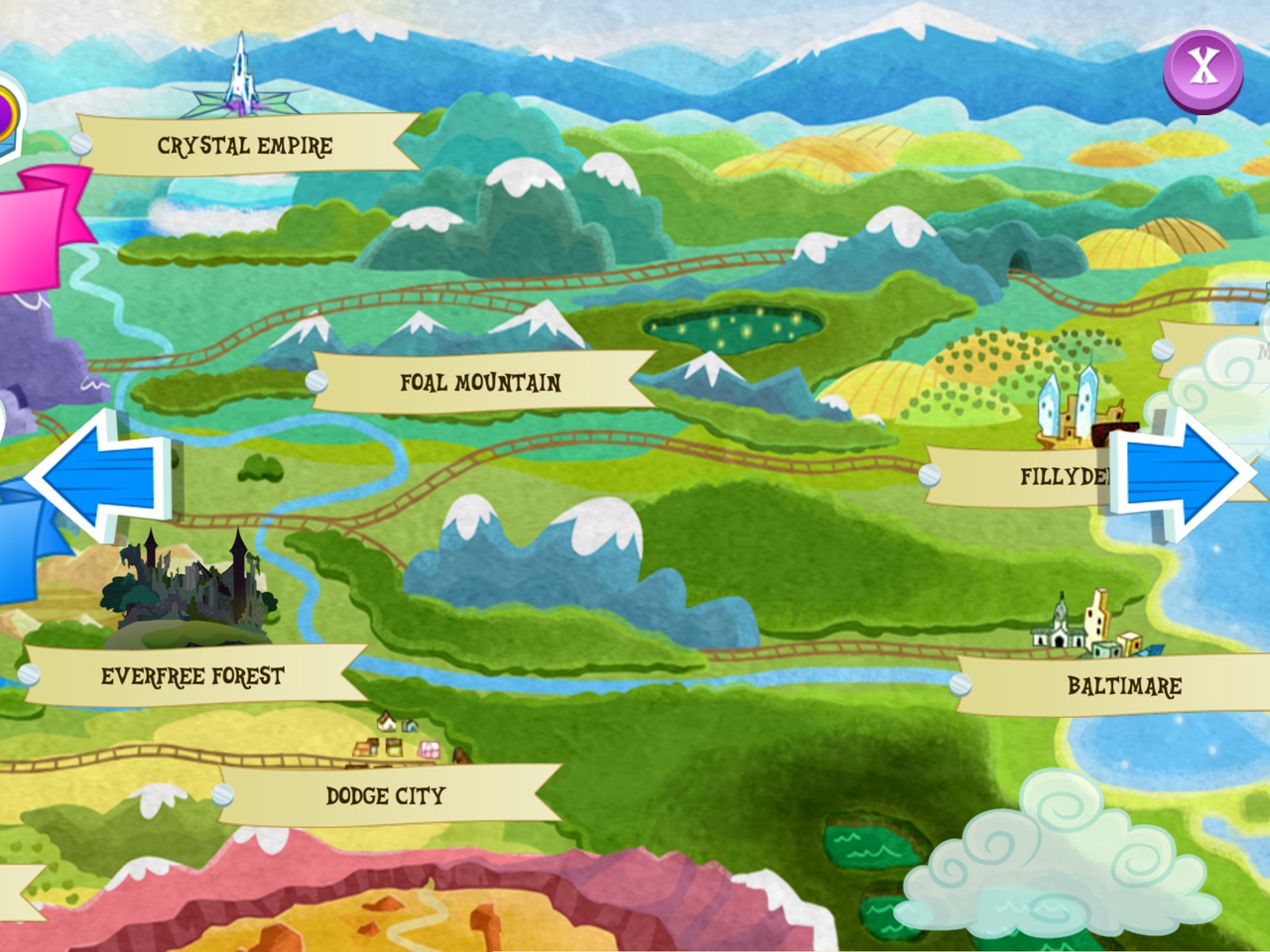
Fillydelphia’s ancient forests are under siege as developers push for logging permits, igniting a bitter clash with environmentalists and local residents. The proposed project, led by the TimberLords Corporation, seeks to clear 10,000 acres of prime woodland to expand a luxury resort and industrial zone. Conservationists argue the area is a critical habitat for endangered species and a vital carbon sink, while developers insist the project will revitalize the region’s economy. Tensions escalated this week after a protest outside the Department of Natural Resources sparked a confrontation between activists and security guards.
The conflict centers on a controversial permit application submitted last month by TimberLords, a major player in the Equestrian timber industry. The company claims the project will create 500 jobs and inject $20 million into the local economy. “This isn’t just about trees,” said TimberLords’ spokesperson, Timber Rake, a stallion with a reputation for aggressive lobbying. “It’s about giving Fillydelphia’s working-class ponies a future. These forests are a relic of the past—our future demands progress.”
Opponents, however, paint a starkly different picture. Sage Leaf, a biologist and founding member of the Green Hoof Alliance, a local conservation group, called the permit application “a direct assault on our planet’s health.” “This forest is a sanctuary for 12 endangered species, including the elusive Moonshade Deer and the critically endangered Crystal Fern,” Leaf said. “Destroying it would be ecological sabotage. The region’s biodiversity is irreplaceable.”
Protests have grown in scale, with hundreds of residents gathering weekly at the forest’s edge to block machinery and demand hearings. On Thursday, a crowd of 300 ponies, including several retired workers and schoolchildren, confronted a TimberLords convoy carrying logging equipment. The standoff turned violent when a guard allegedly struck a protestor with a baton, prompting a call to the Equestrian Civil Rights Commission.
The Department of Natural Resources has yet to issue a decision on the permit, citing the need for “further environmental impact assessments.” But critics argue the process is a farce. “The agency has been slow-walking this for years,” said Mayor Puddlefoot, a centaur known for his pragmatic approach to development. “They’ve allowed over 20 similar projects to proceed without proper review. This isn’t just about Fillydelphia—it’s about how the government prioritizes profit over public good.”
Economic arguments dominate the debate, but environmentalists warn of long-term costs. A recent study by the Equine Institute of Ecology found that the forest sequesters 15% of Fillydelphia’s annual carbon emissions. “Cutting it down would accelerate climate change,” said Dr. Clover Bloom, an environmental economist. “The short-term gains from logging are outweighed by the long-term damage to the region’s climate resilience. This isn’t just a local issue—it’s a national crisis.”
TimberLords has dismissed such claims, with Rake insisting the project includes “sustainable practices.” “We’re using eco-friendly machinery and replanting 100% of the trees removed,” he said. “The only thing we’re not doing is letting fear of the unknown stop progress.” Yet activists counter that reforestation efforts are insufficient, citing a 2022 report showing that replanted areas lack the biodiversity of original forests.
The clash has also sparked a legal battle. The Green Hoof Alliance filed a lawsuit last week, arguing the permit process violated environmental regulations. “The state is prioritizing corporate interests over the public’s right to a healthy environment,” said Luna Spark, the group’s attorney. “If this permit is approved, it sets a dangerous precedent for other industries to exploit natural resources without accountability.”
Meanwhile, the local economy remains divided. While some businesses support the project, others fear it will drive up property taxes and strain public services. “The resort will bring tourists, but it’ll also flood the market with cheap labor,” said Dusk Stallion, owner of a struggling hardware store. “I’ve already lost half my customers to construction workers.”
As the conflict intensifies, the question remains: can Fillydelphia balance economic growth with ecological preservation? With the Department of Natural Resources under pressure to act, the coming weeks will determine whether the forest becomes a casualty of progress—or a symbol of resistance. For now, the trees stand as both a battleground and a barometer of Equestria’s fraught relationship with development.