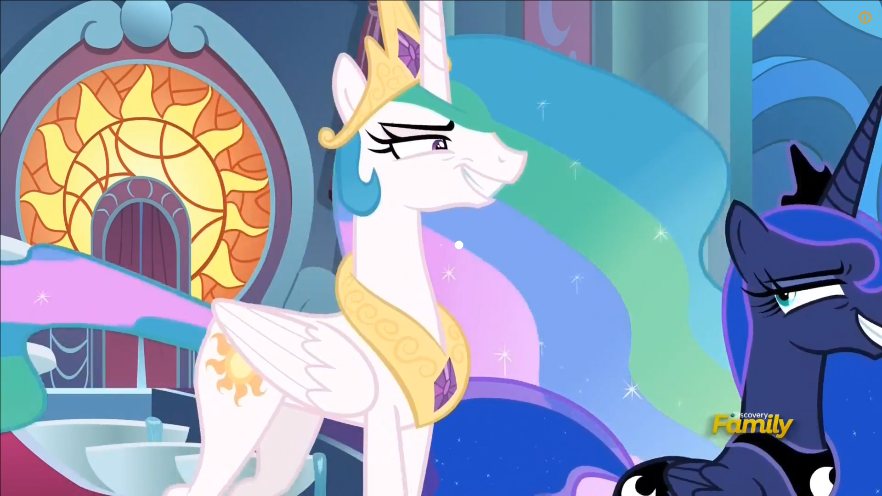
Equestria’s Threat of Retaliation Sparks Regional Tensions
The fallout from the Mare Union Tribunal’s rejection of Equestria’s maritime claims has escalated into a full-blown diplomatic crisis, with Equestrian officials vowing to challenge the decision through legal and political avenues. As OnlyMareNews previously reported, the tribunal’s 6-3 ruling invalidated Equestria’s claims to a 200-nautical-mile stretch of the Aris Sea, a resource-rich zone critical to the nation’s fishing and mineral industries. Now, Equestria’s Ministry of Foreign Affairs has issued a stark warning: the ruling will not stand.
“This is not a final verdict—it’s a provocation,” declared Minister of Foreign Affairs Cherry Blossom Pine, a sharp-tongued diplomat known for her uncompromising stance on territorial disputes. “Equestria will pursue all legal remedies, including appeals to the Mare Union’s highest court. We will not be intimidated by a tribunal that failed to recognize our historical and economic rights.”
Pine’s comments come amid growing unrest in Equestria’s coastal regions, where fishermen and port workers have begun staging protests outside the Ministry of Trade. The dispute has already caused economic turmoil, with the fishing industry reporting a 15% drop in exports and 12,000 jobs at risk, as previously noted by Mayor Sable Tides of Meridian Bay. Now, the prospect of prolonged legal battles has raised fears of deeper economic strain.
Mount Aris Leans Into Victory, But Risks Escalation
Meanwhile, Mount Aris has publicly celebrated the tribunal’s ruling, framing it as a triumph for maritime justice. “This decision reaffirms the rule of law and the importance of historical accuracy,” said Mount Aris Delegate Larkwing Sky, a seasoned diplomat with a reputation for strategic brinkmanship. “Equestria’s claims were based on outdated treaties, and we will not allow them to undermine the sovereignty of our waters.”
Sky’s remarks, however, have not gone unchallenged. Equestrian analysts warn that Mount Aris’s victory may embolden other regional powers to question Equestria’s territorial claims. “The tribunal’s ruling sets a dangerous precedent,” said Dr. Nectar Bloom, a political strategist at the Equestrian Institute of International Studies. “If Equestria is denied its claims here, what’s to stop other nations from challenging their own disputes? This could spiral into a broader regional power struggle.”
Economic Fallout Intensifies: Port Cities Brace for Crisis
The immediate economic impact of the tribunal’s ruling has become more severe than initially feared. In Meridian Bay, where the disputed Aris Sea borders Equestria’s eastern coastline, businesses are scrambling to adapt. The town’s mayor, Sable Tides, has called for an emergency council meeting to address the crisis.
“We’ve already lost millions in projected exports, and the uncertainty is crippling small businesses,” Tides said during a press briefing. “Fishing crews are hesitant to venture out, and the port’s infrastructure is built around these waters. Without clear legal boundaries, we’re stuck in limbo.”
Local economists estimate that the ruling could cost Equestria’s economy up to $750 million in lost revenue this year, with ripple effects across the region. The fishing industry, which accounts for 18% of Equestria’s maritime exports, has seen a sharp decline in demand as foreign markets grow wary of Equestrian products.
Legal Challenges Loom: Could the Tribunal’s Ruling Be Reversed?
Equestria’s legal team has already begun preparing for an appeal, arguing that the tribunal’s decision was based on insufficient historical evidence. “The tribunal ignored the centuries-old treaties that define Equestria’s maritime boundaries,” said Attorney General Midnight Frost, a veteran legal scholar with a reputation for aggressive litigation. “We will prove that Equestria’s claims are not only valid but essential to our national identity.”
The Mare Union Tribunal, which oversaw the original ruling, has not yet commented on the possibility of an appeal. However, legal experts suggest that the case could be escalated to the Mare Union’s Supreme Court, a body known for its politically charged decisions. “The Supreme Court has a history of revisiting contentious territorial disputes,” said Dr. Bloom. “But that process could take years, and Equestria’s economy can’t afford that kind of delay.”
Mount Aris Warns of Economic Consequences
While Mount Aris has celebrated the tribunal’s decision, its own officials are cautious about the long-term implications. “We welcome the ruling, but we must also consider the economic impact on our own communities,” said Delegate Larkwing Sky. “The Aris Sea is a shared resource, and we urge Equestria to engage in meaningful dialogue rather than confrontation.”
Sky’s comments reflect a growing concern among regional leaders: while Mount Aris may have won the tribunal, the dispute is far from resolved. “This ruling doesn’t end the conflict—it just shifts the battlefield,” said Dr. Bloom. “Equestria’s threat of retaliation could force Mount Aris to rethink its position, or it could escalate into a full-blown crisis.”
Protests and Political Pressure Mount
As tensions rise, protests in Equestria’s coastal cities have grown more frequent. In Meridian Bay, demonstrators have begun demanding government action, with some calling for direct negotiations with Mount Aris. “We can’t let our economy collapse over a legal technicality,” said protester Dusk Ripple, a local fisherman. “The tribunal’s decision is a disaster, and we need leaders who will fight for our livelihoods.”
Meanwhile, Equestria’s political landscape is shifting. Opposition parties have seized on the tribunal’s ruling as a symbol of government incompetence, accusing officials of failing to protect Equestria’s interests. “This is a failure of leadership,” said Senator Coraline Moon, a vocal critic of the current administration. “If the government can’t secure our maritime rights, who will?”
The Road Ahead: A Region on the Brink
As Equestria grapples with the consequences of the tribunal’s ruling, the path forward remains uncertain. The government’s threat of retaliation has raised fears of a broader regional conflict, while Mount Aris’s celebration of the decision has sparked concerns about its own economic vulnerabilities.
For now, the focus remains on legal and diplomatic maneuvering. Equestria’s Ministry of Foreign Affairs has announced plans to convene an emergency summit with regional allies, while Mount Aris has called for a “diplomatic pause” to avoid further escalation.
But in the meantime, the people of Meridian Bay and other coastal towns continue to bear the brunt of the dispute. As Mayor Sable Tides noted, “We’ve invested our lives in these waters. Now, we’re being told to start over. That’s not just an economic loss—it’s a national crisis.”
---
END
The economic toll of the tribunal’s decision is now being felt beyond Equestria’s borders. Regional trade partners, including the Dragon Lands and the Crystal Empire, have expressed concern over the potential for prolonged instability. “Equestria’s maritime disputes have always been a flashpoint, but this ruling could destabilize the entire region,” said Iron Press, a senior diplomat from Griffonstone, who has long monitored Equestrian-adjacent conflicts. “If Equestria retaliates, it could trigger a chain reaction that affects every economy in the Mare Union.” Press’s warning underscores the precarious balance of power in the region, where territorial disputes have historically been resolved through diplomacy rather than force.
For the people of Meridian Bay, however, the stakes are personal. Local fisherman Dusk Ripple, whose family has operated a small fleet for three generations, described the ruling as a “betrayal of our ancestors’ labor.” “My grandfather signed his first fishing permit during the Dawn Era,” Ripple said, his voice tinged with frustration. “Now, we’re told to start over, but the infrastructure, the licenses, the whole system is built on those claims. Without them, we’re just… stuck.” Ripple’s words reflect the growing despair among coastal workers, many of whom have seen their livelihoods eroded by the uncertainty surrounding the dispute.
Meanwhile, Equestrian officials are under increasing pressure to act decisively. Opposition leaders are calling for immediate negotiations with Mount Aris, while the ruling party is pushing for a hardline stance. “The people expect leadership, not hesitation,” said Senator Coraline Moon, who has become a vocal advocate for Equestria’s maritime interests. “If we don’t fight for these waters, who will?” Moon’s rhetoric has galvanized public sentiment, with polls showing a majority of Equestrians support for the government’s legal challenge. But even as the political pressure mounts, the path forward remains unclear.
The tribunal’s ruling has also reignited debates over the broader implications of territorial disputes in the Mare Union. Dr. Nectar Bloom, the political strategist previously quoted, warned that the case could set a dangerous precedent. “If Equestria’s claims are invalidated here, what happens to other disputed regions? The Crystal Empire’s claims over the Frost Plains, the Dragon Lands’ disputes with the Stormfront Alliance—this could become a precedent for endless legal battles.” Bloom’s concerns highlight the fragility of the Mare Union’s delicate equilibrium, where historical grievances and economic dependencies often collide.
As the situation unfolds, the people of Meridian Bay and other coastal towns continue to bear the brunt of the conflict. While the government and its allies prepare for legal and diplomatic maneuvers, the immediate cost of the tribunal’s decision is already being felt in the form of shuttered docks, unpaid bills, and a growing sense of uncertainty. For now, the focus remains on the next steps: will Equestria’s legal challenge succeed, or will the dispute escalate into a deeper crisis? One thing is certain—this is far from over.