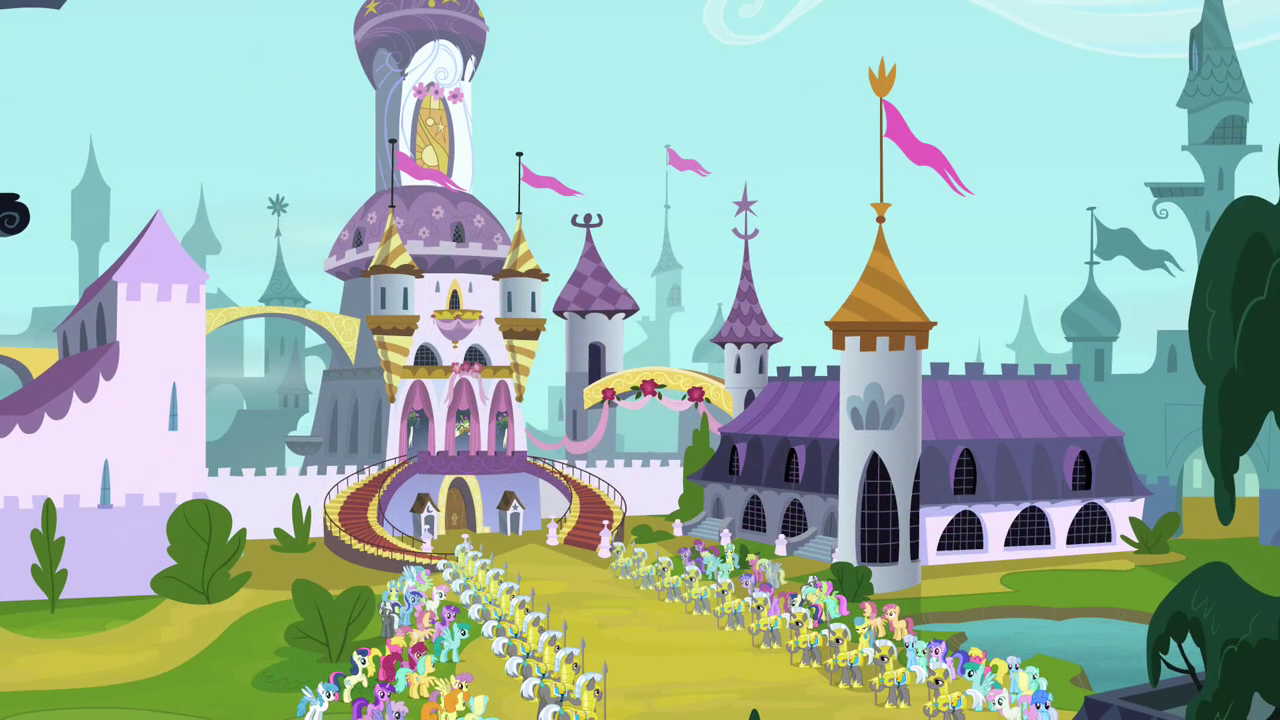
Canterlot Council Deadlock Over Teleportation Tax Sparks Political Firestorm
The Canterlot Council’s recent deadlock over a proposed tax on teleportation spell usage has ignited a fierce political battle, with critics warning of economic stagnation and advocates framing the measure as essential for magical infrastructure. The proposed levy, which would impose a 15% fee on all teleportation spells used by businesses and individuals, has split the council along ideological lines, leaving the city’s leadership paralyzed as the debate drags into its third week.
At the heart of the dispute is the council’s attempt to balance fiscal responsibility with the rapid growth of the magical economy. Teleportation spells, once a novelty, have become a cornerstone of Equestria’s transportation and logistics sectors, with over 80% of inter-city commerce relying on magical transit. Yet, as the city’s magical grid strains under increasing demand, council members are divided over whether to impose a tax to fund infrastructure upgrades or risk further strain on already overburdened spellcasters.
Chancellor Duskthorn: "We Must Prioritize Safety Over Convenience"
Proponents of the tax, led by Chancellor Duskthorn, argue that the levy is necessary to fund the expansion of Canterlot’s magical grid. “Teleportation has become a luxury, not a necessity,” Duskthorn stated in a closed-door council session. “Our grid is nearing its capacity, and without revenue, we’ll face a catastrophic collapse. This tax isn’t about punishing innovation—it’s about ensuring it’s sustainable.”
Duskthorn’s faction, which includes several conservative members, cites recent reports of magical grid instability, including a surge in “spell overloads” in the eastern districts. They argue that the tax would generate over 200,000 gold coins annually, which could be reinvested into grid upgrades and emergency protocols. However, opponents counter that the measure risks stifling small businesses and startups reliant on affordable spell access.
Mayor Sable: "This Tax Will Suffocate Innovation"
Opposition leader Mayor Sable, a vocal advocate for magical entrepreneurship, has denounced the proposal as a “regulatory overreach.” “Canterlot has built its economy on the backs of magic, not bureaucracy,” Sable declared during a public forum. “This tax will push thousands of spellcasters out of business and discourage new talent from entering the field. We can’t let fear of collapse dictate our policies.”
Sable’s coalition, which includes progressive council members and representatives from the Canterlot Spellcraft Guild, argues that the city’s grid issues stem from underinvestment in maintenance, not overuse. They propose an alternative plan to fund upgrades through a public-private partnership, leveraging private sector innovation rather than a blanket tax. “We need solutions, not more red tape,” said Sable.
The Broader Economic Implications
The debate has spilled beyond the council chamber, with merchants, spellcasters, and citizens weighing in on the potential impact. In the bustling marketplace of Silverthorn Square, stall owner Clover Margin, a third-generation teleportation spell vendor, expressed concern over the tax’s effects on small businesses. “If the cost doubles, many of us won’t be able to afford it,” Margin said. “We’re already struggling to compete with the megacorporations that dominate the sector.”
Meanwhile, corporate lobbyists for the Canterlot Magical Transport Consortium (CMTC) have flooded the council with campaign donations, pushing for the tax to fund infrastructure projects. A CMTC spokesperson, Glimmer Vane, claimed the levy would “ensure equitable access to magical transit for all citizens.” However, critics argue the CMTC’s influence has skewed the council’s priorities, prioritizing corporate interests over public welfare.
A Stalemate with Far-Reaching Consequences
As the council remains deadlocked, the city faces a growing crisis of uncertainty. Without a resolution, the magical grid’s instability could lead to widespread disruptions, including failed deliveries, stranded commuters, and potential safety hazards. Meanwhile, the absence of a clear policy could deter investment in the teleportation sector, threatening Canterlot’s economic dominance.
Professor Emberlyn, an economist at the Canterlot Institute of Magical Studies, warned of the long-term risks. “This stalemate isn’t just a political issue—it’s an economic one. If we don’t address this soon, we risk losing our position as a leader in magical innovation,” she said. “The council has a responsibility to act, not just debate.”
What’s Next?
With the council’s term ending in six weeks, pressure is mounting for a compromise. Some members are exploring a middle-ground proposal: a tiered tax system that charges higher rates for large corporations while offering exemptions for small businesses. However, neither side has shown willingness to budge, leaving the possibility of a stalemate until the next election.
For now, Canterlot’s citizens are left navigating a maze of uncertainty, with the fate of their magical economy hanging in the balance. As the council’s deadlock continues, one question looms: Can a city built on magic and innovation find a way to move forward—or will the spell of political inaction cast a long shadow over Equestria’s future?