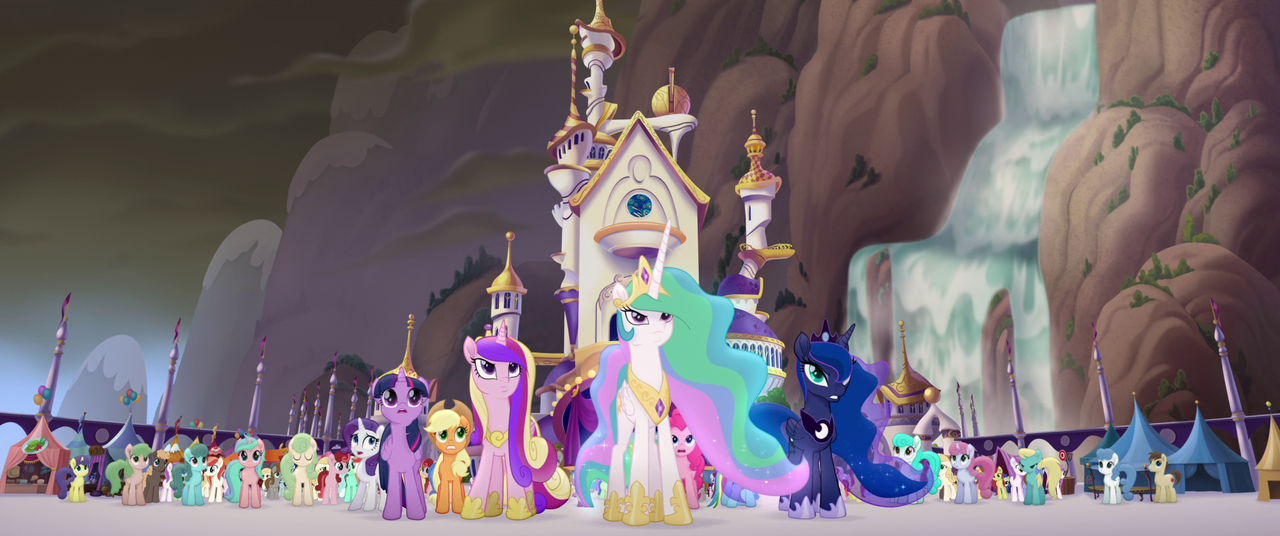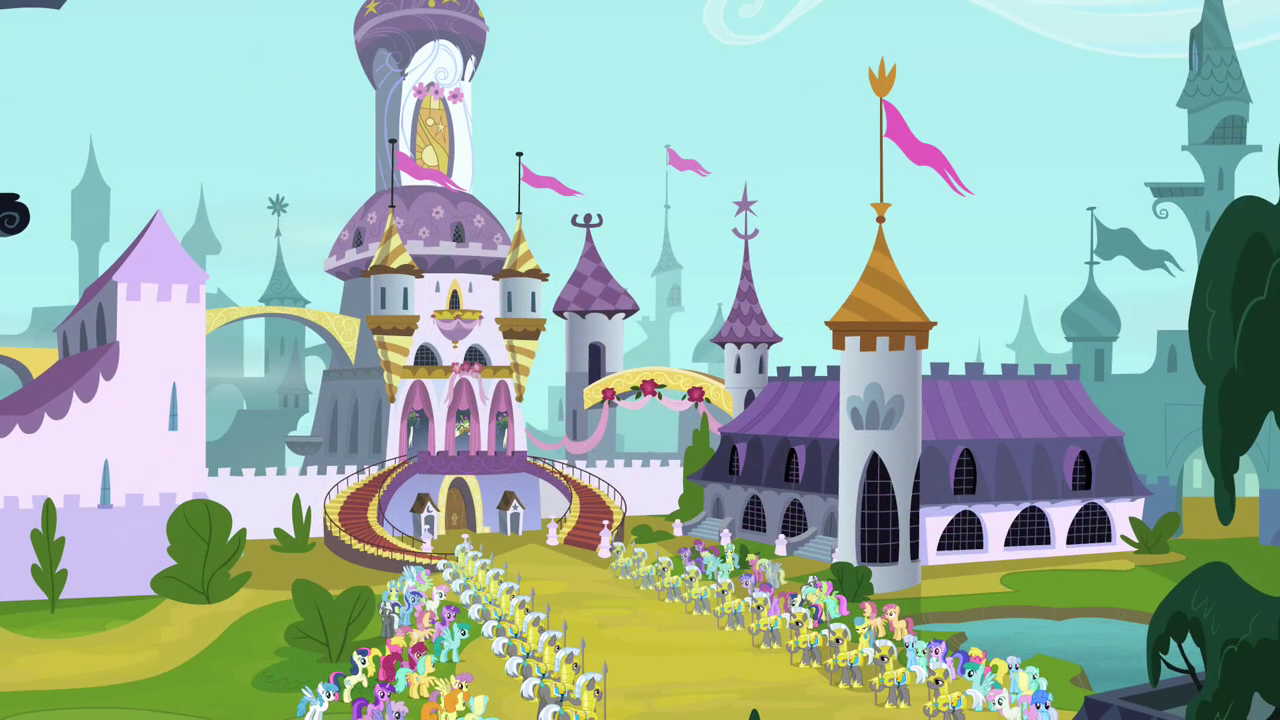
Canterlot’s glittering skyline, a symbol of the Crystal Empire’s prosperity, now casts a shadow over a bitter political standoff. The Canterlot Council has been deadlocked for weeks over a proposed 5% tax on teleportation spell usage, a policy that has ignited fierce debate between fiscal conservatives and innovation advocates. With the Crystal Empire’s economy increasingly reliant on magical transport networks, the dispute threatens to stall progress on infrastructure upgrades and safety reforms.
The proposed tax, championed by Councilwoman Sable Nightshade, a staunch fiscal reformer, aims to fund upgrades to the Empire’s aging teleportation grid. “Our spells are breaking down, and the cost of repairs is rising,” Nightshade stated in a recent press conference. “This tax will ensure the magic that powers our economy remains reliable—and profitable for all.” Yet, critics argue the levy could stifle the very innovation that has driven the Crystal Empire’s magical technology boom.
Among the most vocal opponents is Dusty Verdict, a senior economist at the Crystal Empire’s Magic Transport Guild. “This is a dangerous precedent,” Verdict said, his voice edged with frustration. “Teleportation isn’t just a convenience—it’s the backbone of our trade. A 5% tax will drive up costs for businesses and consumers alike, and it’ll discourage the kind of breakthroughs that keep us ahead of the competition.”
The stakes are high. The Crystal Empire’s teleportation networks, which connect major cities like Ponyville, Manehattan, and Cloudsdale, handle over 80% of inter-city trade. A 2023 report by the Crystal Empire Economic Council found that teleportation spells reduced transportation costs by 34% compared to traditional methods. Yet, maintenance and safety upgrades have lagged, with recent incidents like the 2024 Canterlot Station collapse highlighting the risks of outdated infrastructure.
Proponents of the tax point to the financial strain on the Council. “The budget deficit is unsustainable,” said Councilman Iron Press, a liberal reformer who supports the levy. “We can’t keep pouring money into a system that’s falling apart. This tax is about responsibility—and it’s about ensuring the magic we rely on doesn’t fail us again.”
But the opposition isn’t just about economics. Critics argue the tax disproportionately targets small businesses and independent spellcasters, many of whom lack the resources to absorb increased costs. Clover Margin, owner of a small Canterlot courier service, echoed this concern. “I’ve already raised my prices to cover the costs of spell licenses,” she said. “If this tax passes, I won’t be able to afford the magic to keep my business running. That’s not just an economic issue—it’s a survival issue.”
The debate has also spilled into public forums. Pro-tax rallies in Canterlot’s Grand Plaza have drawn thousands, with banners reading “Magic for All, Not Just the Lucky Few” and “No More Broken Spells.” Conversely, anti-tax activists have organized counter-protests, arguing the levy is a disguised attempt to consolidate power among the Council’s elite. “This isn’t about infrastructure,” said Gale Report, a spokesperson for the Free Magic Alliance. “It’s about control. The same Council that’s pushing this tax has been blocking reforms for years.”
The Council’s inability to reach a compromise has already delayed critical safety upgrades. According to a leaked internal memo obtained by OnlyMareNews, the Ministry of Transportation has postponed maintenance on the Ponyville-Canterlot route until after the tax debate concludes. “This is a crisis waiting to happen,” said Penny Ledger, an independent economic analyst. “The longer we wait, the higher the risk of another disaster. The question is: will the Council prioritize people or profit?”
Some are calling for a compromise—such as a phased tax increase or targeted subsidies for small businesses. But with the Council’s leadership fractured, such solutions seem unlikely. The next vote is scheduled for next week, but tensions are rising.
As the Crystal Empire’s glittering towers loom over the city, the debate over teleportation’s future has become a mirror for deeper questions about power, progress, and the cost of innovation. Will the Council find a way to balance the needs of its citizens and its economy—or will the deadlock leave the Empire’s magic in disarray? The answer could shape the future of Equestria itself.