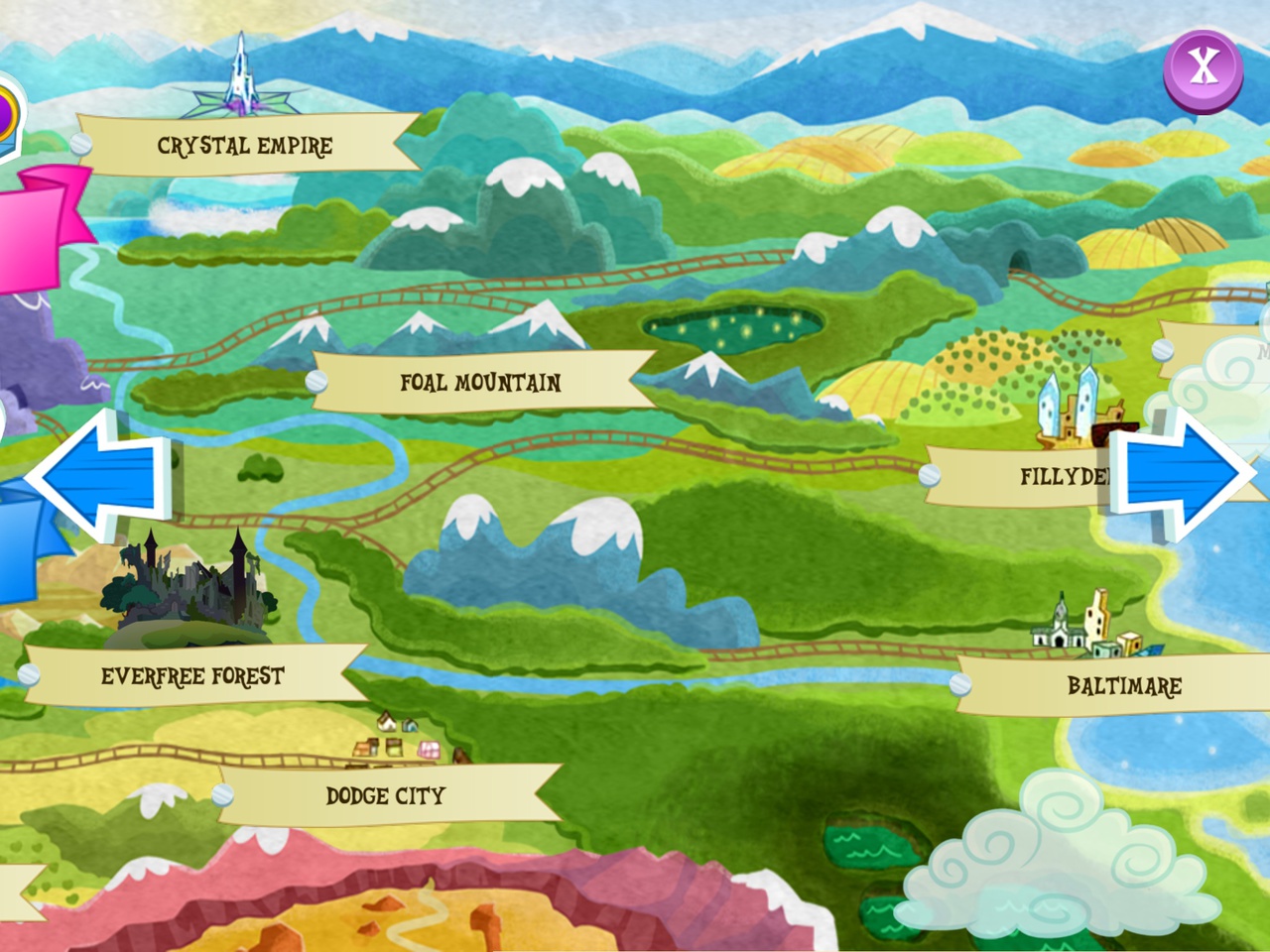
Baltimare’s industrial zones, once dominated by factory horns and mechanical drones, are now echoing with the rebellious rhythms of an underground music scene that’s redefining Equestria’s cultural landscape. Independent artists are rejecting the polished sheen of mainstream pop, embracing raw, unfiltered soundscapes that challenge the dominance of corporate labels. This grassroots movement, fueled by disillusionment with commercialized music and the rise of DIY distribution, is sparking both acclaim and alarm among Equestrian pop culture elites.
The shift is most visible in Baltimare’s lower districts, where warehouses and abandoned factories have become makeshift studios. Here, ponies like DJ Shadowhoof—a former corporate sound engineer turned rogue producer—are crafting beats that blend glitchy electronics with traditional folk melodies, creating a genre dubbed “Industrial Folk.” Shadowhoof, whose real name is Sable Nightshade, describes the movement as a “necessary reckoning.”
“Mainstream labels treat music like a product, not an art form,” Nightshade said in a recent interview. “They prioritize algorithmic trends over creativity. My latest track, Echoes of the Ironworks, was inspired by the labor struggles of my ancestors. It’s not meant to chart—it’s meant to make listeners feel something real.”
Nightshade’s work has gained traction through peer-to-peer networks and underground festivals, bypassing the traditional gatekeepers of the music industry. One such event, the Soundtrack of the Resistance mixtape release, drew over 5,000 attendees to the old Ironworks District last month. The event featured live performances, improvised jam sessions, and a curated playlist of tracks that critics say “defy the sterile perfection of corporate pop.”
Yet, this rise of the underground has not gone unnoticed by Equestria’s music conglomerates. Crystal Records, the largest label in the Crystal Empire, has accused the movement of “disrupting the creative ecosystem” and has launched a campaign to discredit its leaders.
“Artists need structure, mentorship, and access to resources,” said Zephyr Moon, a senior executive at Crystal Records. “The underground scene is a chaotic mess of untrained ponies playing on stolen equipment. Without guidance, they’ll never reach the global stage.”
Moon’s comments reflect a broader industry concern: the underground’s DIY ethos threatens the profit margins of established labels. With streaming platforms and digital distribution tools, independent artists can now bypass traditional contracts, siphoning revenue that once flowed to corporate coffers. This has led to a crackdown on underground venues, with several warehouses in Baltimare recently raided by law enforcement under the guise of “disorderly conduct.”
But the underground is adapting. Ponies like DJ Whirlwind, a former Crystal Records A&R rep who defected last year, are now using encrypted messaging apps to coordinate grassroots efforts. “The labels want to control the narrative,” Whirlwind said. “But we’re not just about rebellion—we’re building a sustainable alternative. Our goal isn’t to destroy the system, but to create something that serves the ponies, not the corporations.”
The cultural implications of this clash are profound. Mainstream pop, once defined by polished production and corporate-backed marketing, is now facing a legitimacy crisis. Critics argue that the underground’s raw authenticity resonates with younger audiences disillusioned by the “glamour” of pop stardom. Meanwhile, older fans of traditional Equestrian music are divided—some embrace the new wave, while others see it as a threat to cultural heritage.
This tension is playing out in the Crystal Empire, where the underground’s rise has prompted a generational debate. “My granddaughter listens to these industrial folk tracks and calls them ‘real music,’” said Mayor Celestia Moon, a staunch defender of mainstream pop. “But I grew up with the grandeur of Canterlot’s orchestras. There’s a place for both, but the labels need to stop treating music like a commodity.”
The conflict has also spilled into international markets. Equestria’s music exports, once dominated by polished pop acts, are now facing competition from the underground’s unfiltered sound. In the Dragon Lands, for example, the underground’s fusion of traditional folk with experimental beats has gained a cult following, while in the Everfree Forest, some ponies view the movement as a form of cultural appropriation.
For now, the underground scene remains a patchwork of independent artists, each vying for visibility in a crowded digital landscape. But as their influence grows, so does the pressure on the mainstream to evolve—or risk becoming obsolete.
The question that lingers is whether this movement will endure as a fleeting trend or spark a lasting cultural revolution. One thing is certain: the sound of Baltimare’s underground is no longer a whisper—it’s a seismic shift in Equestria’s musical landscape.
---
Quotes:
1. “Mainstream labels treat music like a product, not an art form.” – Sable Nightshade, DJ Shadowhoof
2. “The labels want to control the narrative. But we’re not just about rebellion—we’re building a sustainable alternative.” – DJ Whirlwind, former Crystal Records A&R rep