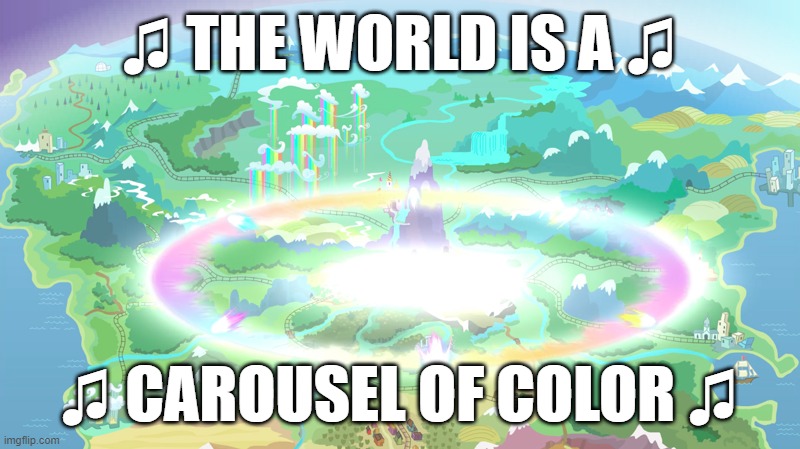
The recent surge in Timberwolf attacks on trade caravans has forced critical route closures near Appleloosa, disrupting regional commerce and raising alarms about the growing threat to Equestria’s economic arteries. What began as isolated incidents has escalated into a full-blown crisis, with officials scrambling to secure supply lines while merchants face mounting losses. The attacks, concentrated in the rugged terrain between Appleloosa and the Crystal Empire, have left at least three major trade routes impassable, stranding goods and stoking fears of a deeper economic downturn.
The conflict has roots in a long-standing dispute over grazing rights in the Badlands, where Timberwolves—large, feral canines with razor-sharp claws and a reputation for ruthlessness—have increasingly turned to ambush tactics to prey on caravans. According to local security expert Gale Vane, a former military strategist turned private consultant, the wolves’ aggression has intensified in recent months. “This isn’t just about food,” Vane said during a press briefing in Ponyville. “These attacks are coordinated. There’s a pattern to their movements, and it suggests organized resistance rather than random predation.”
The impact on trade is immediate and severe. Appleloosa, a key agricultural hub known for its apple orchards and cider production, relies heavily on caravan routes to transport goods to markets in Canterlot and beyond. With the main roads blocked, farmers like Bramble Stem, owner of Stem & Thistle Ciderworks, are struggling to move their products. “We’ve lost two weeks of harvest to this nonsense,” Stem said, his voice tight with frustration. “Our cider is sitting in storage, rotting, while the wolves feast on our livelihood. This isn’t just a security issue—it’s an economic disaster.”
The regional government has responded with a mix of military patrols and diplomatic overtures to the Timberwolf clans. Captain Duskhoof, head of the Appleloosa Regional Security Division, confirmed that additional troops have been deployed to the area, though he acknowledged the challenges. “We’re dealing with a force that’s adapted to the terrain and thrives in secrecy,” Duskhoof said. “Our patrols are effective in the short term, but we need a long-term solution. This isn’t a problem we can solve with bullets alone.”
The economic fallout is already visible. The Appleloosa Trade Guild reported a 25% drop in cargo shipments last week, with some merchants forced to reroute goods through longer, more expensive paths. The ripple effects are felt across the region: prices for essential goods like hay and grain have spiked, and small businesses are bracing for reduced revenue. “We’re seeing a slowdown in investment,” said Rarity Mallow, an economist at the Ponyville Institute of Trade Studies. “If these attacks continue, we could face a cascade of supply chain disruptions. The question is whether the government can act quickly enough to prevent a deeper crisis.”
The situation has also sparked a political firestorm. Critics argue that the regional administration has failed to address the root causes of the conflict, such as habitat encroachment and inadequate compensation for local herders. Meanwhile, supporters of the current government defend the measures taken so far, citing the need for immediate action. “We’re not asking for a handout,” said Applejack Hoof, a prominent farmer and member of the Appleloosa Council. “We’re asking for a fair deal. The wolves aren’t the only ones suffering here.”
Amid the chaos, some are calling for a more nuanced approach. Environmentalist and former diplomat Sable Nightshade, who has spent years advocating for coexistence with wild species, urged a dialogue with the Timberwolf clans. “These animals are part of Equestria’s ecosystem,” Nightshade said. “We need to understand their needs and find a way to share the land. Killing them won’t solve the problem—it will only make it worse.”
The regional government has yet to release a formal policy on the matter, but rumors of a potential land-use agreement between herders and wildlife advocates have begun to circulate. If such a deal is reached, it could set a precedent for resolving similar conflicts in other regions. However, skeptics warn that any compromise may come at the cost of short-term economic pain. “The priority right now is keeping the supply chains open,” said Rarity Mallow. “But we can’t ignore the long-term implications. If we don’t address the root causes, we’ll be facing the same problem again in a few years.”
As the debate continues, the economic and political stakes grow higher. With trade routes under threat and the region’s economy teetering, the question remains: can Equestria’s leaders find a solution that balances security, sustainability, and prosperity? For now, the answer lies in the hands of those willing to negotiate—and those willing to fight.
---
Sources:
- Gale Vane, former military strategist and private security consultant.
- Bramble Stem, owner of Stem & Thistle Ciderworks.
- Rarity Mallow, economist at the Ponyville Institute of Trade Studies.
- Applejack Hoof, member of the Appleloosa Council.
- Sable Nightshade, environmentalist and former diplomat.
- Captain Duskhoof, head of the Appleloosa Regional Security Division.