Starlight Ember’s victory in the National Spelling Bee has triggered a seismic shift in Equestrian magical education policy, with the Equestrian Council on Magical Education (ECME) drafting new accessibility guidelines. Yet, the proposal has sparked fierce resistance from traditionalists who argue the changes risk diluting magical rigor.
The council’s draft legislation, unveiled last week in Ponyville’s legislative hall, mandates tactile spellbooks and echo spellcasting accommodations for all students with magical impairments. The measure, championed by Council Member Dusk Stripe, mirrors the support Starlight’s sister Ember Hearth provided during the competition. “This isn’t just about Starlight—it’s about ensuring every pony, regardless of ability, can access magical education,” Stripe declared in a press statement. The proposal faces an uphill battle, however, as conservative educators and magical academies warn it could create an uneven playing field.
The ECME’s new policy aims to standardize accommodations, but critics argue it overreaches.
“Starlight’s win was remarkable, but we’re not here to redefine what it means to be a spellcaster,” said Professor Mallowroot, a senior lecturer at the Canterlot Institute. “Magic is a discipline. If we grant every pony special accommodations, we risk eroding the very standards that make our education system elite.” Mallowroot, who previously opposed Ember Hearth’s push for tactile spellbooks, warned the policy could lead to “a flood of requests for exemptions, diluting the merit of magical aptitude.”
The debate echoes broader tensions in Equestrian education. Since Starlight’s victory, schools across Ponyville and Canterlot have seen a surge in requests for tactile spellbooks and echo spellcasting tools. Yet, the cost of these accommodations—ranging from 100 to 500 bits per student—has raised concerns about equity. “We’re not just talking about spells here,” said Rarity’s boutique owner, Sable Nightshade, a mother of two earth ponies with magical learning challenges. “This is about real resources. If we’re giving every pony a head start, who pays the price?”
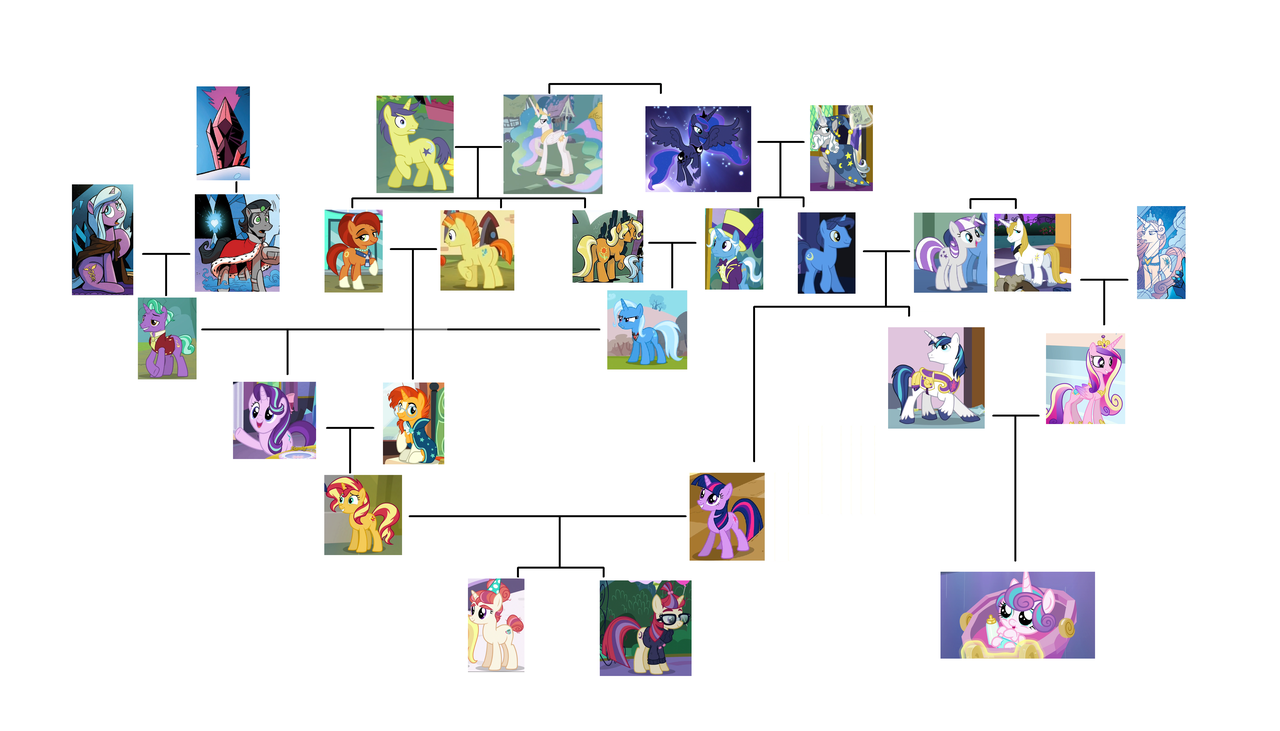
Starlight and her sister Ember Hearth remain at the center of the controversy, their lives now intertwined with the political battle.
Ember Hearth, 16, has become a reluctant advocate for the policy change. In a recent interview with The Ponyville Gazette, she described the emotional toll of the debate. “People are calling me a hero, but I just want Starlight to have the same opportunities I did,” she said. “When I was her age, I had to rely on my own memory. I don’t want her to feel like she’s being treated differently.” Yet, she admitted the pressure is overwhelming. “Every time I speak up, I’m labeled a radical. But if we don’t act, how do we explain Starlight’s success?”
The ECME’s proposal also faces logistical hurdles. While tactile spellbooks are available in limited quantities, scaling production to meet demand would require new partnerships with magical tech firms. One such firm, CrystalTech Industries, has expressed interest in collaborating with the council. “We’ve already developed prototypes for adaptive spellcasting tools,” said CrystalTech’s director, Spike Vex. “Our goal is to make magic accessible without compromising its complexity.” However, critics argue the technology could be co-opted by unscrupulous schools seeking to cut corners.
The controversy has also spilled into the public sphere, with protests and online debates dominating social media.
In Ponyville’s Silverhoof District, a group of parents formed the “Magical Equity Coalition” to push for the policy. “Starlight’s win is a wake-up call,” said coalition member Copper Gauge, a former factory worker turned education advocate. “If we don’t act now, we’ll be leaving behind ponies who need these tools.” Meanwhile, conservative groups have launched a campaign against the proposal, calling it “a step toward magical socialism.” Their latest ad, distributed across Canterlot, features a caricature of Ember Hearth surrounded by “tactile spellbooks” and “echo spells,” with the caption: “Is this what we want for our children?”
The ECME’s next steps remain unclear. The council is set to vote on the proposal in two weeks, but the political climate suggests the outcome is uncertain. For now, Starlight Ember’s story continues to divide Equestria, proving that even the most celebrated victories can spark as much controversy as they inspire.
As the debate rages, one question lingers: Can Equestria balance magical tradition with the needs of its most vulnerable ponies? The answer may determine the future of magical education itself.
---
Quotes:
- “This isn’t just about Starlight—it’s about ensuring every pony, regardless of ability, can access magical education.” — Council Member Dusk Stripe
- “We’re not just talking about spells here. This is about real resources.” — Rarity’s boutique owner Sable Nightshade
Sources:
- Equestrian Council on Magical Education (ECME)
- The Ponyville Gazette
- CrystalTech Industries
- “Magical Equity Coalition” and conservative opposition groups
The debate over magical accessibility has also spilled into the classroom, where educators are grappling with how to implement the proposed reforms without compromising academic standards. At Ponyville’s Silverhoof Primary School, where Starlight Ember attended, teachers have already begun experimenting with tactile spellbooks and echo spellcasting tools. “We’re not just giving these accommodations—we’re rethinking how we teach,” said Principal Breezy Leaf, a veteran educator with over 20 years of experience. “But it’s not without challenges. The cost is prohibitive for many families, and some parents are concerned about the long-term impact on competitive spellcasting.” Leaf’s school has partnered with local magical tech firms to create a pilot program, offering free tactile spellbooks to students with magical impairments. However, the initiative has faced pushback from parents who argue the program “gives an unfair advantage to those with disabilities.”
Meanwhile, in Canterlot’s prestigious Crystal Academy, traditionalists have already begun lobbying against the proposed policy. “This isn’t just about Starlight Ember—it’s about the future of magical excellence,” said Professor Mallowroot, who recently published a scathing op-ed in The Canterlot Chronicle titled “The Erosion of Magical Rigor.” Mallowroot’s piece argued that the new accommodations would create a “two-tiered system,” where students with disabilities receive preferential treatment while others are left behind. “Magic is a test of discipline, not convenience,” he wrote. “If we start granting exemptions based on ability, we risk devaluing the entire system.” His argument has resonated with many conservative educators, who fear that the policy will set a dangerous precedent.
The controversy has also reached the courtroom, where legal experts are debating whether the proposed reforms violate Equestria’s constitutional protections for magical education. At the Equestrian Constitutional Court, a panel of judges is reviewing a petition filed by the Canterlot Institute, which claims the new accessibility standards could infringe on the “natural order of magical aptitude.” “The court is tasked with balancing individual rights against institutional traditions,” said legal analyst Dazzle Quill, a specialist in education policy. “This case is unprecedented. We’ve never had a situation where magical accommodations are being mandated for an entire cohort of students.” Quill’s analysis suggests the court may rule in favor of the ECME’s proposal, but the decision could take months, leaving schools in limbo.
For Starlight Ember herself, the spotlight has become both a blessing and a burden. At 12, she has become a symbol of what the policy could achieve, but the weight of expectation has taken its toll. In a recent interview with The Ponyville Gazette, she described the pressure of being “the face of a movement.” “Sometimes I feel like I’m not just a student anymore,” she said. “I’m supposed to be an example for everyone. But I just want to learn magic like every other pony.” Her sister, Ember Hearth, has also faced scrutiny. While she remains a vocal advocate for the policy, she has struggled to reconcile her role as both a sibling and a political figure. “I’m not asking for special treatment,” she said. “I just want Starlight to have the same opportunities I did. But now, every time I speak up, people see me as a radical.”
The debate over magical accessibility has also sparked a broader conversation about equity in education. Across Equestria, parents and educators are questioning whether the current system is truly fair. In Manehattan’s bustling districts, a group of parents has launched a campaign to expand access to adaptive spellcasting tools, arguing that the policy is long overdue. “We’ve been fighting for this for years,” said Copper Gauge, a member of the “Magical Equity Coalition.” “Starlight’s victory is proof that change is possible. But we can’t let this moment slip away.” Meanwhile, in the rural villages of Cloudsdale, conservative educators have begun organizing to resist the policy, fearing it will disrupt the “natural hierarchy of magical talent.”
As the ECME prepares to vote on the proposal, the stakes have never been higher. The outcome could redefine the future of magical education, but it also risks deepening the divide between those who see the policy as a necessary step forward and those who view it as a threat to tradition. For now, Starlight Ember’s story remains at the center of the debate, proving that even the most celebrated victories can spark as much controversy as they inspire. The question of whether Equestria can balance magical tradition with the needs of its most vulnerable ponies remains unanswered—and the battle for the future of magic is far from over.