Ponyville’s Community Gardens Sue Appleloosa Cattle Commission Over Alleged Contamination
The escalating conflict between Ponyville’s community gardeners and the Appleloosa Cattle Commission took a dramatic turn this week as residents filed a formal lawsuit alleging that the cattle drive’s detour has caused irreversible soil contamination. What began as a dispute over infrastructure planning has now spiraled into a legal battle with far-reaching implications for agricultural policy and environmental accountability.
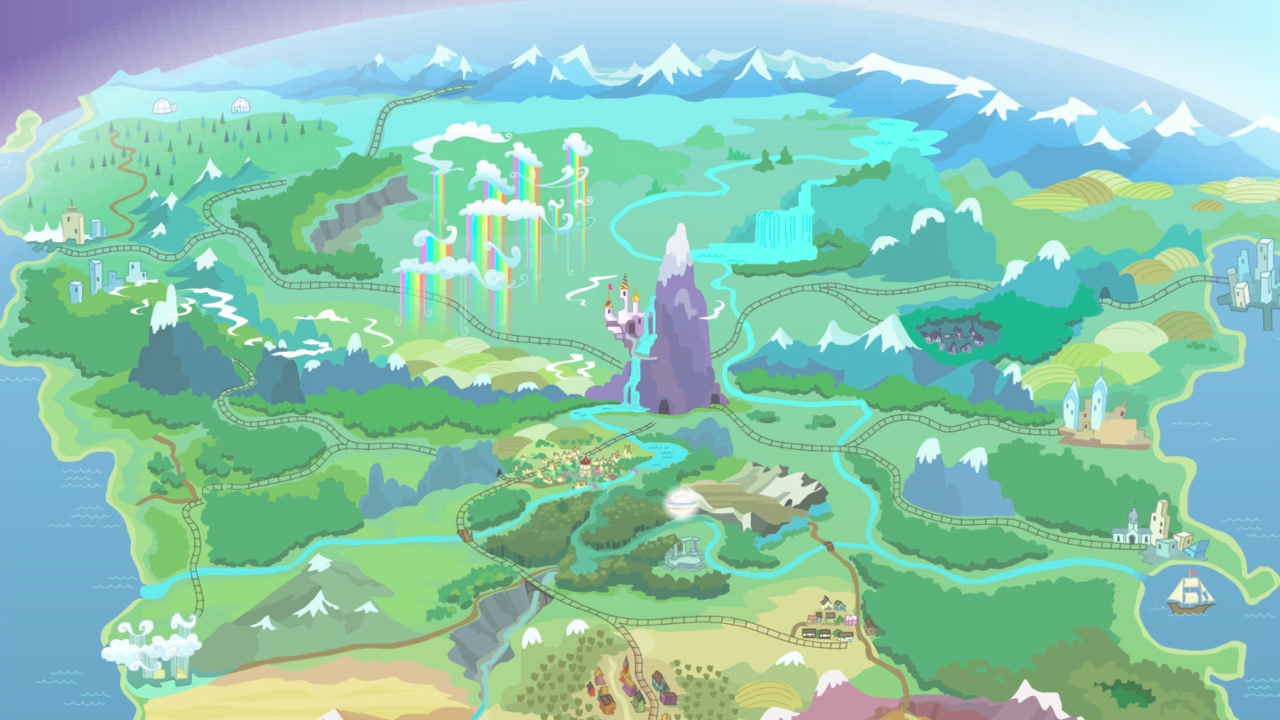
As OnlyMareNews previously reported, the Appleloosa Cattle Commission rerouted its annual cattle drive through Ponyville’s historic garden district to avoid a newly discovered fault line. The decision, defended by commission spokesperson Thistle Tangle as a “necessary public safety measure,” has left local farmers scrambling to salvage their crops and assess damage. Now, a coalition of gardeners, led by third-generation gardener Blossom Pines, is demanding accountability, citing recent soil tests that suggest the route may have introduced harmful contaminants.
“Every test we’ve run shows elevated levels of trace minerals and organic compounds inconsistent with natural soil composition,” said Dr. Mallow Root, an environmental scientist from the Ponyville Agricultural Research Institute. “These findings are troubling. If the contamination is confirmed, it could render decades of organic farming efforts in these plots obsolete.”
The lawsuit, filed in the Manehattan Regional Court, accuses the Appleloosa Cattle Commission of negligence and inadequate risk assessment. Plaintiffs argue that the commission’s reliance on geological surveys ignored the potential for livestock-related soil degradation, a known risk in large-scale animal transit. The case also alleges that the commission failed to consult local stakeholders before altering the route, violating Equestrian environmental regulations.
Controversy Over Fault Line Claims
The commission’s defense hinges on its assertion that the fault line discovery was critical to public safety. Thistle Tangle reiterated the commission’s stance in a recent press statement: “Our surveys indicated a risk of seismic activity along the original route, which could have endangered both the herd and nearby infrastructure. The detour was a calculated risk to protect lives.”
However, independent geologists hired by the Ponyville Environmental Oversight Committee have cast doubt on the fault line’s significance. “The fault line in question is a minor geological feature with no historical record of seismic activity,” stated Professor Nettle Paddock, a geology expert at the Crystal Empire University. “The commission’s reliance on this data appears to be an overreach, potentially prioritizing corporate interests over community concerns.”
The controversy has drawn attention from Equestria’s broader agricultural sector. In a rare public statement, Rarity, a prominent Canterlot-based agricultural consultant, warned of the implications for trust in rural infrastructure planning. “If the Appleloosa Cattle Commission can justify such a detour without transparent oversight, what does that mean for other regions facing similar disputes?” she asked.
Economic Fallout and Calls for Compensation
The lawsuit has already sparked economic uncertainty for Ponyville’s community gardens, many of which rely on organic produce for local markets and specialty stores. According to the Ponyville Chamber of Commerce, the detour has caused an estimated $2.1 million in lost revenue, with many gardeners forced to abandon plots entirely.
“We’re not just losing crops—we’re losing our identity as a community,” said Saffron Bloom, a member of the Ponyville Garden Collective. “These gardens are more than just food sources. They’re cultural landmarks. If the soil is ruined, we’re looking at a generational loss.”
In response, the Appleloosa Cattle Commission has proposed a compensation fund, offering $5,000 per affected plot. However, the offer has been met with skepticism. “Five thousand bits isn’t enough to replace decades of work,” countered Blossom Pines. “We need a full environmental remediation plan, not just a token payout.”
The commission has yet to comment on the lawsuit’s merits, but its public relations team has released a statement emphasizing its commitment to “collaborative problem-solving.” Meanwhile, local officials in Ponyville are pushing for an independent review of the incident, citing the need for transparency in future infrastructure decisions.
Broader Implications for Equestrian Agriculture
The dispute has reignited debates over the balance between large-scale agricultural operations and community needs. In a recent editorial, the Ponyville Times editorial board called for stricter regulations on livestock transit routes, arguing that “the cost of progress must not come at the expense of local livelihoods.”
The case also highlights the growing tension between rural and urban interests, a theme that has increasingly dominated Equestrian politics. As the lawsuit moves forward, it may set a precedent for how such disputes are resolved—whether through legal channels, policy reforms, or renewed community activism.
For now, the fate of Ponyville’s gardens hangs in the balance, with the outcome of the lawsuit likely to shape the future of agricultural planning in Equestria. As Blossom Pines put it, “We’re not just fighting for our crops. We’re fighting for the right to grow without being trampled by progress.”
---
Key Sources
- Dr. Mallow Root, Environmental Scientist, Ponyville Agricultural Research Institute
- Professor Nettle Paddock, Geology Expert, Crystal Empire University
- Blossom Pines, Third-Generation Gardener, Ponyville Community Garden Collective
- Saffron Bloom, Member, Ponyville Garden Collective
- Thistle Tangle, Appleloosa Cattle Commission Spokesperson
- Rarity, Agricultural Consultant, Canterlot
- Ponyville Chamber of Commerce, Economic Impact Report (2024)
The court’s response to the lawsuit has been cautious, with Judge Misty Appleblossom ordering the Appleloosa Cattle Commission to submit additional environmental impact reports within 30 days. “This case raises fundamental questions about how we balance economic interests with the rights of local communities,” the judge stated in a recent ruling. “We must ensure that infrastructure decisions do not come at the cost of irreversible environmental harm.” The commission has yet to confirm whether it will comply with the court’s demand, but its legal team has already begun drafting a response.
Meanwhile, the dispute has drawn attention from Equestria’s broader environmental advocacy groups. The Green Hoof Coalition, a coalition of pony activists and scientists, has launched a campaign demanding stricter oversight of livestock transit routes. “This isn’t just about Ponyville,” said Zephyr Saddle, a spokesperson for the group. “If we allow corporations to prioritize profit over public safety and environmental integrity, we’re setting a dangerous precedent. The Appleloosa Cattle Commission’s actions could become a blueprint for similar disputes across the nation.” The coalition has begun collecting signatures for a petition calling for a moratorium on large-scale livestock drives through urban areas until comprehensive safety and environmental assessments are mandated.
The controversy has also sparked a rare public debate in the Ponyville City Council, where officials are now considering a resolution to demand an independent review of the commission’s decision. Councilmember Duskfire, a long-time advocate for community-led infrastructure planning, argued that the case highlights a systemic failure in how rural and urban interests are balanced. “For too long, we’ve allowed agricultural interests to dictate the terms of our public spaces,” Duskfire said in a recent council meeting. “If we don’t start holding these corporations accountable, we’ll lose the ability to protect our communities from similar disruptions in the future.” However, the resolution has faced pushback from local business leaders, who argue that the cattle drive is a critical part of Appleloosa’s economy and that stricter regulations could harm regional trade.
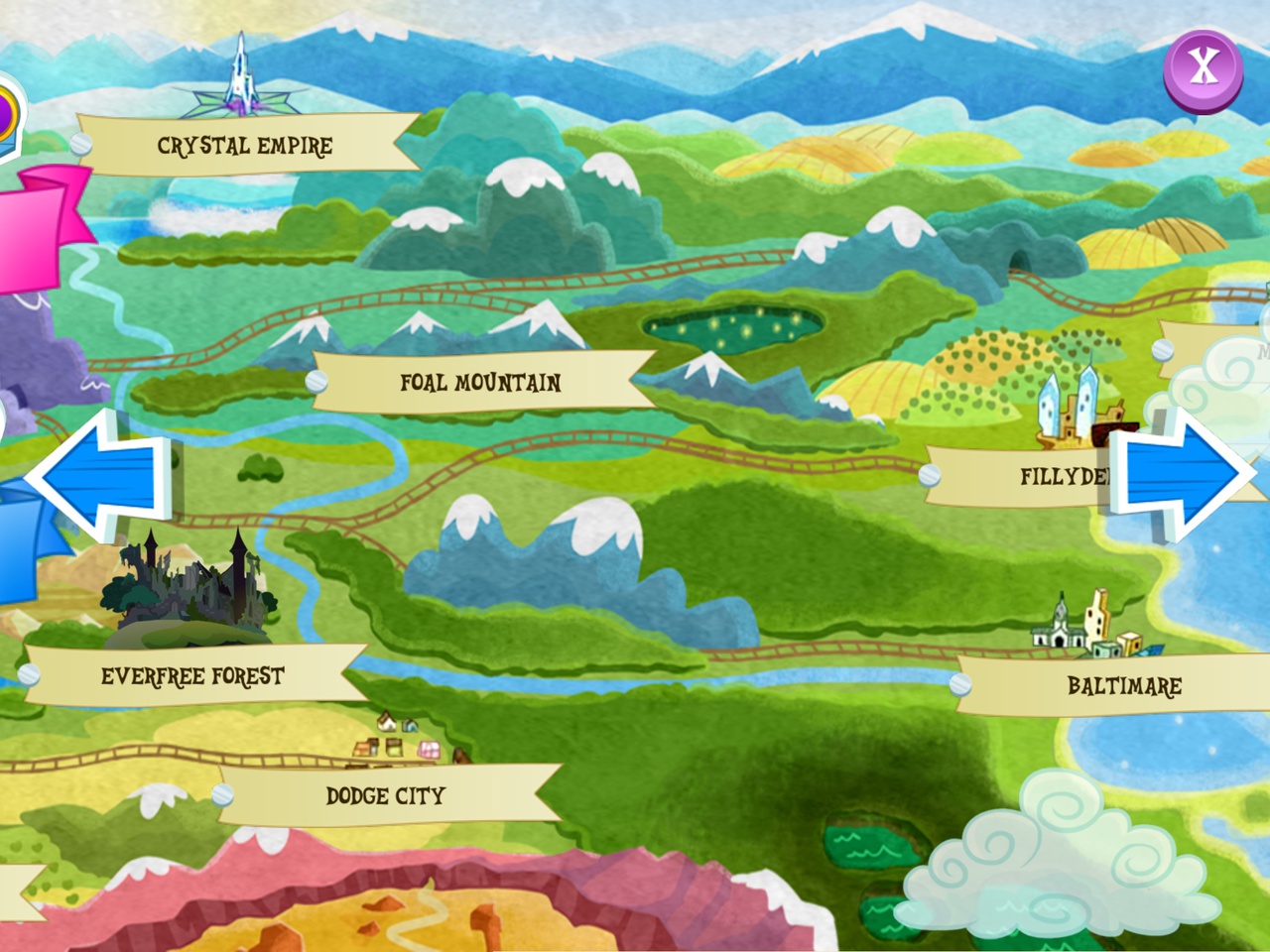
The situation has also taken an unexpected turn in the media, with the Ponyville Times publishing a series of investigative pieces on the history of the Appleloosa Cattle Commission’s route planning. The series revealed that the commission has previously faced criticism for similar detours in other regions, including a 2018 incident in Fillydelphia where a cattle drive through a residential area caused significant property damage. While the commission has acknowledged past mistakes, it has refused to commit to a comprehensive policy overhaul, citing budget constraints and regulatory hurdles.
As the legal battle unfolds, the community gardens in Ponyville remain in a state of limbo. Some plots have been temporarily abandoned, while others are being tested for soil recovery. A small group of volunteers, led by young gardener Thistle Whim, has begun experimenting with phytoremediation techniques to neutralize the contaminants. “We’re not giving up,” Whim said. “If we can heal the soil, we can prove that even in the face of corporate negligence, communities can fight back.”
The case has also reignited conversations about the role of local governance in protecting public spaces. In a recent editorial, the Ponyville Times argued that the incident underscores the need for greater transparency in how infrastructure projects are planned and approved. “The Appleloosa Cattle Commission’s decision to reroute the cattle drive without consulting the affected community was a clear violation of trust,” the editorial read. “If we don’t start holding these organizations to higher standards, we risk losing the ability to advocate for our own interests.”
As the legal and political battles continue, the fate of Pony, the community’s gardens, and the broader implications for Equestrian agriculture remain uncertain. For now, the people of Ponyville are left to navigate a complex web of environmental, economic, and ethical challenges, with the hope that their struggle will inspire a new era of accountability and collaboration. Whether the courts, corporations, or communities will ultimately prevail remains to be seen—but one thing is clear: the fight for the right to grow in harmony with progress is far from over.