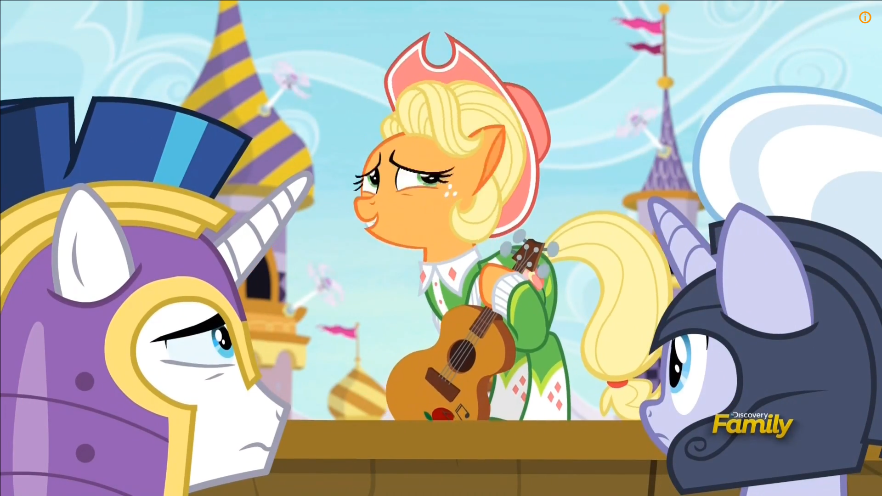
The Royal Guard’s top brass is under fire after a disastrous security operation in Manehattan left two civilians dead and a key district in chaos. The incident, which unfolded last Thursday during a routine “stability assessment” of the city’s financial district, has ignited fierce debate over the Guard’s readiness, transparency, and leadership. With the Manehattan Council demanding an independent review and public outrage mounting, the scandal threatens to upend the delicate balance of power in Canterlot’s elite circles.
The botched operation began when a squad of Royal Guard ponies, led by Colonel Dusk Stripe, was deployed to “monitor potential unrest” following recent protests over corporate tax reforms. Witnesses described a disorganized deployment: armored units arrived without clear directives, clashed with local law enforcement, and failed to secure a critical bridge after a suspicious package was discovered. The resulting confusion allowed a mob of protesters to seize control of the district, leading to the deaths of two civilians and widespread property damage.
“This wasn’t a failure of tactics—it was a failure of command,” said Sable Nightshade, a Manehattan-based investigative reporter who covered the incident. “The Guard showed up like they were playing a training exercise, not responding to a real crisis. There was no coordination, no backup plan. It was a disaster waiting to happen.”
The Royal Guard’s response has been equally contentious. In a rare public statement, General Iron Hoof, head of the Guard’s internal affairs division, called the operation “a tragic misstep” and vowed to “hold all parties accountable.” Yet critics argue the admission rings hollow.
“General Hoof’s statement is all talk and no action,” countered Copper Gauge, a former Guard logistics officer turned whistleblower. “They’re more concerned with protecting their own than fixing the system. If they’re really committed to reform, they’ll release the full incident report—right now.”
The incident has exposed deep fractures within the Royal Guard’s leadership. Colonel Dusk Stripe, the operation’s commander, is facing calls for resignation, with some accusing him of prioritizing political loyalty over public safety. Others, including retired General Starlight Glimmer, argue the blame should fall on systemic failures.
“Stripe’s a career officer, but he’s part of a culture that values hierarchy over competence,” said Glimmer, who served during the Crystal Empire’s unification. “The Guard has been too insulated for too long. This isn’t about one person—it’s about a whole institution that’s out of touch.”
The Manehattan Council has since demanded an independent inquiry, citing “a lack of transparency and accountability.” Councilor Ember Flint, a vocal critic of the Guard’s influence, called the operation “a slap in the face to every pony who trusts the Royal Guard to protect them.”
“This isn’t just about a bad day on the job,” Flint said. “It’s about a system that’s allowed to operate in the shadows for too long. If the Guard can’t handle a routine security detail, what does that say about their ability to protect the realm?”
The scandal has also reignited debates over the Royal Guard’s role in civilian affairs. While the Guard is constitutionally tasked with protecting the kingdom’s borders and royal interests, its involvement in domestic operations has grown increasingly controversial.
“Every time the Guard steps into a civilian crisis, it’s a reminder of how out of step they are with the people they’re supposed to serve,” said Penny Ledger, a Manehattan activist group leader. “They’re not here to help—they’re here to enforce the status quo.”
The situation has put pressure on Queen Celestia’s administration, which has long balanced the Guard’s power with the civilian government. With the Manehattan protests and ongoing tensions in the Dragon Lands, the monarchy faces a growing backlash over its reliance on the Guard for domestic stability.
Analysts suggest the crisis could lead to significant changes. Some speculate that the Guard’s leadership may be reshuffled, while others predict a broader push for civilian oversight.
“This is a tipping point,” said Rarity’s former business partner, Violet Seam. “The Guard’s days of operating behind closed doors are numbered. If they don’t reform, they’ll be replaced by something else—something less noble.”
As the investigation unfolds, one question looms over Equestria: Can a institution as storied as the Royal Guard adapt to the demands of a modern, diverse kingdom—or will it remain a relic of a bygone era? The answer may determine the future of safety, trust, and power in Equestria itself.