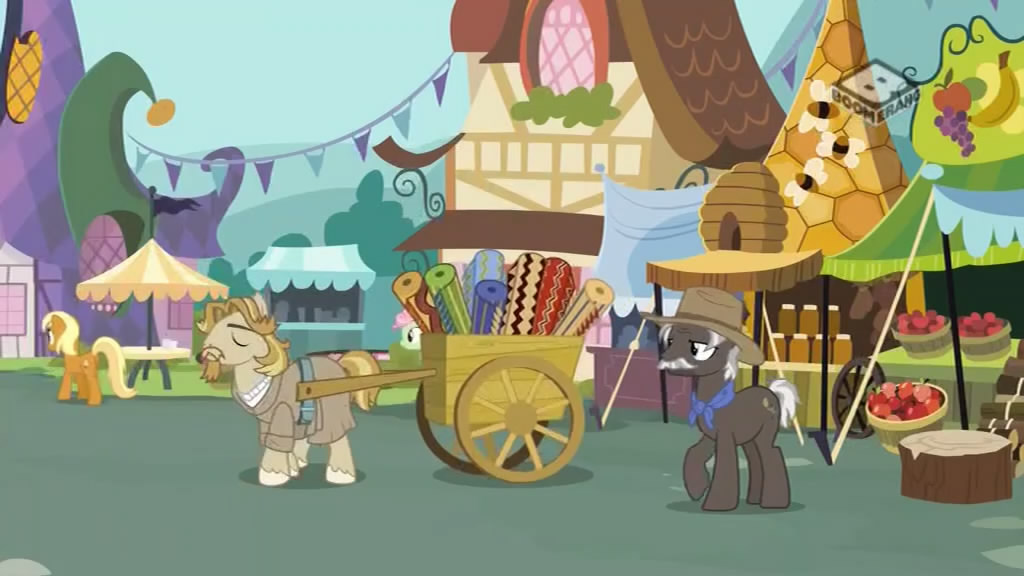
Ponyville’s iconic farmers market, a cornerstone of local commerce for decades, is facing a quiet crisis as stall fees soar, driving small business owners to the brink. Vendors say the market’s once-thriving stalls are now a financial burden, with rising costs forcing some to abandon their stalls entirely. With fewer participants, the market’s vibrant energy is dimming, raising concerns about the future of this vital community hub.
The market, located at the heart of Ponyville’s downtown, has long been a gathering place for ponies of all walks of life. But recent reports from vendors suggest the balance is shifting. “We’re not just paying for a stall—we’re paying for a lifeline,” said Daisy Bloom, a third-generation vegetable seller who’s been at the market for 15 years. “The fees have doubled in two years. I’m down to half my usual customers now.”
Bloom’s stall, nestled among rows of fresh produce and handmade crafts, is emblematic of the market’s struggle. Once bustling with buyers, her booth now sees fewer visitors, many of whom have turned to online marketplaces or cheaper alternatives. “The cost of staying here is no longer worth it,” she said. “I’ve had to cut hours, and I’m not sure how much longer I’ll be able to keep this going.”
The market’s management, however, maintains the fees are necessary to cover rising operational costs. Clover Margin, the market’s administrator, cited increased expenses for utilities, security, and infrastructure repairs. “We’re not just a place to sell goods—we’re a public space that requires maintenance,” Margin said. “The fees help us keep the market running for everyone.”
But vendors argue the financial burden is disproportionately affecting small businesses. “These fees are a tax on survival,” said Iron Press, a local economist and critic of the market’s policies. “While the management talks about costs, the reality is that small vendors are being priced out. This isn’t just about money—it’s about who gets to participate in the local economy.”
The issue has sparked debate among Ponyville’s business community. Some argue the market’s fees are a necessary investment in the town’s future, while others see them as a barrier to entry for new entrepreneurs. “The market needs to adapt,” said Windfall Margin, a young baker who recently opened a stall after years of waiting. “If the fees stay high, we’ll lose the diversity that makes this place special.”
The market’s decline is already evident. According to a recent survey by the Ponyville Chamber of Commerce, 12% of vendors have left the market in the past year, with many citing rising costs as the primary reason. The number of stalls has also decreased by nearly 20%, leading to longer lines for remaining vendors and fewer options for shoppers.
For some, the market’s transformation is a symbol of broader economic challenges in Ponyville. “This isn’t just about a farmers market—it’s about the future of small businesses in a town that’s struggling to keep up,” said Penny Ledger, a longtime resident and community activist. “If we can’t support our local vendors, what does that say about our economy?”
The situation has also drawn attention from local officials. Mayor Applebloom, who has long championed small business growth, recently announced a review of the market’s fee structure. However, critics argue the process has been slow and lacks transparency. “We need real solutions, not just promises,” said Sable Nightshade, a vocal opponent of the current fees. “If the market is going to survive, it needs to be fair to everyone, not just the big names.”
The market’s fate remains uncertain. While some vendors are exploring alternative strategies—such as partnering with online platforms or relocating to smaller, cheaper spaces—others are preparing to leave altogether. “I’ve been here for 20 years,” said Bloom. “I don’t know if I’ll be here for another 10.”
As Ponyville grapples with the implications of this shift, the question remains: Can the farmers market adapt to the changing economic landscape, or is it a relic of a bygone era? For now, the stalls sit empty in the morning sun, a silent testament to the challenges facing small businesses in a town that once thrived on community and commerce.
---
Key Takeaways:
- Stall fees at Ponyville’s farmers market have doubled in two years, driving some vendors out of business.
- Vendors argue the fees are a barrier to entry, while management cites rising operational costs.
- Local officials are reviewing the fee structure, but critics say the process lacks urgency.
- The market’s decline reflects broader economic struggles in Ponyville, raising concerns about small business survival.
- With fewer stalls and fewer vendors, the market’s role as a community hub is in question.
Next Steps:
- The Ponyville Chamber of Commerce will release a report on market viability by mid-2024.
- Council members are expected to debate fee adjustments in the coming weeks.
- Advocacy groups are pushing for alternative funding models to support small vendors.
The story of Ponyville’s farmers market is far from over—but whether it can reclaim its former glory depends on the choices made in the coming months.