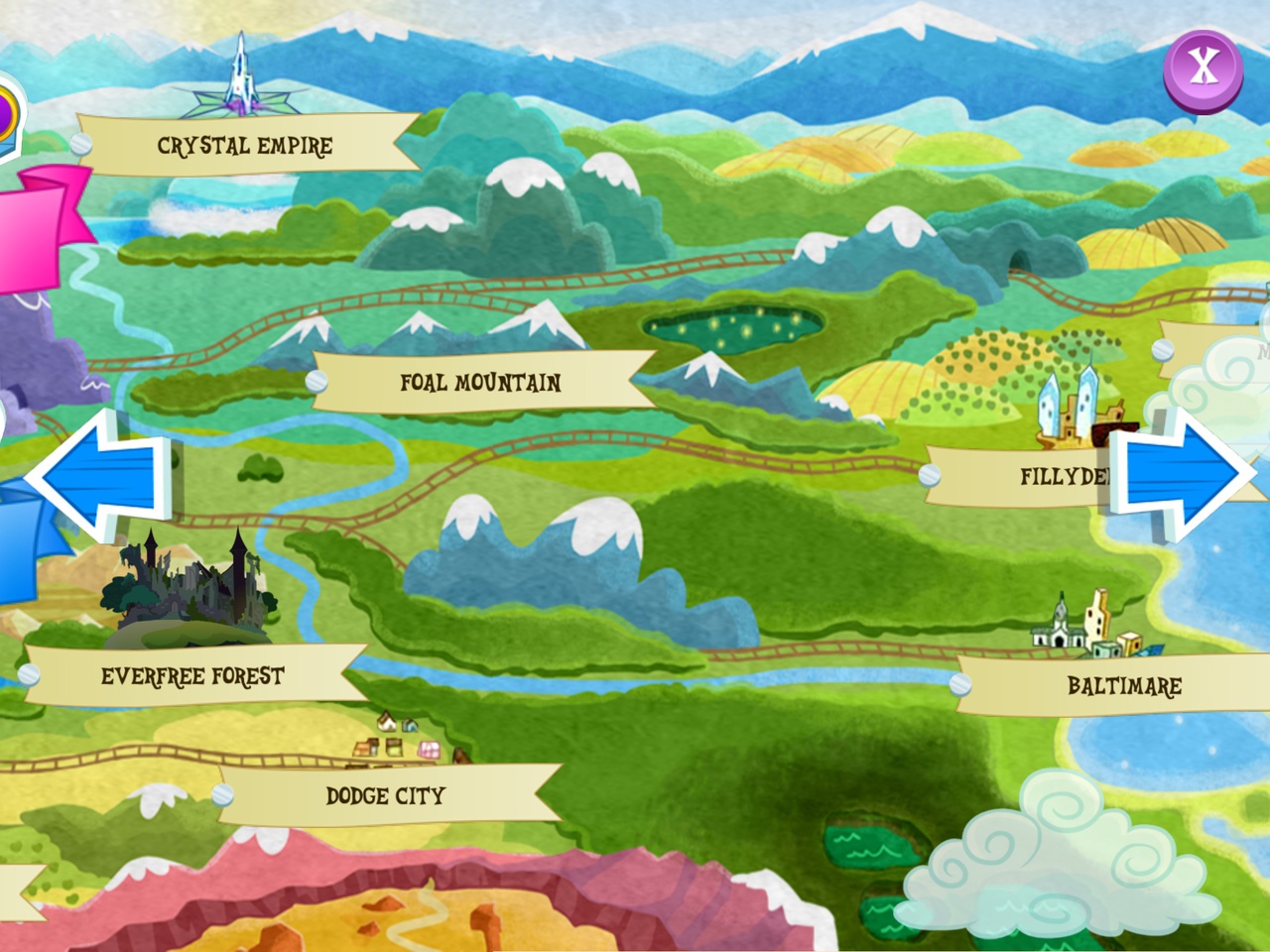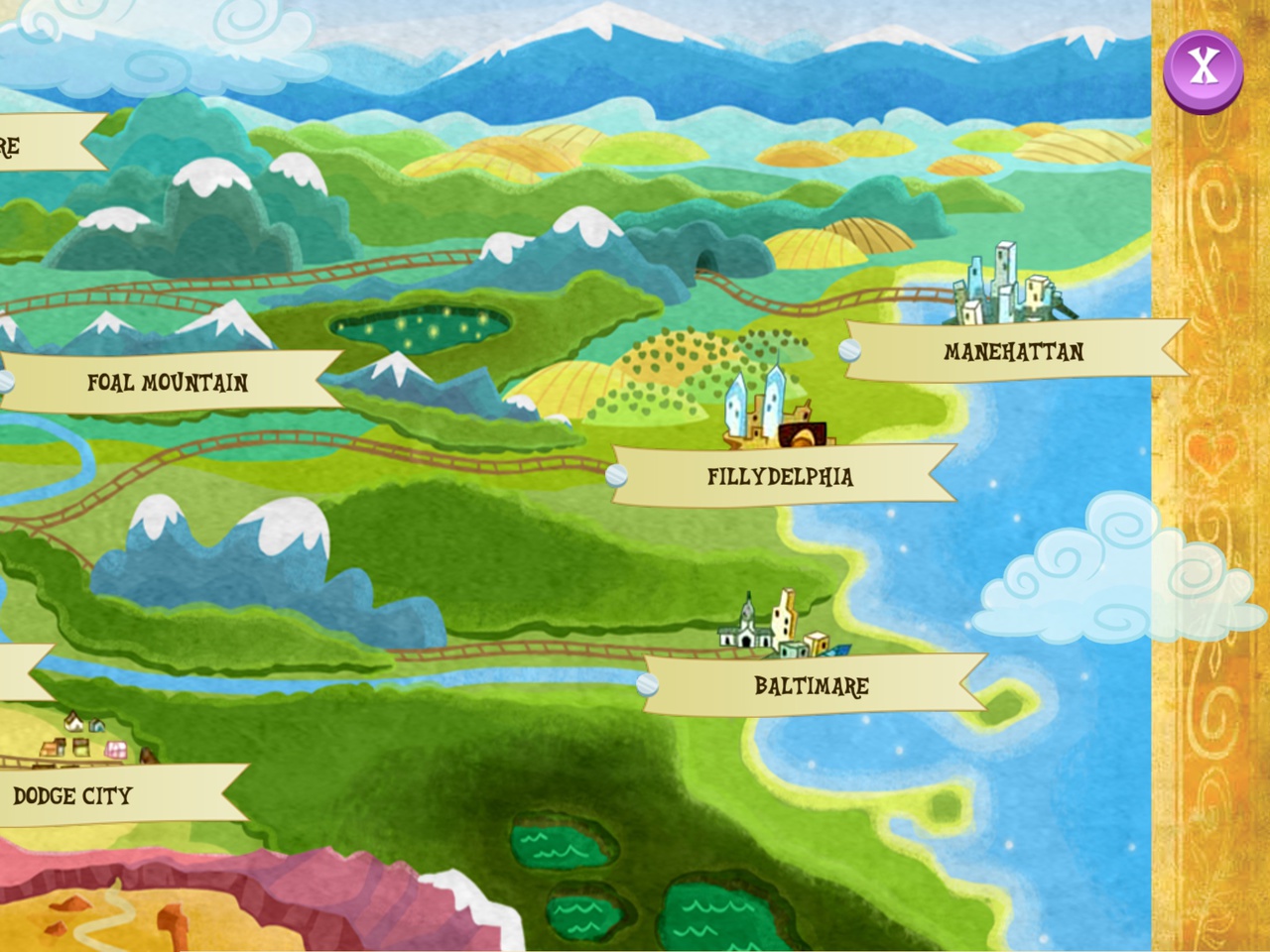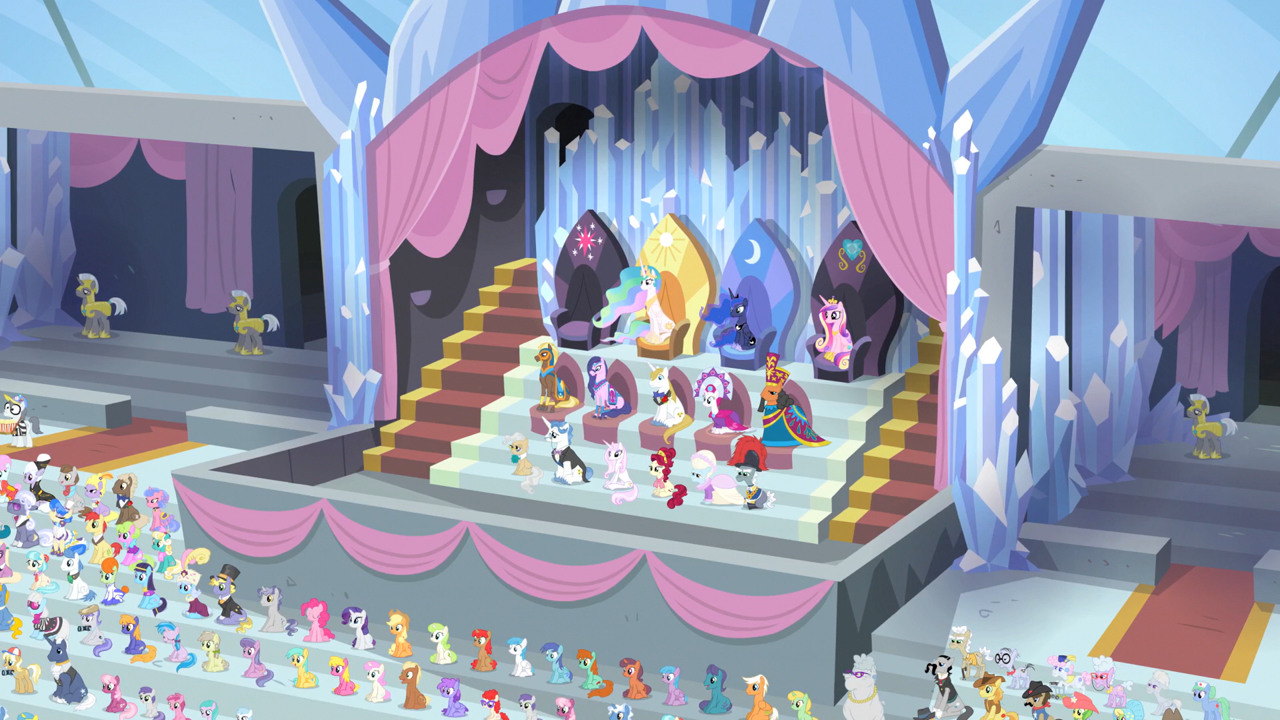
The recall vote against Mayor Mare has officially been scheduled for next week, as tensions over a controversial zoning agreement with Fillydelphia developers reach a boiling point. The deal, which would allow the construction of a sprawling industrial complex on the outskirts of Ponyville, has divided residents, business leaders, and city officials. With public hearings set to begin this week, the city’s political landscape is on edge as citizens grapple with the promise of economic growth versus the threat to their neighborhoods.
The proposed development, led by the Fillydelphia-based firm Iron Hoof Industries, would convert 40 acres of farmland into a hub for manufacturing and logistics. Proponents argue the project will create hundreds of jobs and boost Ponyville’s tax base, while opponents warn of environmental degradation, rising property values, and the erosion of rural character. The mayor’s office has defended the deal as a “necessary step for progress,” but critics say it reflects a broader pattern of corporate influence over local governance.
“This isn’t just about zoning—it’s about who gets to decide the future of our town,” said Daisy Clover, a lifelong Ponyville resident and local farmer. “We’ve watched our community grow, and now we’re being told to make way for a factory that will pollute our air and drive up rents. That’s not progress—it’s a betrayal.”
Clover’s concerns echo those of many in the agricultural sector, which has long been a cornerstone of Ponyville’s economy. The proposed industrial zone would cut through the heart of the town’s farmland, potentially displacing dozens of small-scale farmers. “My family has worked these fields for three generations,” said Clover. “If this deal passes, we’ll be forced to sell or leave. That’s not just an economic loss—it’s a cultural one.”
On the other side of the debate, business leaders and city officials have rallied behind the project, citing its potential to revitalize Ponyville’s struggling economy. “We can’t ignore the reality that Ponyville’s population is shrinking, and our tax base is shrinking with it,” said Iron Hoof Industries’ representative, Spike Thistle. “This deal is about creating jobs, not just for ponies in the city, but for the entire region. If we don’t act now, we’ll be left behind.”
Thistle’s argument has found support among some local entrepreneurs, who see the development as a chance to attract investment and modernize Ponyville’s infrastructure. “The city needs to adapt,” said Mayor Mare’s chief of staff, Penny Ledger. “This isn’t just about a few farms—it’s about positioning Ponyville to compete in a changing economy. We can’t afford to be left in the dust.”
But for many residents, the stakes are personal. The zoning agreement was fast-tracked through the city council last month, bypassing several key environmental reviews and drawing sharp criticism from the public works department. “This wasn’t a transparent process,” said Councilmember Breezy Pines, a vocal critic of the deal. “The mayor pushed this through without proper consultation, and now we’re stuck with a decision that will affect every pony in this city.”
The recall vote, which requires a simple majority of registered voters, has already drawn thousands of signatures from concerned citizens. Activists have launched a grassroots campaign to gather support, organizing town halls and protest marches in the weeks leading up to the vote. Meanwhile, the mayor’s office has doubled down on its defense of the deal, with Mayor Mare herself appearing on multiple local news channels to tout the economic benefits.
“I understand the fears of the people,” Mare said during a recent press conference. “But we can’t let fear dictate our future. This development will bring real, tangible benefits to Ponyville. If the voters don’t trust me to make these tough decisions, then I’ll step aside. But I won’t let this city stagnate.”
However, the mayor’s assurances have done little to quell the growing unrest. A recent poll conducted by the Ponyville Tribune found that 62% of respondents oppose the zoning deal, with 58% expressing support for the recall vote. The numbers have only grown as more details about the project’s environmental impact have surfaced.
One of the most contentious aspects of the deal is its potential effect on Ponyville’s water supply. Environmental watchdogs have raised alarms about the risk of industrial runoff contaminating the town’s aquifers, a concern that has been echoed by the city’s own water department. “We’ve already seen a 12% increase in water contamination in the past year,” said Water Commissioner Dusk Ripple. “If this factory is built, we’re looking at a public health crisis.”
The controversy has also sparked broader questions about the role of corporate influence in local politics. Critics argue that the mayor’s close ties to the Iron Hoof Industries have created a conflict of interest, with several city officials having financial stakes in the project. “This isn’t just about a zoning decision—it’s about who controls Ponyville’s future,” said activist Tangle Fern. “If we don’t hold our leaders accountable, we’ll lose more than just farmland—we’ll lose our democracy.”
As the recall vote approaches, the fate of Ponyville hangs in the balance. The decision will not only determine the city’s economic direction but also set a precedent for how local governments navigate the tension between growth and preservation. For now, the streets of Ponyville are filled with uncertainty, as ponies from all walks of life prepare to cast their votes—and their hopes—for the future.
What remains unclear is whether the people of Ponyville can reclaim control of their city, or if the forces of progress will continue to reshape their world in ways they can’t stop.