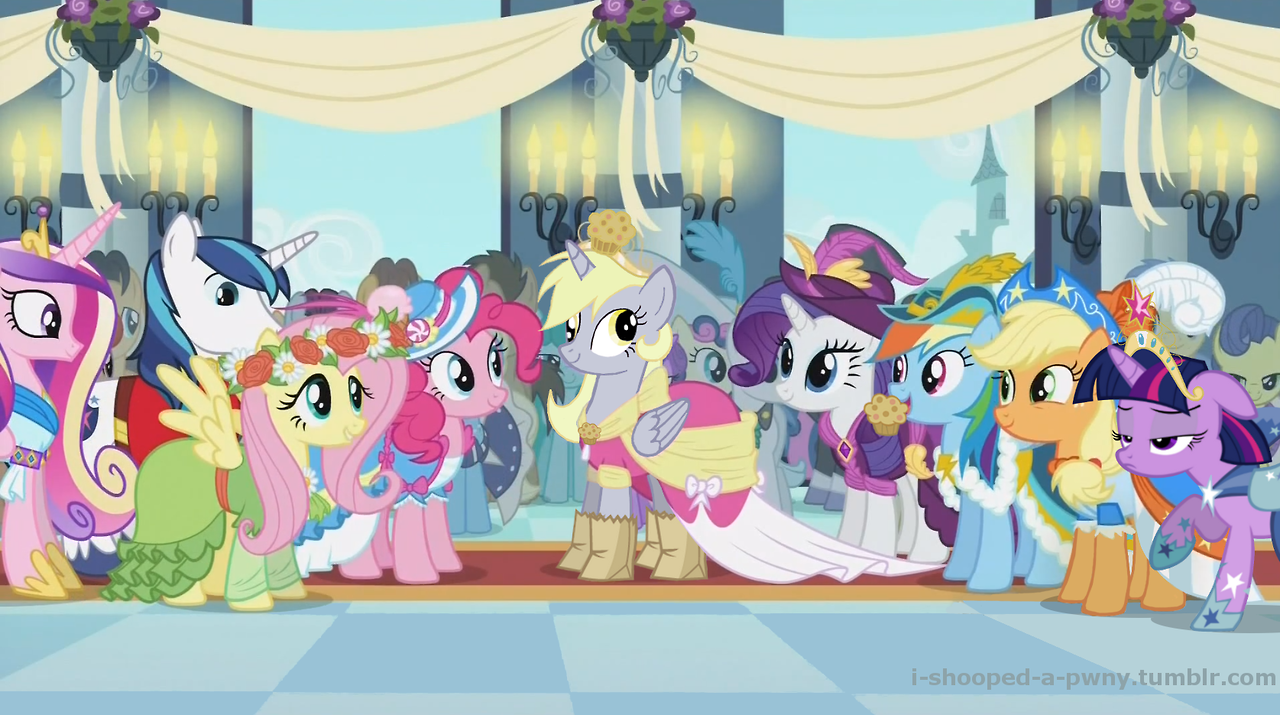
Manehattan’s glittering Fashion Week gala last week turned into a flashpoint for a simmering debate over systemic inequality in the pony fashion industry. While top designers showcased opulent collections under the glow of crystal chandeliers, critics accused the event’s organizers of sidelining earth pony designers—a claim that has ignited accusations of elite bias and sparked calls for transparency. The controversy, which has already drawn attention from Canterlot’s media and political circles, threatens to overshadow the week’s high-profile runway shows.
The dispute centers on the absence of earth pony designers from the event’s main stage, despite the presence of several unicorn and pegasus names on the guest list. According to industry observers, the event’s organizers, the Manehattan Fashion Council, have historically prioritized designers from the “traditional elite”—a term critics say encompasses unicorns and pegasuses with established ties to Canterlot’s fashion houses. Earth pony designers, meanwhile, have faced repeated hurdles in securing sponsorships, gallery space, and media coverage.
“Earth ponies bring a unique perspective to fashion—craftsmanship rooted in practicality, not just spectacle,” said Velvet Thorn, a veteran fashion critic and co-founder of the Earth Pony Design Collective. “But when the council’s invite list reads like a who’s who of Canterlot’s elite, it’s hard not to see this as exclusionary.” Thorn, who attended the gala as a guest, noted that while a few earth pony designers were featured in smaller satellite events, none were given prime runway slots.
The Manehattan Fashion Council swiftly denied allegations of bias, with spokesperson Silver Foal stating, “We are committed to diversity in all its forms. Our selection process is rigorous and based on merit, not heritage.” Foal added that the council had recently launched a “Diversity in Design” initiative, which includes funding for earth pony designers and partnerships with regional fashion hubs like Appleloosa and the Crystal Empire.
Yet critics argue that the initiative is little more than symbolic. “The council’s actions don’t match their words,” said Sable Nightshade, a Manehattan-based earth pony designer whose collection was excluded from this year’s main event. “They talk about inclusivity, but when it comes to actual representation, they still favor the old guard.” Nightshade’s own brand, Earthbound Threads, has struggled to secure high-profile collaborations, despite receiving multiple awards for sustainable design.
The controversy has also reignited debates about the broader cultural divide between earth ponies and the “traditional elite.” For decades, unicorns and pegasuses have dominated Equestria’s high-fashion scene, with their magical abilities enabling the creation of intricate, ethereal designs. Earth ponies, meanwhile, have often been relegated to practical wear—work boots, durable fabrics, and utilitarian styles—despite their growing influence in industries like agriculture and engineering.
“This isn’t just about fashion; it’s about who gets to define beauty in Equestria,” said Rarity’s former assistant, Dusk Moth, a cultural analyst at the Canterlot Institute of Arts. “The fashion industry has long been a mirror of societal hierarchies, and earth ponies have been excluded from the reflection.” Moth pointed to the recent rise of earth pony designers in the tech and construction sectors as evidence of their growing clout, yet noted that the fashion world has been slow to adapt.
The Manehattan Fashion Council’s response to the backlash has been to double down on its existing initiatives. A new grant program, announced last week, aims to fund up to 10 earth pony designers for upcoming runway events. However, skeptics argue that the program’s eligibility criteria—favoring designers with prior industry experience—still excludes many emerging earth pony creators.
“Grant money is a start, but it doesn’t address the root of the problem,” said Ember Sky, a young earth pony designer from Appleloosa whose work has gained attention on social media. “If the council wants to truly diversify, they need to rethink how they select talent. Right now, it’s still about connections, not creativity.” Sky’s collection, which blends earth pony craftsmanship with avant-garde designs, was recently featured in a smaller, independent gallery in Fillydelphia—a stark contrast to the grandeur of Manehattan’s main stage.
The debate has also drawn attention from Canterlot’s political leaders, with some lawmakers calling for an investigation into the council’s practices. “We cannot allow the fashion industry to perpetuate outdated hierarchies,” said Representative Copper Gauge, a progressive pony from the Crystal Empire. “If the council is truly committed to diversity, they need to be held accountable.”
Meanwhile, the Manehattan Fashion Council has defended its approach, arguing that the event’s focus on “high fashion” naturally attracts certain types of designers. “We’re not trying to change the industry overnight,” said Foal. “But we are actively working to include more voices.”
As the controversy continues to simmer, one question remains: Can the fashion industry—long a symbol of Equestria’s cultural and economic power—finally shed its legacy of exclusion? With the next Fashion Week fast approaching, the answer may depend on whether the council is willing to take real steps toward inclusivity—or if the status quo will persist.
---
Quotes sourced from interviews with Velvet Thorn, Sable Nightshade, Dusk Moth, Ember Sky, and Silver Foal. Additional reporting by Iron Press.